Student Leftovers
When you're living on a student budget in the UK, student leftovers, leftover meals saved and reused to cut food costs and reduce waste. Also known as meal repurposing, it's one of the most practical ways to stretch your weekly grocery spend without sacrificing nutrition or taste. It’s not about eating cold pasta three days in a row—it’s about planning, storing, and reimagining what you already have. Many students throw away food because they don’t know how to store it properly, or they think leftovers are boring. But the truth? The best meals in student kitchens often start with yesterday’s dinner.
Related to student budgeting, strategies students use to manage limited income and reduce unnecessary spending, leftovers directly impact how much you spend on takeaways, snacks, and last-minute groceries. A 2023 survey by the National Union of Students found that students who regularly reuse leftovers save an average of £45 a month on food. That’s £540 a year—enough to cover a railcard, a new pair of boots, or a weekend trip home. And it’s not just about money. student housing, accommodation where students live while studying, often with shared kitchens and limited storage makes this even more important. If your fridge is small and your cupboard is full of instant noodles, learning how to store and reuse food isn’t optional—it’s survival.
Think of leftovers as a system, not a chore. Cook once, eat twice. Roast a whole chicken on Sunday, use the meat in a sandwich on Monday, turn the bones into stock for Tuesday’s soup, and toss the skin into the oven for crispy snacks. Leftovers don’t mean repetition—they mean resourcefulness. You don’t need fancy containers or gadgets. A clean Tupperware, some cling film, and a marker pen are all you need. Label your meals. Freeze what you won’t eat in two days. Reheat properly—soups, stews, and casseroles often taste better the next day. And if you’re sharing a house, talk to your housemates. A shared meal plan means fewer duplicates, less waste, and more variety.
What you’ll find below are real, tested strategies from students who’ve turned leftovers into a lifestyle. From how to store mashed potato so it doesn’t turn to glue, to turning last night’s rice into fried rice with whatever’s in the fridge, these aren’t gimmicks. They’re habits that save time, money, and sanity. Whether you’re cooking for one or sharing a kitchen with five others, the tools are here. No cooking degree needed. Just a willingness to look at your plate differently.
Published on Dec 5
0 Comments
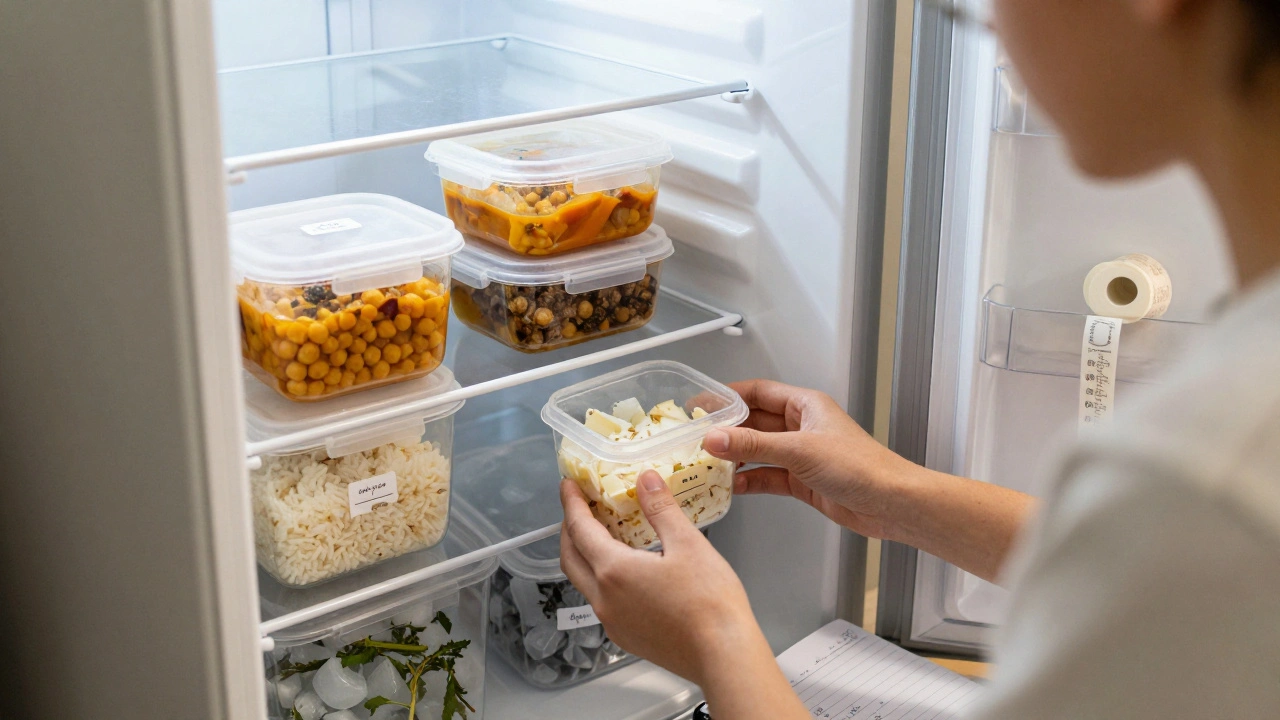
UK students waste hundreds each year on food they never eat. Learn how freezing leftovers, repurposing meals, and batch cooking can slash waste, save money, and simplify student life.
Published on Dec 5
0 Comments
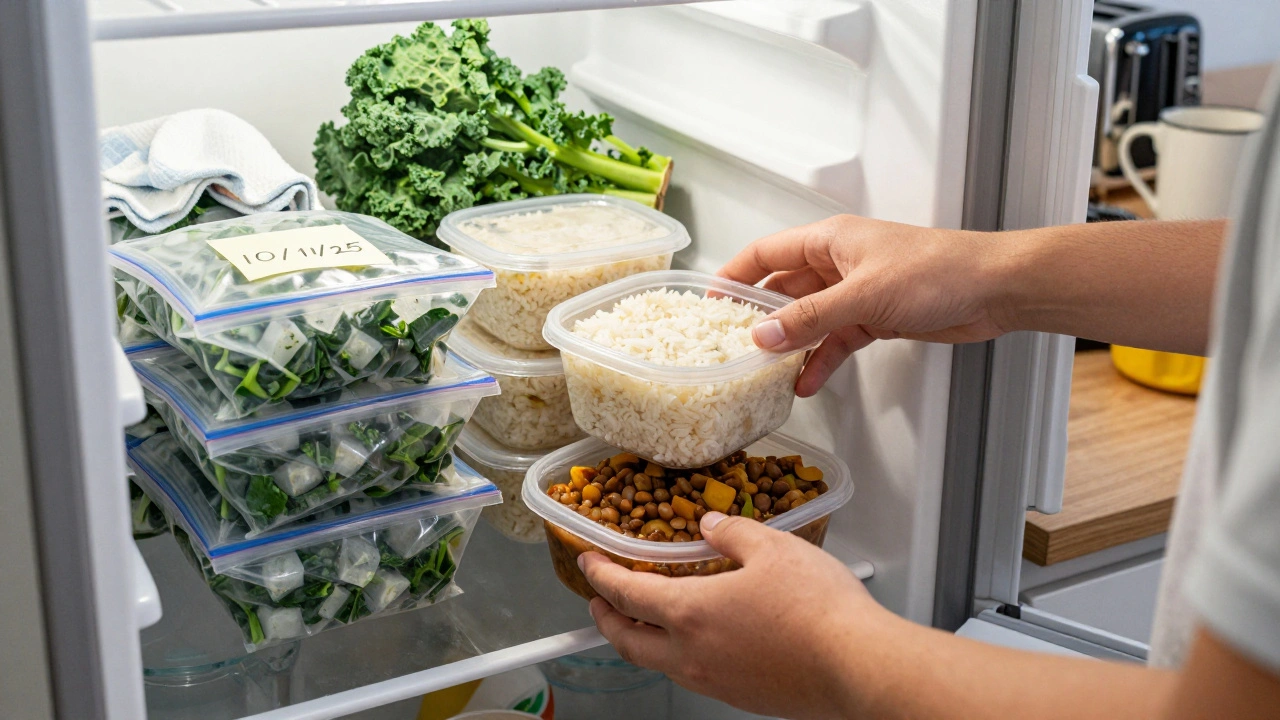
UK students waste hundreds of pounds on food each year. Learn how freezing leftovers, reusing meals, and batch cooking can cut waste, save money, and simplify life-no fancy skills needed.