Every year, UK students throw away an average of £380 worth of food. That’s not just cash down the drain-it’s meals skipped, stress piled up, and guilt hanging around after every trip to the bin. The good news? You don’t need fancy gadgets or a chef’s degree to cut that number in half. Simple habits-freezing what you don’t eat right away, turning last night’s dinner into today’s lunch, and cooking in batches-can change how you eat, spend, and feel about food.
Why Freezing Food Is Your Secret Weapon
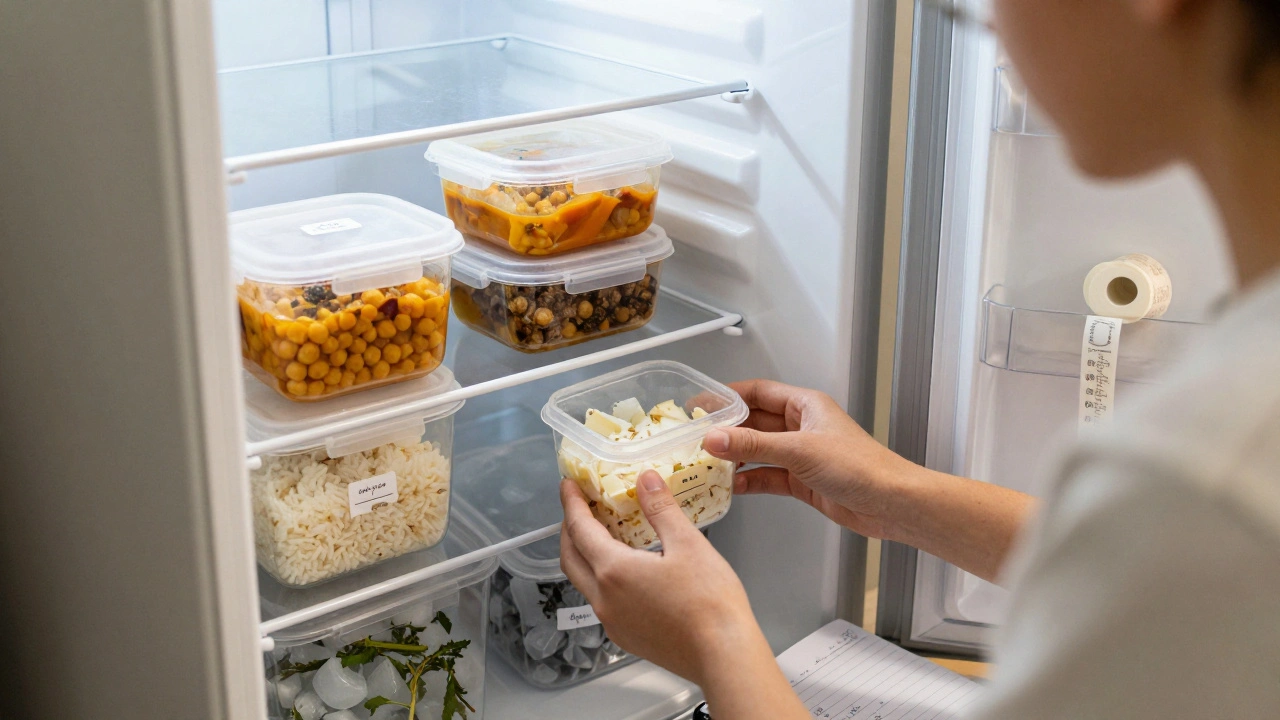
Freezing isn’t just for ice cream and frozen pizzas. It’s the most effective way to stop food from going bad before you get to it. Think about it: a bag of spinach wilts in three days. But if you chop it, blanch it for 30 seconds, then freeze it in portions, it lasts six months. Same goes for cooked rice, soups, stews, and even mashed potatoes.
A 2024 study by the University of Reading found that students who froze leftovers reduced their weekly food waste by 62%. The key? Label everything. Write the name and date on a piece of tape or use reusable labels. No one remembers what that mystery blob in the freezer is after two weeks. A simple "Chickpea Curry - Dec 1" saves you from tossing it out.
Here’s what freezes well:
- Cooked grains (rice, quinoa, barley)
- Soups and stews (cool first, then freeze in portion-sized containers)
- Chopped herbs (freeze in olive oil in ice cube trays)
- Boiled eggs (peel them first-they’re easier to grab later)
- Baked goods (breads, muffins, pancakes)
Things to avoid freezing: lettuce, cucumbers, and creamy sauces-they turn watery or separate. Stick to sturdy, cooked, or chopped foods.
Leftovers Don’t Have to Be Boring
Leftovers aren’t a punishment. They’re raw material. Last night’s roasted veggies? Toss them into a scrambled egg or wrap them in a tortilla with hummus. Leftover pasta? Mix it with a fried egg and a splash of soy sauce for a quick stir-fry. Chicken breast from Sunday dinner? Shred it and pile it on a salad with canned beans and a lime dressing.
One student in Manchester started a "Leftover Challenge"-every Friday, she made a meal using only what was left in her fridge. She didn’t buy anything new for three weeks. Her grocery bill dropped by 40%. Her meals got more creative. And she stopped feeling guilty about the half-eaten curry in the back of the fridge.
Here’s a simple formula to turn leftovers into new meals:
- Start with a base: rice, pasta, bread, or greens
- Add protein: chicken, beans, tofu, eggs
- Toss in veggies: roasted, steamed, or raw
- Drizzle with sauce: soy, pesto, yogurt dressing, hot sauce
- Top with crunch: nuts, seeds, or crispy onions
That’s it. No recipe needed. Just mix and match what you have. The goal isn’t gourmet-it’s not wasting.
Batch Cooking: Cook Once, Eat Three Times
Batch cooking isn’t about spending your whole Sunday in the kitchen. It’s about doing a little extra now so you don’t have to do anything later. Spend 90 minutes on a Sunday and you’ve got meals for the whole week.
Here’s a realistic batch-cooking plan for a student on a budget:
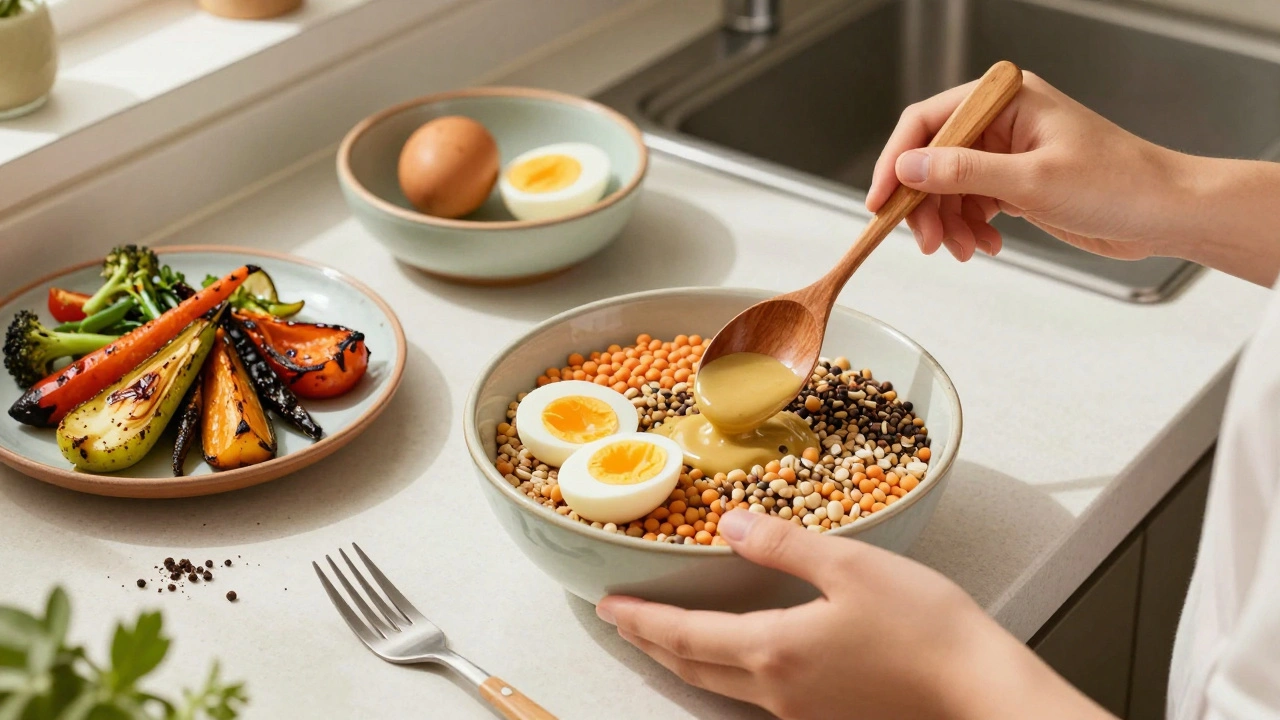
- 1 large pot of lentil dal or bean chili (freezes well)
- 2 trays of roasted vegetables (sweet potatoes, broccoli, onions)
- 1 batch of hard-boiled eggs (peeled and stored in water)
- 1 bag of cooked brown rice or quinoa
That’s four meals, easily. Mix the lentils with rice for a bowl. Add roasted veggies and an egg for lunch. Use the rice as a base for stir-fries during the week. You’re not just saving time-you’re saving money. A 2025 survey by Student Money Advice found that students who batch cooked saved £15-£25 a week on food compared to those who ate out or bought ready meals.
Pro tip: Use your oven efficiently. Roast veggies and chicken at the same time. While the oven’s on, bake a tray of muffins or sweet potato wedges. One heat source, multiple meals.
What to Buy (and What to Skip)
Not all groceries are created equal when it comes to waste. Some items spoil fast. Others last forever. Focus on buying things that give you flexibility.
Buy these often:
- Dried beans and lentils (cheap, store for months, cook in batches)
- Oats (lasts a year, makes breakfast for a week)
- Frozen vegetables (just as nutritious as fresh, no spoilage)
- Onions, garlic, potatoes (keep for weeks in a cool, dark place)
- Canned tomatoes, beans, and tuna (shelf-stable, easy to add to anything)
Buy these sparingly:
- Fresh herbs (unless you’re using them daily-freeze instead)
- Leafy greens (buy small bags, use within 2 days)
- Soft fruits (berries, bananas-eat them first or freeze them)
- Pre-cut veggies (more expensive, spoil faster)
And skip the single-serve snacks. That bag of microwave popcorn? It’s £2.50 and lasts one meal. A bag of plain popcorn kernels? 50p and makes 10 meals.
Track Your Waste-Just for a Week
Most students don’t realize how much they waste because they don’t see it. For one week, keep a small notebook next to your bin. Every time you toss food, write it down: "Half a loaf of bread," "Leftover pasta," "Spoiled milk."
At the end of the week, look at the list. You’ll see patterns. Maybe you always buy milk but forget to use it. Or you buy too many tomatoes and let them rot. That’s your starting point.
One student in Glasgow tracked her waste for seven days. She found she was throwing out £12 worth of food every week. She started freezing bread, using veggie scraps for stock, and only buying milk when she ran out. Within a month, her waste dropped to £2 a week.
It’s Not About Perfection
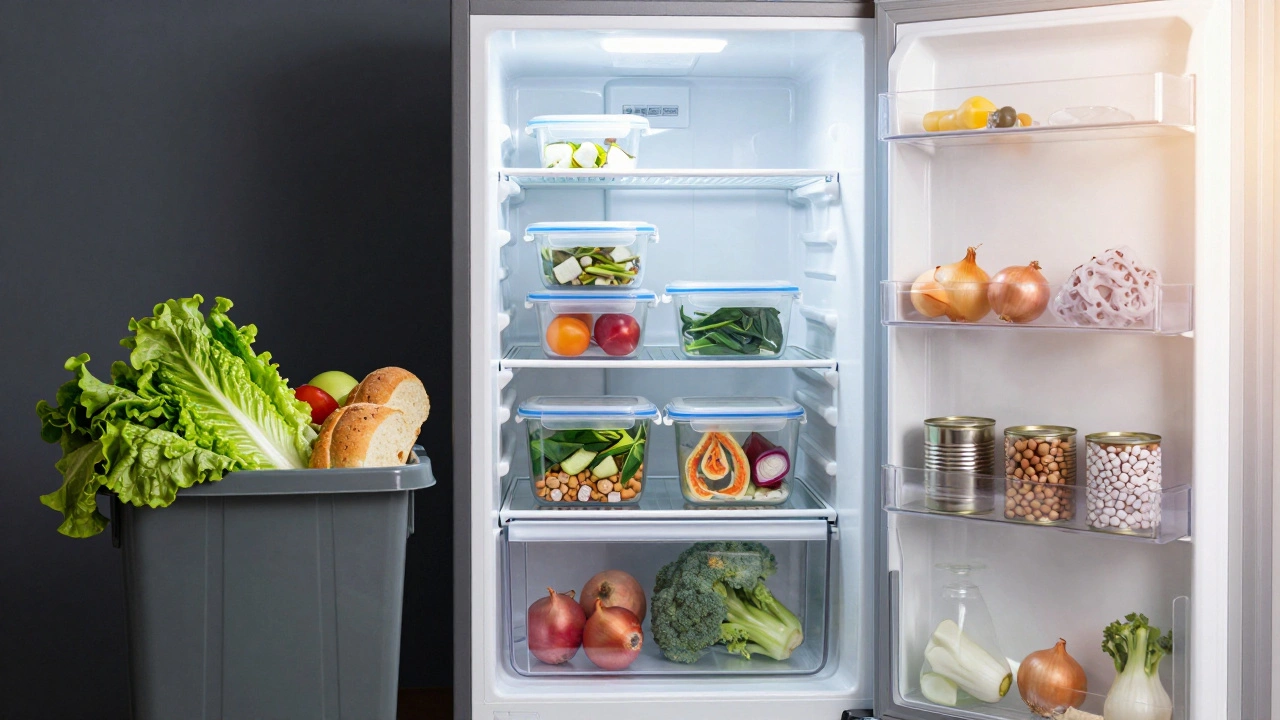
You won’t nail this on day one. Maybe you forget to freeze something. Maybe you eat out one night and waste a sandwich. That’s okay. Progress isn’t linear. The goal isn’t zero waste-it’s less waste than before.
Start with one habit. Freeze your leftovers this week. Next week, try one batch-cooked meal. Then, tackle one food you always throw away. Small steps add up. And every meal you save from the bin is money back in your pocket, stress taken off your shoulders, and a small win for the planet.
Can I freeze cooked rice?
Yes, cooked rice freezes well. Cool it quickly after cooking, then portion it into containers or freezer bags. When you’re ready to use it, reheat it in the microwave with a splash of water to keep it from drying out. Just don’t leave cooked rice at room temperature for more than an hour-it can grow harmful bacteria.
How long do leftovers last in the fridge?
Most cooked leftovers stay safe in the fridge for 3 to 4 days. After that, bacteria can start to grow even if it looks and smells fine. If you won’t eat it within four days, freeze it. Label everything with the date so you don’t forget.
What’s the cheapest way to cook in bulk?
Lentils, beans, rice, and oats are the most affordable base ingredients. Buy them in bulk from discount stores or ethnic markets. Cook a big pot of lentil soup or bean chili, then freeze it in portions. Add vegetables you have on hand. You can make a full meal for under £1 per serving.
Is frozen food less healthy than fresh?
No. Frozen vegetables and fruits are often picked and frozen at peak ripeness, locking in nutrients. In many cases, they’re more nutritious than fresh produce that’s been sitting on shelves for days. The same goes for frozen fish and meats. Don’t avoid frozen just because it’s not "fresh."
How do I stop myself from buying too much food?
Make a list before you shop-and stick to it. Only buy what you know you’ll use. Check your fridge and freezer first. If you already have rice, beans, or veggies, don’t buy more. Also, avoid shopping when you’re hungry. You’ll buy more than you need. And try buying smaller portions of perishables until you get better at estimating how much you eat.
What to Do Next
Start tomorrow. Take one leftover meal from your fridge and freeze it. Write the date on it. That’s it. Next week, pick one recipe you can cook in bulk. Make double. Freeze half. You don’t need to change everything at once. Just change one thing. And then another. Food waste doesn’t disappear overnight-but it does disappear when you start acting.