Freezing Food: How UK Students Save Money and Reduce Waste
When you freezing food, the process of preserving cooked or raw meals at low temperatures to extend shelf life. Also known as food preservation, it’s one of the simplest, cheapest ways students in the UK stretch their budgets and avoid throwing away spoiled groceries. You don’t need fancy gear—just a working freezer, some containers, and a little planning. It’s not magic. It’s just smart.
Most students buy food in bulk because it’s cheaper, but then they panic when it goes bad. A bag of spinach, half a loaf of bread, leftover pasta—these aren’t trash. They’re future meals. meal prep for students, planning and cooking meals ahead of time to save time and money during busy weeks works best when you freeze the extras. Cook a big pot of curry on Sunday? Freeze it in portion-sized containers. Got extra rice? Cool it fast, then freeze it. You’ll thank yourself when you’re too tired to cook at 11 p.m. before an exam.
And it’s not just about saving cash. The UK throws away 9.5 million tonnes of food every year, and students are part of that problem. Freezing food cuts that waste dramatically. You’re not just saving £5 on a takeaway—you’re saving the planet, one frozen portion at a time. food waste UK, the problem of edible food being discarded by households, especially among young people living on tight budgets is real, but freezing is one of the most effective fixes.
Some students think freezing ruins texture or flavor. That’s usually because they’re doing it wrong. Freeze food fast, label everything with the date, and use airtight containers. Soups, stews, cooked meats, even mashed potatoes and sauces freeze beautifully. Bread? Slice it first, then freeze. You’ll pull out a slice and toast it like fresh. Bananas turning brown? Peel them, freeze them, and blend them into smoothies later. Eggs? Crack them into a container, whisk lightly, and freeze. You’ve just turned waste into a breakfast hack.
And here’s the kicker: freezing lets you buy seasonal food in bulk when it’s cheapest. Frozen berries are cheaper than fresh in winter. Frozen peas are always cheaper. Frozen fish fillets? Often better quality than fresh, because they’re flash-frozen right after catch. You don’t need to eat the same thing every day. With a well-organized freezer, you’ve got a pantry that lasts months.
It’s not about being perfect. It’s about being practical. You’re not a chef. You’re a student. You have deadlines, part-time shifts, and maybe a shared kitchen with five other people. Freezing food doesn’t ask for much—just a little time upfront. And it gives back a lot: fewer shopping trips, less stress, fewer last-minute takeaways, and more money in your pocket.
Below, you’ll find real advice from students who’ve turned their freezers into their best financial tool. From how to label containers so you don’t end up with mystery blobs, to which foods absolutely shouldn’t be frozen, to how to use frozen meals without feeling like you’re eating camp food. These aren’t theory guides. These are the hacks that actually work in a student flat with a tiny freezer and even tinier time.
Published on Dec 5
0 Comments
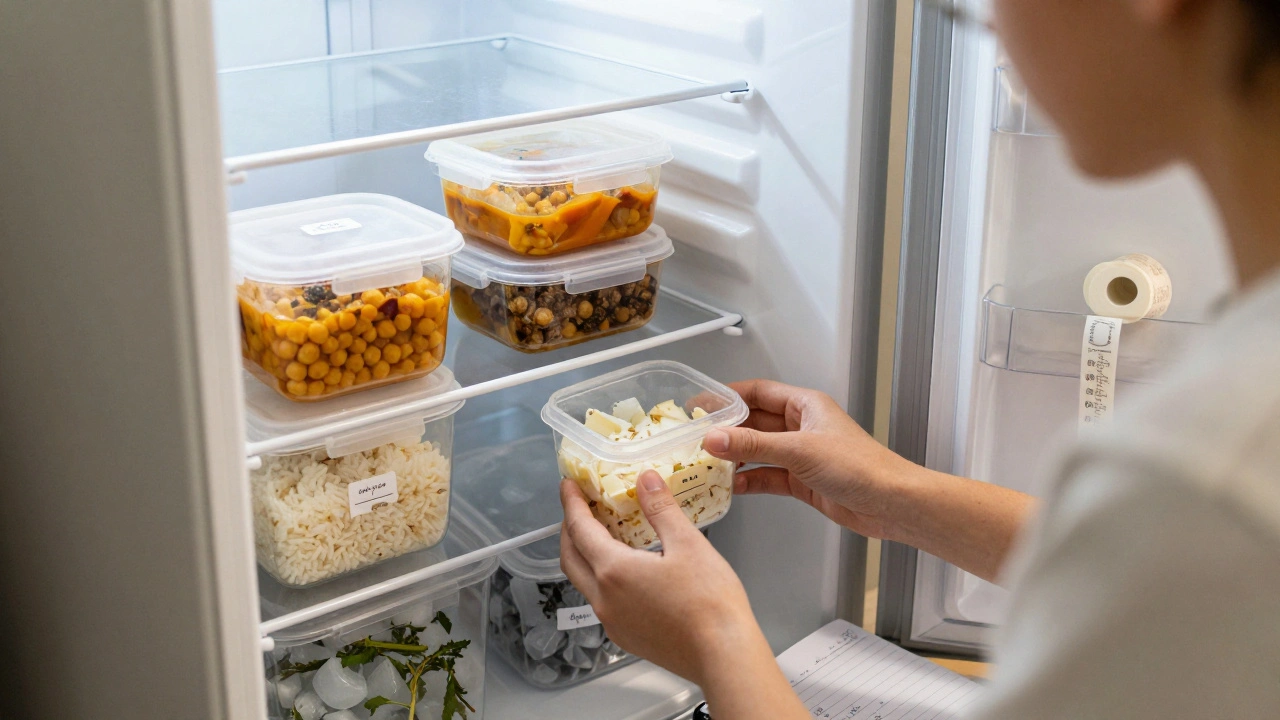
UK students waste hundreds each year on food they never eat. Learn how freezing leftovers, repurposing meals, and batch cooking can slash waste, save money, and simplify student life.
Published on Dec 5
0 Comments
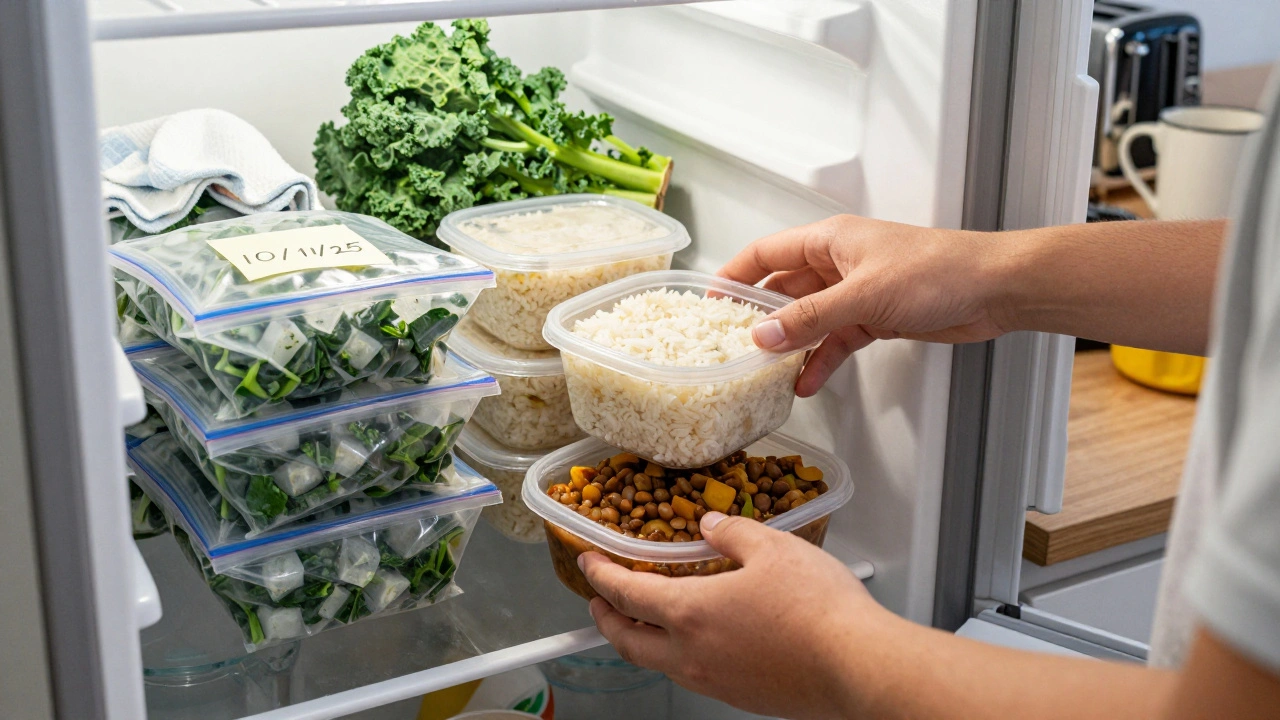
UK students waste hundreds of pounds on food each year. Learn how freezing leftovers, reusing meals, and batch cooking can cut waste, save money, and simplify life-no fancy skills needed.