Food Waste Reduction: How UK Students Can Save Money and Help the Planet
When you throw away half a sandwich, a wilting lettuce, or that tub of yogurt past its date, you’re not just tossing food—you’re throwing away money, time, and resources. Food waste reduction, the practice of minimizing uneaten or spoiled food to save money and reduce environmental harm. Also known as reducing household food loss, it’s one of the easiest ways for students to cut monthly expenses without giving up anything they love. In the UK, the average person throws away £700 worth of food each year. For students living on a tight budget, that’s a rent payment, a train ticket home, or a month’s worth of groceries gone. The good news? You don’t need to be a zero-waste guru to make a difference. Small, smart changes in how you shop, store, and use food add up fast.
Meal planning, writing out what you’ll eat before you shop. Also known as weekly food scheduling, it’s the single most effective tool for cutting waste. Most students buy food on impulse—grabbing snacks, bulk deals, or whatever looks good at the store. But without a plan, you end up with five avocados, three packets of pasta, and no idea what to cook. Start simple: pick three meals for the week, write a list, and stick to it. Leftovers? Turn them into new meals. Last night’s rice becomes fried rice. Stale bread turns into croutons. A tired carrot goes into soup. UK student housing, shared flats and dorm rooms where food often gets forgotten in fridges. Also known as student kitchens, these spaces are where waste happens—but also where solutions are easiest to put in place. Label leftovers. Use clear containers. Keep a whiteboard with what’s about to spoil. These tiny habits stop food from vanishing behind other stuff.
And it’s not just about saving cash. Food waste in landfills produces methane, a greenhouse gas 25 times more powerful than CO2. When you reduce waste, you’re helping fight climate change—without buying expensive eco-products. You don’t need compost bins or reusable silicone bags. You need awareness, a little organization, and the willingness to use what you already have. Many students in the UK already do this without even calling it "sustainability." They reheat last night’s curry. They freeze bread. They use veggie scraps for stock. These aren’t fancy tricks—they’re survival skills. And they work.
Below, you’ll find real, tested tips from students who’ve cut their food bills by 30% or more. You’ll see how to use your fridge better, how to shop smarter on a budget, and how to turn scraps into meals instead of trash. No fluff. No guilt. Just practical steps that fit into a busy student life—whether you’re cooking in a shared kitchen, living in halls, or surviving on takeout between lectures.
Published on Dec 5
0 Comments
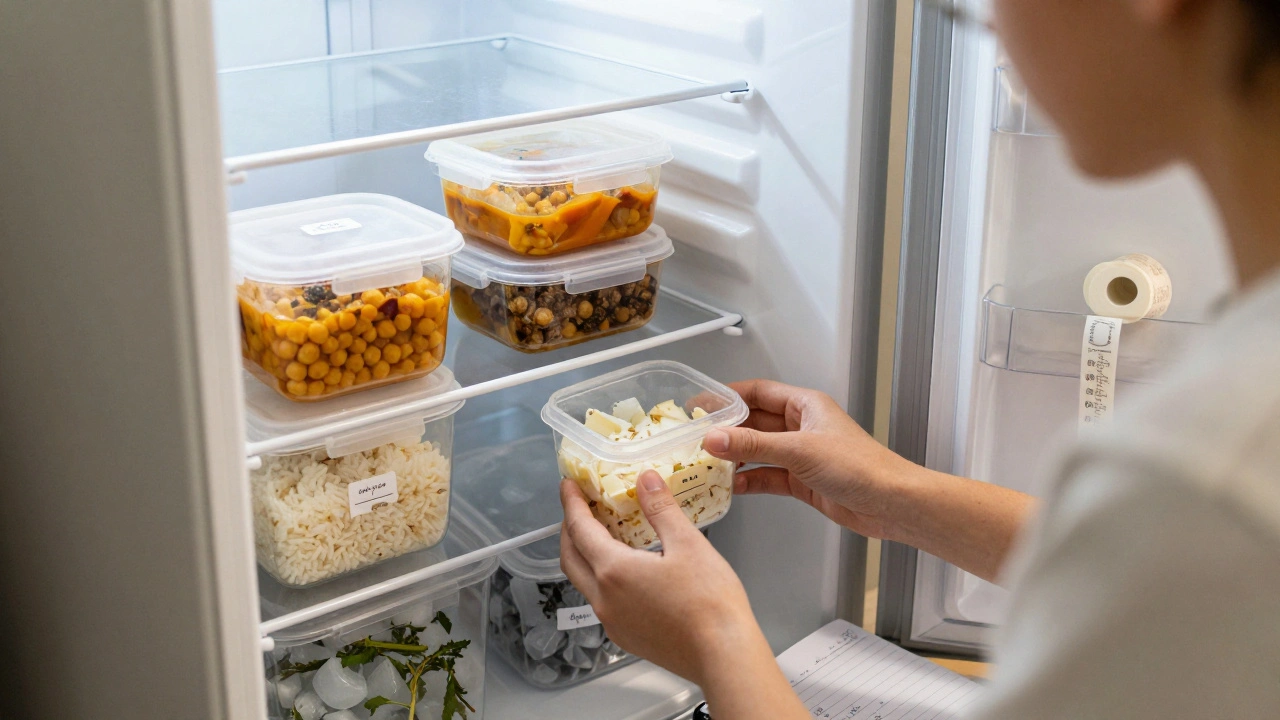
UK students waste hundreds each year on food they never eat. Learn how freezing leftovers, repurposing meals, and batch cooking can slash waste, save money, and simplify student life.
Published on Dec 5
0 Comments
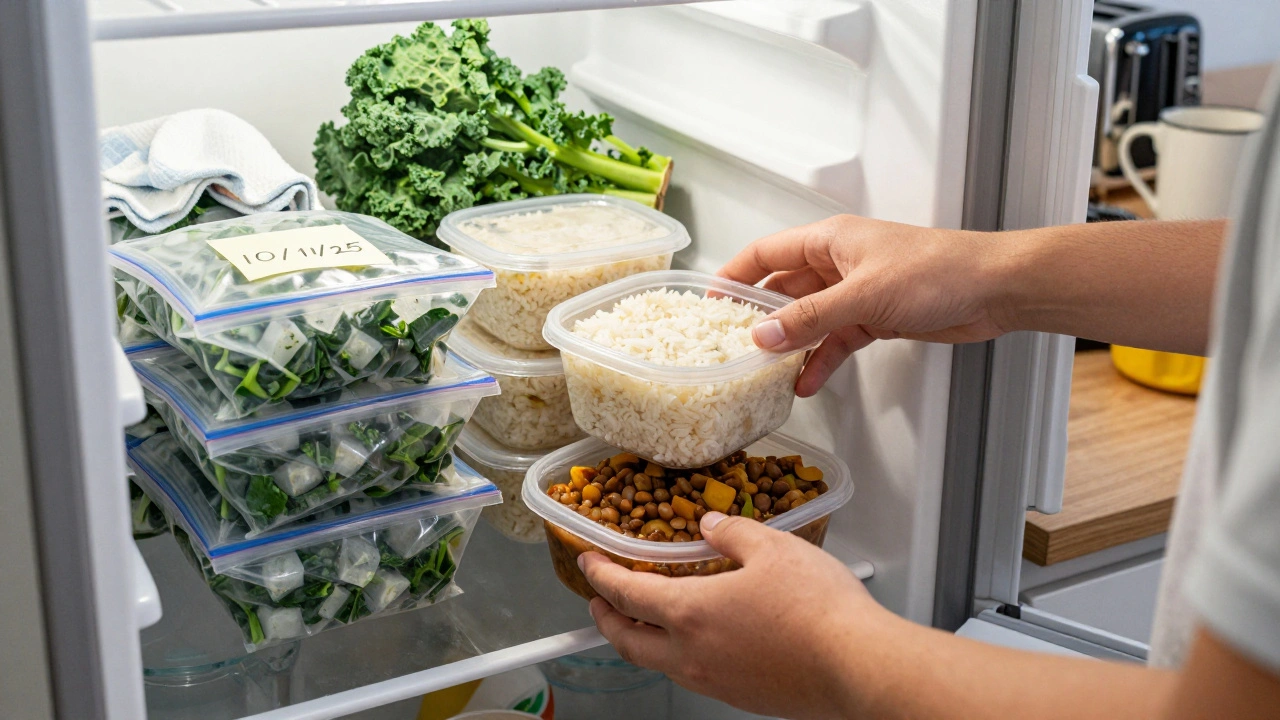
UK students waste hundreds of pounds on food each year. Learn how freezing leftovers, reusing meals, and batch cooking can cut waste, save money, and simplify life-no fancy skills needed.