University Halls UK: What They Are, How They Work, and What Students Really Need to Know
When you start university in the UK, university halls, on-campus housing provided by the university for students, often as part of a fixed-term contract. Also known as halls of residence, they’re usually the first home away from home for new students—especially international ones. These aren’t just dorm rooms. They’re shared kitchens, communal lounges, laundry rooms, and sometimes even on-site staff who help with issues from broken heaters to feeling lonely. And while they’re not always the cheapest option, they’re often the easiest to get into, especially if you’re applying for the first time.
Most university halls, on-campus housing provided by the university for students, often as part of a fixed-term contract come in two main types: catered and self-catered. Catered means meals are included—usually breakfast and dinner, five days a week. Self-catered means you cook for yourself, which gives you control over what you eat and when, but also means you’re responsible for shopping and cleaning. Rent typically includes utilities like gas, electricity, and water, plus Wi-Fi. That’s a big deal because outside halls, you’re on your own with bills, and those can spike fast. Many students don’t realize that in private rentals, you might pay £100 extra a month just for electricity in winter. In halls, it’s usually baked in.
Contracts are usually tied to the academic year—around 40 weeks for most universities. That’s less than a full year, which saves money compared to private flats that often require 12-month leases. But here’s the catch: you can’t always break the contract early. If you leave mid-year, you’re still on the hook for rent. And while some halls let you swap rooms or move to a different building, it’s not guaranteed. You also need to know your rights. Landlords (even university ones) can’t just walk in. They need notice. And if your room has mold, a broken door, or no hot water, you’re entitled to repairs—fast. The university’s accommodation office isn’t there to make your life harder; they’re there to fix things when they go wrong.
Location matters more than you think. Halls right on campus mean you’re five minutes from lectures, the library, and study groups. But halls on the edge of town might be cheaper—and you’ll need to factor in bus fares and travel time. Some students think they’re saving money by choosing a distant hall, but if you’re spending £30 a week on buses, that adds up fast. Check the bus routes. See if your university offers free or discounted student travel passes. And if you’re moving from abroad, know this: most halls have 24/7 security, key fobs, and CCTV. That’s not luxury—it’s safety. Private rentals? Not always.
Living with strangers sounds scary, but it’s how most UK students make their first real friends. Shared kitchens become social hubs. Late-night pasta runs, study marathons, and awkward first meetings turn into lasting connections. Some halls even run events—movie nights, cooking classes, quiz nights—just to help people bond. It’s not just housing. It’s your starter community.
Below, you’ll find real guides from students who’ve been there. From how to deal with noisy neighbors and pest problems in halls, to understanding water meters and utility bills when you’re on a fixed budget. You’ll see how to handle rent increases, what to pack before moving in, and how to get your deposit back without a fight. These aren’t theoretical tips. They’re from people who lived it—same as you.
Published on Nov 25
0 Comments
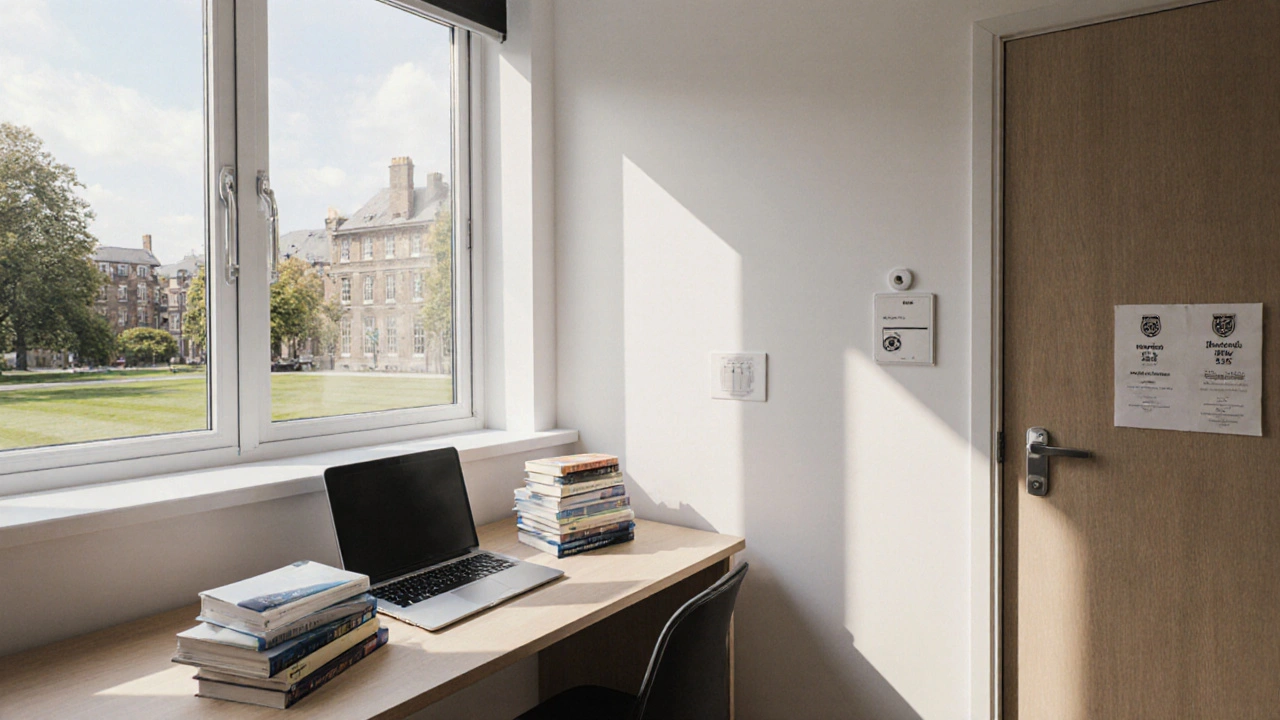
Find the best postgraduate accommodation in the UK with clear breakdowns of university halls, private rentals, and real costs in 2025. Learn what works, what to avoid, and how to save money.