Old Exams: Where to Find Them and How to Use Them for Better Grades
When you’re preparing for a tough exam, old exams, previous years’ test papers used by students to practice and understand exam formats. Also known as past papers, they’re not just relics—they’re your clearest window into what your professor actually tests. Most students treat them like optional extras. The ones who ace their exams treat them like a cheat code.
Universities in the UK don’t always hand out old exams for free, but they’re out there. Your student union, departmental noticeboards, and even Facebook groups for your course often have them. Some departments upload them to Moodle or Blackboard under "revision resources." Others hide them behind a login—but if you ask your tutor directly, you’ll be surprised how often they’ll send you a link. Don’t wait until the week before the exam. Start collecting them as soon as you know the module code.
Using old exams isn’t about memorizing answers. It’s about spotting patterns. Look at how questions are worded. Notice which topics show up every year. See how marks are split—does the essay get 70% of the points? Are multiple-choice questions trickier than they look? You’ll start to see what your professor cares about, and that’s half the battle. One student in Manchester used five years of past papers to predict three out of four essay topics on her final exam. She didn’t guess. She analyzed.
And don’t forget the exam preparation, the process of using past papers and study techniques to build confidence and skill before a test. Practicing under timed conditions is the only way to know if you can finish on time. Try printing a paper, setting a timer, and sitting at your desk like it’s the real thing. No phone. No notes. Just you and the questions. After three tries, you’ll know if you’re ready—or if you need to dig deeper into a topic.
Some students think old exams are only useful for STEM courses. That’s not true. Law students use them to see how case law is tested. History students spot recurring themes in essay prompts. Even creative writing modules often reuse question structures. The format might change, but the way professors test understanding? That stays the same.
And here’s the thing: if you’re an international student, old exams are your lifeline. They show you how UK grading works—what "critical analysis" really means, how much detail is expected, and why "just listing facts" won’t cut it. You won’t find that in textbooks.
There are also study resources, tools and materials students use to reinforce learning and prepare for assessments that pair well with old exams. Flashcards for definitions, group revision sessions where you quiz each other using past questions, even YouTube videos that walk through solutions. But none of it works unless you start with the real thing—the actual exams your peers took before you.
You don’t need to buy expensive revision guides or sign up for paid prep courses. The most powerful tool you have is already sitting in your university’s archives. You just need to find it, use it, and treat it like the gold mine it is.
Below, you’ll find real guides from students who’ve cracked the system—how to track down old exams, how to turn them into a study plan, and how to avoid the mistakes that cost others grades. No fluff. Just what works.
Published on Dec 4
0 Comments
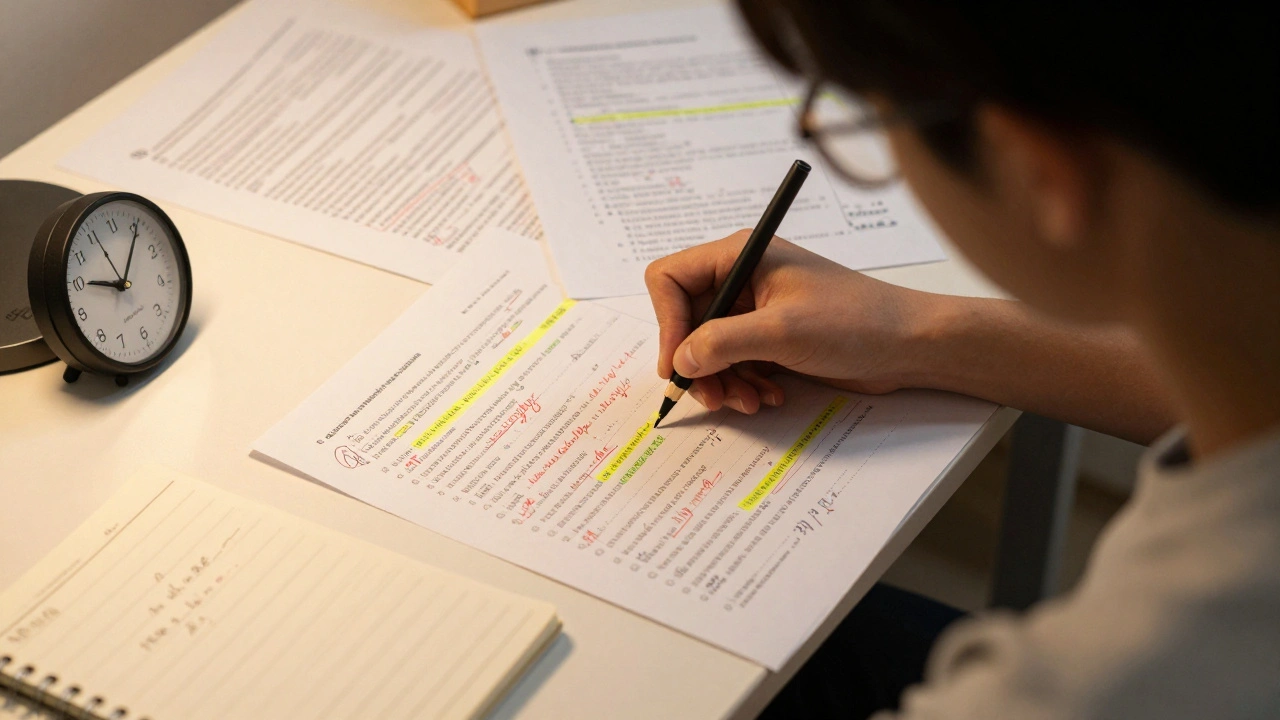
Past papers and practice questions are the most effective way to prepare for exams. Learn how to use old exams to understand question patterns, improve timing, and boost your score with real strategies that work.