Mice in Student Rooms: How to Deal with Rodents in UK Student Housing
When you find mice in student rooms, small rodents that invade shared or rented housing, often due to poor sealing or food storage. Also known as house mice, they’re not just a nuisance—they’re a health risk and a landlord’s headache. You didn’t sign up for this when you moved into that cheap flat near campus. But if you’re seeing droppings, hearing scratching in the walls, or finding chewed packaging, you’re not alone. Thousands of UK students deal with the same problem every year, especially in older buildings with gaps around pipes, broken windows, or shared kitchens.
These little critters don’t just eat your snacks—they carry bacteria, contaminate food, and can trigger allergies. Worse, they multiply fast. One female mouse can have up to 12 babies every three weeks. That’s not a horror story—it’s biology. And if your accommodation doesn’t fix the issue quickly, you might be dealing with them for months. Landlords in the UK are legally required to keep properties pest-free, but many don’t act until students complain loudly. So knowing your rights and how to prove an infestation matters.
What’s really behind this? It’s usually a mix of old buildings, late-night snacks left out, and students who don’t realize how easily mice get in. A crumb under the fridge, an open bag of pasta, or a gap behind the boiler can be a welcome mat. And if you’re in a house with five other people, someone’s always leaving food out. It’s not about blame—it’s about fixing the system. You don’t need to call an expensive exterminator right away. Simple steps like sealing entry points, using steel wool in gaps, storing food in airtight containers, and keeping the kitchen spotless can make a huge difference.
Some students try traps or repellents, but many of those are useless—or worse, inhumane. Ultrasonic devices? They don’t work. Mint oil sprays? Temporary at best. The real solution is combining prevention with action: clean thoroughly, block access, and report it to your landlord with photos and dates. If they ignore you, contact your student union or local council’s environmental health team. They can step in if the property is unsafe.
And while you’re at it, think about what else might be connected. Water meters in student housing? They’re often in the same old buildings where mice sneak in through damp pipes. Utility bills? A leaky sink or cracked wall can be both a water problem and a mouse highway. Even your student GP registration matters—if you’re getting sick from rodent exposure, you need to know where to go for help. This isn’t just about mice. It’s about how student housing works, what you’re entitled to, and how to protect your health without paying extra.
You’ll find real stories and practical fixes below—from students who cleared out infestations on a budget, to guides on what to say to your landlord, to checklists for sealing off entry points. No fluff. No scare tactics. Just what actually works when you’re living on a student budget in a place that’s seen better days.
Published on Nov 24
0 Comments
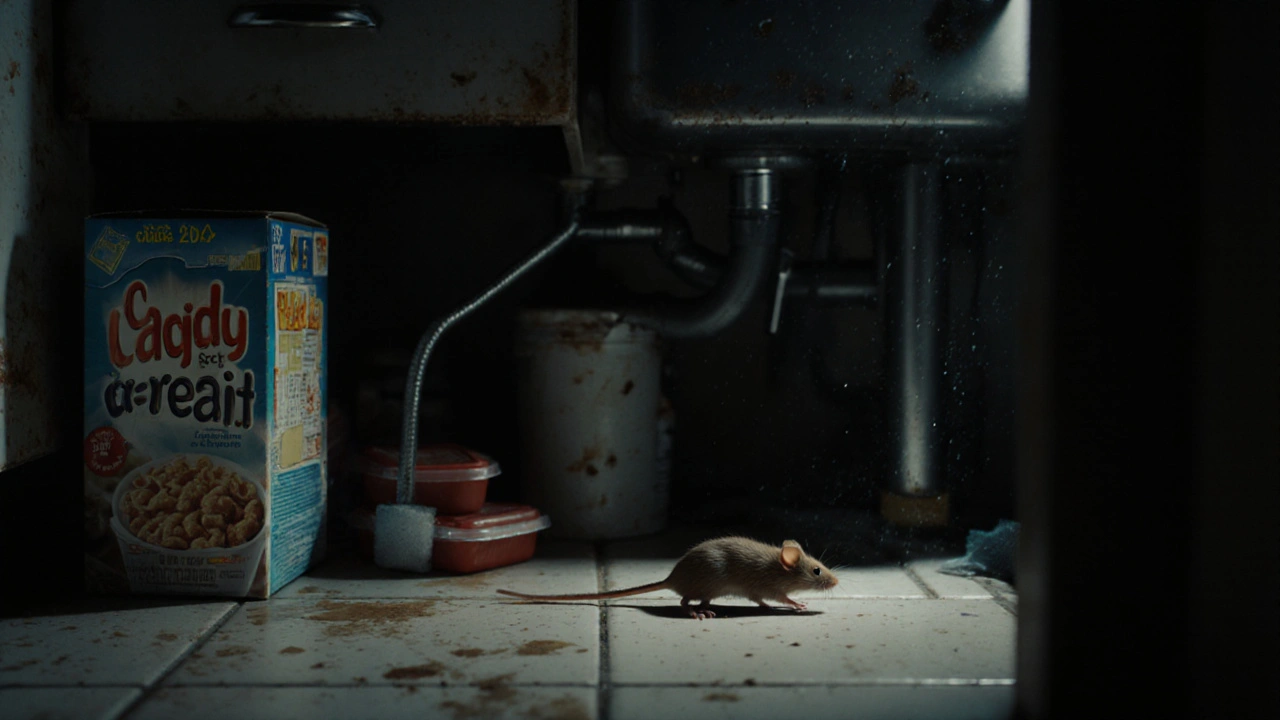
Pests like mice, cockroaches, and insects are common in UK student housing. Learn how to identify them, clean effectively, use traps that work, and demand action from your landlord-without spending a fortune.