Insect Control in Student Accommodation
When you’re living in student accommodation, insect control, the practice of preventing or removing pests like bed bugs, ants, and cockroaches from shared living spaces. Also known as pest management, it’s not just about spraying chemicals—it’s about knowing how bugs get in, where they hide, and how to stop them before they take over. Most students assume pests are a sign of dirt, but that’s not always true. Even spotless flats get infestations because bugs hitch a ride on secondhand furniture, laundry, or even your backpack after a weekend trip. What matters isn’t how clean you are—it’s how well you seal off entry points and manage waste.
Bed bugs, tiny, blood-sucking insects that thrive in cracks of mattresses, headboards, and furniture. Also known as Cimex lectularius, they’re the nightmare most UK students face—and they’re not going away just because you wash your sheets. They don’t fly or jump. They crawl. And they love student housing because it’s full of people coming and going, with shared laundry rooms and sofas passed down from year to year. Then there’s cockroaches, hardy pests that survive on crumbs, moisture, and warmth. Also known as German cockroaches, they’re common in older student buildings with leaky pipes or poor sealing around kitchens. Ants? They’re drawn to sugar and open food containers. Flies? They show up when bins aren’t sealed or emptied. Each bug has its own habits, and treating them the same way won’t work.
Here’s the truth: most student accommodations won’t fix pest problems unless you report them—and even then, they might just send out a one-time spray. That’s not a solution. Real insect control means changing habits: storing food in airtight containers, vacuuming under beds weekly, checking secondhand furniture before bringing it in, and never leaving dirty dishes out overnight. You don’t need a professional to stop an infestation early. You just need to know what to look for—tiny brown specks on sheets, a musty smell near the fridge, or ants marching in a line along the skirting board.
And if you’re sharing a flat, it’s not just your problem. One person leaving takeout containers on the floor affects everyone. That’s why the best insect control in student housing isn’t about products—it’s about communication. Talk to your housemates. Set rules. Share responsibility. A group that checks their furniture and empties bins together doesn’t just avoid pests—they avoid fights too.
Below, you’ll find real advice from students who’ve dealt with this—how they spotted the first signs, what actually worked (and what was a waste of money), and how to keep their rooms bug-free without spending hundreds on exterminators. No fluff. No scare tactics. Just what you need to know to sleep without wondering if something’s crawling on you tonight.
Published on Nov 24
0 Comments
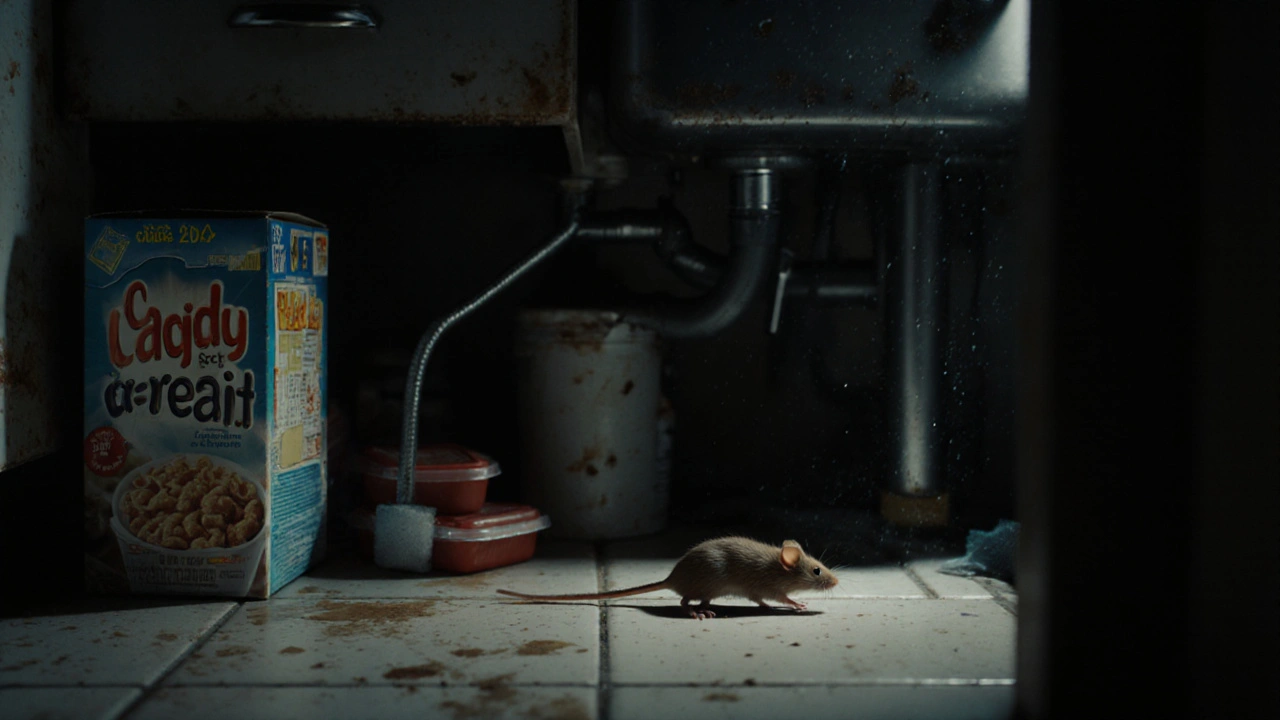
Pests like mice, cockroaches, and insects are common in UK student housing. Learn how to identify them, clean effectively, use traps that work, and demand action from your landlord-without spending a fortune.