
Imagine waking up on a Tuesday morning, checking your phone, and seeing a text from your manager saying they need you for an eight-hour shift starting in two hours. Or, conversely, imagine it's the end of the month and you've barely worked three hours because the business was "quiet." This is the reality of the zero-hours contract, a staple of the UK gig economy that lures millions of students with the promise of flexibility but often leaves them staring at an empty bank account.
Whether you are trying to pay off a loan or just want some spending money for the weekend, understanding these agreements is non-negotiable. You aren't just signing a paper; you're agreeing to a specific power dynamic. If you don't know where your rights end and your employer's whims begin, you risk burnout and financial instability.
Quick Summary: What You Need to Know
- Flexibility: Great for fitting work around exams, but offers no guaranteed income.
- Legal Protection: You are still entitled to the National Minimum Wage and holiday pay.
- The Trap: "Mutuality of obligation" means you can technically say no to shifts, but doing so can lead to "quiet firing."
- Key Right: You cannot be forced to work on a zero-hours contract if you want a fixed-term one, but employers aren't forced to give you one.
What Exactly is a Zero-Hours Contract?
In simple terms, a Zero-Hours Contract is an employment agreement where the employer is not obliged to provide any minimum working hours, and the worker is not obliged to accept any work offered. Unlike a standard part-time job where you might have a guaranteed 15 hours a week, here the "guarantee" is exactly zero.
These contracts are incredibly common in Hospitality and Retail. For a student, it sounds like a dream: "I'll just work when I don't have lectures." But the reality is that the power sits almost entirely with the boss. If the shop is empty, you don't get paid. If they have a sudden rush, they expect you to drop everything and run in.
The Perks: Why Students Actually Like Them
Let's be honest: the academic calendar is chaotic. Between deadline weeks and the sudden realization that you've fallen behind in your Sociology module, a fixed schedule can be a nightmare. The biggest draw here is the ability to prioritize your degree. If you have a massive dissertation due in December, you can simply stop accepting shifts for two weeks without having to negotiate a formal leave of absence.
It's also a low-pressure way to enter the workforce. If you've never had a job before, a zero-hours role in a café or a warehouse is a great way to build a CV. You get exposure to a professional environment without the long-term commitment of a permanent role. Plus, for those who have a side hustle-like freelance graphic design or tutoring-this arrangement allows you to fill the gaps in your schedule without overlapping commitments.
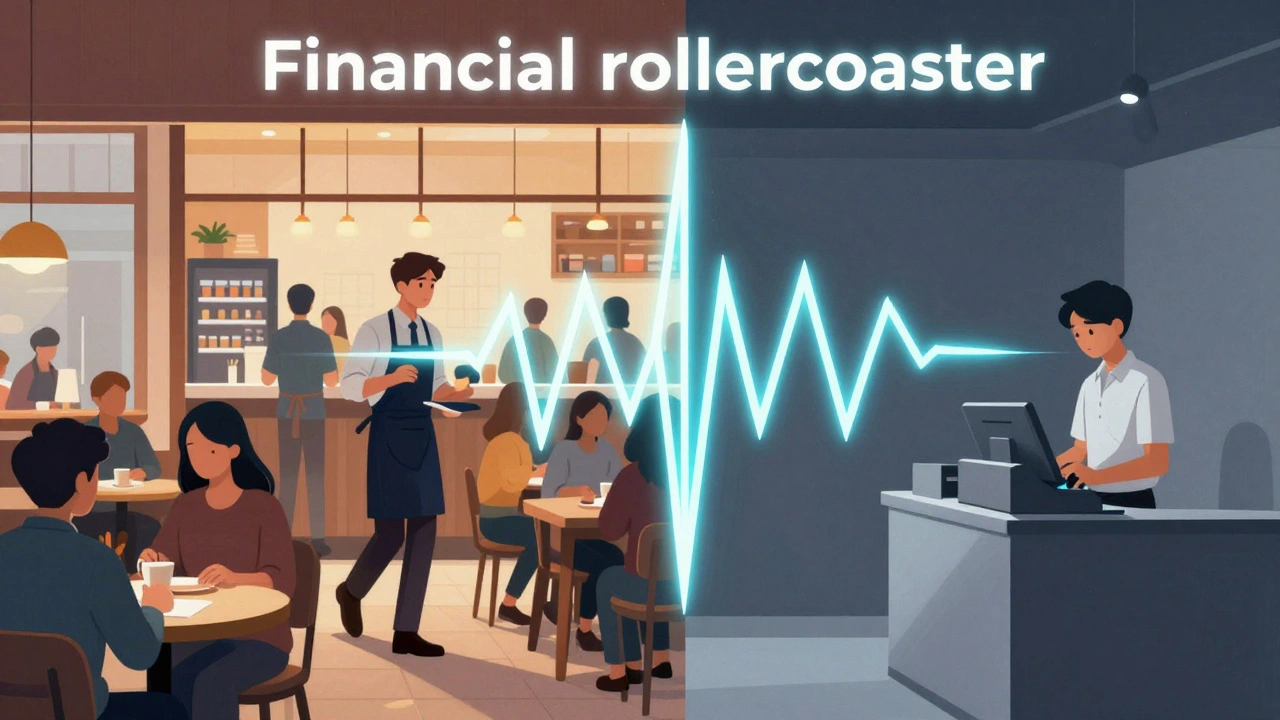
The Downside: The Financial Rollercoaster
The most obvious problem is the lack of predictable income. How do you budget for rent or groceries when your paycheck fluctuates between £200 and £800 every month? This financial volatility creates a huge amount of stress, often leading students to take on too many hours during "peak" times and then starve during the lull.
Then there is the psychological toll of being "on call." Even when you aren't working, you're mentally tied to the job. You can't easily book a trip or commit to a social event if you're worried that refusing a last-minute shift will make your manager dislike you. This is often called "precarious employment," and it can lead to a cycle where you're always available but never truly secure.
| Feature | Zero-Hours Contract | Fixed-Hours Contract |
|---|---|---|
| Guaranteed Pay | None | Consistent weekly/monthly amount |
| Schedule Flexibility | High (if employer agrees) | Low (fixed shifts) |
| Job Security | Very Low | Moderate |
| Ability to Refuse Work | Legal Right | Contractual Obligation |
Knowing Your Legal Rights in the UK
A common misconception is that zero-hours workers have no rights. That is completely wrong. Even if your hours are unpredictable, you are still a "worker" under UK law and are protected by the Employment Rights Act 1996. This means you aren't just a ghost in the system; you have specific legal claims.
First, you must be paid the National Minimum Wage. Whether you work one hour or forty, your hourly rate must meet the legal minimum for your age group. If a manager tells you that "since it's a flexible contract, we pay a bit less," they are breaking the law. Period.
Second, you are entitled to Holiday Pay. Many students think that because they don't have a set schedule, they don't get holidays. In reality, you accrue holiday for every hour you work. This is often added to your pay as "rolled-up holiday pay," or you can take time off and be paid for it. If your payslip doesn't show holiday accrual, you should ask your employer for a breakdown.
Third, you have the right to a Written Statement of Particulars. From day one of your employment, your boss must give you a document explaining your pay, your start date, and the basic terms of your work. If they've only given you a verbal agreement, you are missing a critical piece of protection.
The 'Mutuality of Obligation' Myth
In a zero-hours contract, there is technically no "mutuality of obligation." This is a fancy legal way of saying the employer doesn't have to give you work, and you don't have to take it. On paper, you are a free agent. You can say, "No, I can't work this Saturday, I'm going to a concert," and you aren't breaching your contract.
However, the real world operates differently. Many students fear that refusing a shift will result in them being "blacklisted" or simply not being offered any more shifts in the future. While this is a grey area, if you are consistently offered work and then suddenly stopped after refusing a few shifts, it could potentially be viewed as an unfair practice, though proving this is notoriously difficult for those without full employee status.

Red Flags: When to Leave Your Job
Not all zero-hours contracts are equal. Some employers use them fairly; others use them to exploit young people who don't know the law. You should start looking for a new job if you notice any of the following:
- Pressure to be "Always On": If your manager gets angry when you decline a shift, the "flexibility" is a lie.
- Pay Discrepancies: If you're being paid "cash in hand" to avoid taxes or minimum wage laws, you have zero protection if you're injured on the job.
- Lack of Breaks: Working six hours without a 20-minute break is illegal. If they ignore your need for rest, they'll ignore your need for fair pay.
- The "Trial Shift" Trap: If you've been doing "unpaid trials" for two weeks, you're not being tested; you're being exploited.
Tips for Managing Your Finances
Since your income is a moving target, you need a different approach to money than someone with a salary. The best rule of thumb is to budget based on your lowest ever monthly pay, not your average. If your worst month was £200, treat that as your baseline. Anything you earn above that is "bonus" money that should go straight into a savings account to cover the months when the work dries up.
Keep a meticulous log of every hour you work. Don't rely on the company's digital portal, as these can sometimes have "glitches" that favor the employer. Use a simple notebook or a phone app to track your clock-in and clock-out times. When your payslip arrives, compare it to your log immediately. If there's a discrepancy, you have the evidence to challenge it.
Can I be fired from a zero-hours contract?
Technically, because there is no guarantee of work, an employer can simply stop offering you shifts. This is often called "quiet firing." While you usually can't claim unfair dismissal unless you've worked there for two years, you may still have claims for other breaches of contract or discrimination.
Am I entitled to sick pay on a zero-hours contract?
Yes, you may be eligible for Statutory Sick Pay (SSP) if you earn over £123 per week on average and have been working for the employer for at least four weeks. However, many zero-hours workers don't hit this threshold, meaning they have to rely on other support systems.
Does working zero-hours affect my student visa?
If you are an international student on a Student Visa, you must adhere to the strict hourly limits set by the Home Office (usually 20 hours per week during term time). Zero-hours contracts can be dangerous here because if you're too eager to pick up extra shifts, you might accidentally exceed your legal limit, which can jeopardize your visa status.
Can I ask my employer to change me to a fixed-hours contract?
Absolutely. If you've proven yourself as a reliable worker, you have a strong case to ask for guaranteed hours. The best way to do this is to show them the consistency of your availability and the value you bring to the team during busy periods.
What should I do if I'm not being paid the minimum wage?
First, gather all your evidence (hours logged, payslips). Speak to your manager in writing (email or text) to create a paper trail. If they refuse to fix the error, you can contact ACAS (Advisory, Conciliation and Arbitration Service) for free, impartial advice on how to resolve the dispute.
Next Steps for Students
If you're currently on a zero-hours contract and feeling the strain, start by auditing your hours. Calculate your average monthly income over the last three months and compare it to your essential spending. If the gap is too wide, it's time to look for a role with a "minimum hours" guarantee.
For those just starting their job hunt, look for roles that offer "core hours." These are hybrid contracts where you have a small amount of guaranteed work (e.g., 8 hours) but can take on extra shifts if they're available. This gives you the financial safety net of a fixed contract with the flexibility of a zero-hours arrangement.