
If you're a student planning an internship in the UK, you might assume it’s just a learning experience-and that means no pay, no rights, and no rules. That’s a dangerous myth. The truth is, most student interns in the UK are legally entitled to the national minimum wage, rest breaks, protection from discrimination, and a safe workplace. If your employer says you’re not an employee, they’re probably wrong.
You’re likely entitled to the National Minimum Wage
The UK government doesn’t let companies get away with calling someone an "intern" to avoid paying them. If you’re doing work that benefits the company-answering emails, attending meetings, running errands, or helping with projects-you’re not just observing. You’re working. And if you’re over 16 and not on a government-funded program or part of your degree as a mandatory placement, you’re entitled to at least the National Minimum Wage.
As of April 2025, the minimum wage for workers aged 21 and over is £11.44 per hour. For 18-20-year-olds, it’s £8.60. Even if you’re under 18, if you’re working legally, you’re still entitled to the minimum wage for your age group. The only exceptions are if you’re doing a placement as part of your higher education course (and your school has approved it), or if you’re volunteering for a registered charity with no contractual obligation to work.
Many students get told, "This is for your resume," or "We don’t pay interns." But if you’re doing the same tasks as paid staff, you’re not an intern-you’re an employee under the law. The UK Employment Rights Act 1996 and the National Minimum Wage Act 1998 make this clear. Employers who don’t pay can face fines up to £20,000 per worker, plus back pay.
What counts as "work"? The line isn’t always clear
Some internships are shadowing roles-sitting in on meetings, watching how things work. Those might not count as work. But if you’re expected to show up at 9 a.m., finish at 5 p.m., and do real tasks like data entry, customer service, or social media posts, you’re working. Even if you’re not told to clock in, if you’re under supervision and expected to be there, you’re entitled to pay.
Here’s a simple test: If the company would have to hire someone else to do your job if you weren’t there, you’re entitled to the minimum wage. If you’re just observing and not contributing, you might not be. But most student internships fall into the "contributing" category.
One student in Manchester interned at a marketing agency for six weeks. She designed Instagram posts, wrote blog content, and responded to client emails. Her employer said she was a "volunteer." She reported it to ACAS and received £1,200 in back pay. That’s not rare. In 2024, over 3,200 complaints about unpaid internships were filed with UK labor authorities.
Other legal protections you can’t be denied
Pay isn’t the only right you have. Even if you’re working just one day a week, you’re protected by:
- Rest breaks: After 6 hours of work, you’re entitled to a 20-minute unpaid break.
- Safe working conditions: Your employer must assess risks and protect you from harm. That includes mental health risks like excessive workload or bullying.
- Protection from discrimination: You can’t be treated unfairly because of your age, gender, race, religion, disability, or sexual orientation. This applies even if you’re not on a formal contract.
- Holiday pay: If you’re working under a contract (even verbal), you’re entitled to 5.6 weeks of paid holiday per year, pro-rated for part-time work. That’s about 1.2 days per month for a 3-day-a-week intern.
- Protection from unfair dismissal: If you’ve worked for more than two months, you can’t be fired without a fair reason.
These rights don’t disappear because you’re a student. A 19-year-old intern in Edinburgh was told she couldn’t take time off for a doctor’s appointment because she was "just shadowing." She filed a claim and won. The company had to pay her for the missed time and change their policy.
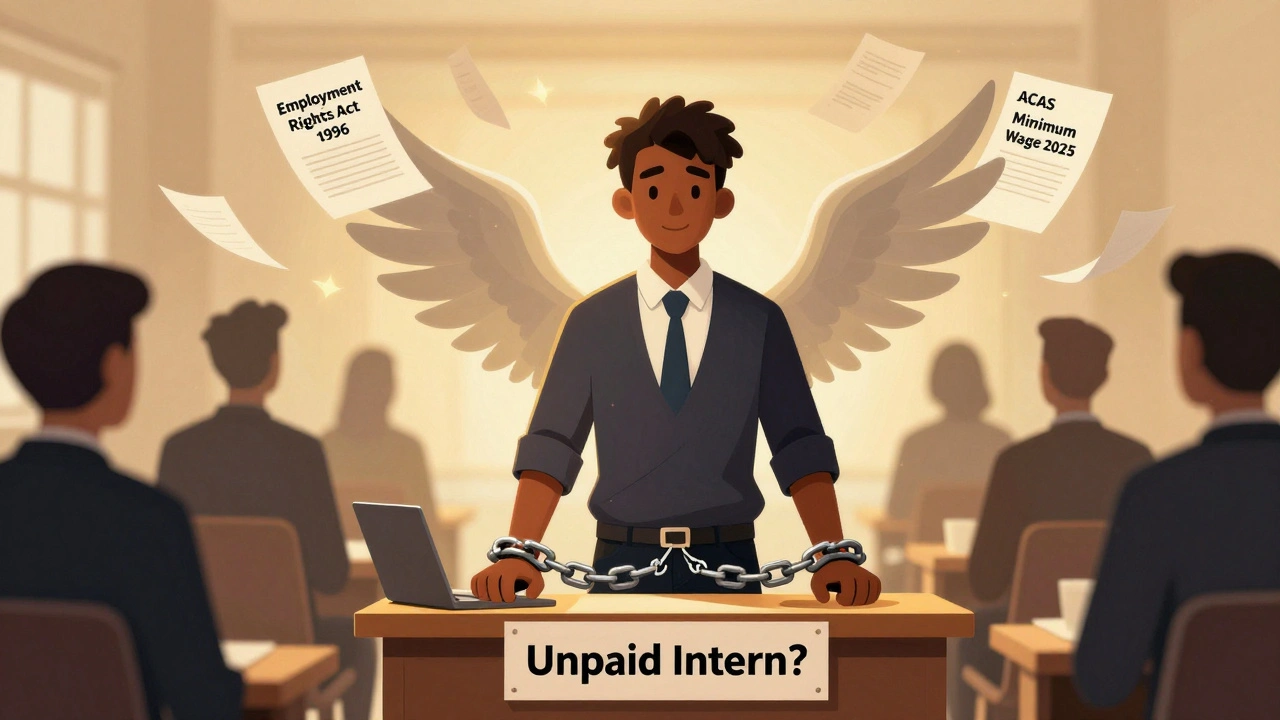
Unpaid internships are legal-but only in very rare cases
Some unpaid internships are allowed, but only if they meet strict criteria:
- You’re working for a registered charity.
- You’re doing work experience as part of your academic course (and your school has approved it).
- You’re not replacing a paid employee.
- You’re not under any obligation to work beyond the agreed period.
- You’re not receiving any benefits beyond travel expenses or meals.
If your internship doesn’t meet all these, it’s likely illegal. Many companies hide behind "it’s for experience" to avoid paying. But experience doesn’t replace the law. In 2023, the UK government launched a crackdown on unpaid internships in finance, media, and fashion-sectors where unpaid work was most common.
How to check if you’re being treated fairly
Before you start your internship, ask these questions:
- Will I be doing tasks that benefit the company, or just observing?
- Will I be expected to work set hours?
- Will I be given a contract or written agreement?
- Will I be paid, and if not, why?
If the answers suggest you’re doing real work, you should be paid. Keep records: save emails, take screenshots of schedules, write down your daily tasks. If you’re denied pay, you can report it anonymously to ACAS (Advisory, Conciliation and Arbitration Service) or file a claim through the UK government’s online portal.
Don’t wait until the end of your internship to speak up. Many students stay quiet because they’re afraid of losing the opportunity. But the law is on your side. Companies that refuse to pay interns risk fines, bad publicity, and losing their ability to hire in the future.
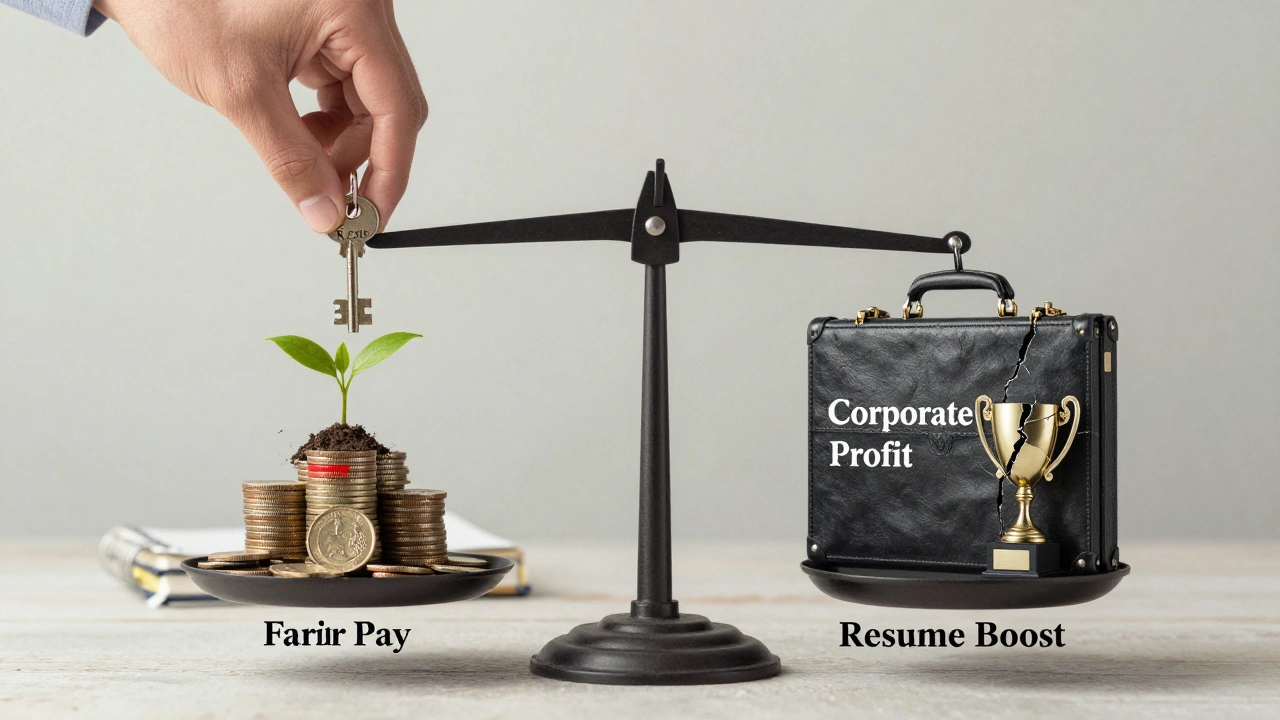
What to do if you’re not being paid
If you’ve been working and not paid:
- Ask your employer politely for clarification. Sometimes it’s an oversight.
- If they refuse, email them with a clear request: "I’ve worked X hours since [date]. According to UK law, I’m entitled to minimum wage. Please confirm when payment will be made."
- Keep a copy of the email.
- If no response in 7 days, contact ACAS on 0300 123 1100 or visit acas.org.uk for free advice.
- You can also file a claim with an Employment Tribunal within three months of the unpaid work.
Many students worry about legal action, but most cases are settled before going to court. ACAS offers free mediation. You don’t need a lawyer. Your status as a student doesn’t make you less protected.
International students: your rights are the same
If you’re on a student visa in the UK, you’re still protected by UK labor law. Your visa may limit how many hours you can work per week (usually 20 during term time), but it doesn’t remove your right to be paid for the hours you do work. If your employer says, "You’re on a visa, so you can’t claim pay," that’s illegal.
Many international students have been told they can’t take legal action because they’re not citizens. That’s false. You have the same rights as any worker in the UK. If you’re being exploited, you can report it without fear of deportation. The Home Office does not punish workers for reporting wage theft.
Why this matters beyond just money
Unpaid internships create a system where only students from wealthy families can afford to work in certain industries. Journalism, law, politics, and the arts become closed doors for those who can’t afford to work for free. Paying interns isn’t just about fairness-it’s about opening up opportunities.
When companies pay interns, they get more diverse talent, better work quality, and higher retention. A 2024 study by the Sutton Trust found that 78% of paid interns were offered full-time jobs after their placement. Only 23% of unpaid interns were.
Knowing your rights isn’t being difficult. It’s about making sure the system works for everyone-not just those who can afford to work for free.
Are unpaid internships legal in the UK?
Unpaid internships are only legal if they meet strict conditions: you’re working for a registered charity, it’s part of your academic course with school approval, you’re not replacing a paid worker, and you have no obligation to continue. If you’re doing real work that benefits the company, you’re legally entitled to the minimum wage.
Do I need a contract to be paid as an intern?
No. Even a verbal agreement counts. If you show up, do work, and are supervised, you have an implied contract. The law doesn’t require paperwork to give you rights. Your employer can’t use lack of a contract to avoid paying you.
Can I be fired for asking to be paid?
No. If you’ve worked for more than two months, you’re protected from unfair dismissal. Even if you’ve worked less, asking for your legal rights is not a valid reason for termination. If you’re fired after asking for pay, you can file a claim for wrongful dismissal.
What if my internship is through my university?
If your internship is a required part of your degree and your university has approved it in writing, you may be exempt from minimum wage. But if you’re doing tasks that benefit the company and aren’t directly tied to your academic learning, you’re still entitled to pay. Always check with your university’s careers office.
Can international students report unpaid internships?
Yes. International students have the same legal rights as UK residents. Reporting unpaid work won’t affect your visa status. The Home Office encourages workers to report exploitation. You can report anonymously through ACAS or the Pay and Work Rights Helpline.
If you’re unsure whether your internship is legal, don’t guess. Contact ACAS or visit the UK government’s official page on intern rights. Your time and effort have value. Don’t let anyone tell you otherwise.