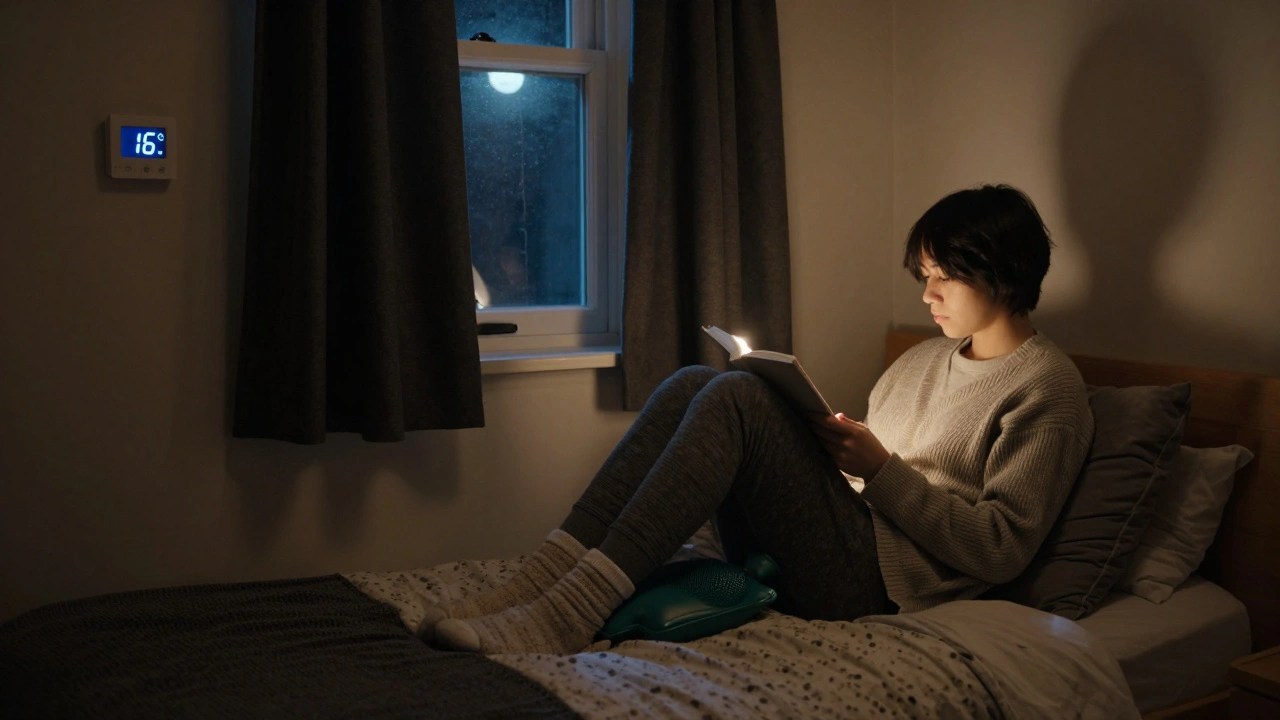
When the nights get long and the wind bites through thin walls, heating your room shouldn’t mean choosing between eating and staying warm. In the UK, students face a harsh reality: energy bills spike in winter, but income doesn’t. The average student household pays over £1,200 a year for heating and electricity - and that’s before the cold snap hits. The good news? You don’t need to live like a hermit in a blanket fort to stay warm. With smart habits, cheap tools, and a few government tricks, you can cut your heating bill by half without freezing.
Know Your Energy Tariff - And How to Switch
Most students are stuck on default variable tariffs, which are the most expensive. If you’re on a standard variable rate, you’re likely paying 40% more than you should. The UK’s energy price cap for winter 2025-2026 is £1,568 a year for a typical household. But students living alone or in small flats often pay less because they use less energy. Check your bill - if your unit rate is above 25p per kWh or your daily standing charge is over 35p, you’re overpaying.Switching to a fixed-rate tariff can save you £200-£400 a year. Use Uswitch or Energylinx - both let you filter by household size. Pick a 12-month fixed deal, even if it’s slightly above the cap. It protects you from future hikes. Avoid ‘green’ tariffs unless they’re cheaper - they’re often pricier and don’t actually change your bill.
Heat Only What You Need
Heating the whole house is a waste. Most students live in flats or shared houses with unused rooms. Turn off the radiator in rooms you don’t use - even if it’s just a cupboard or a spare bedroom. Close the door, cover the vent with a towel, and let the heat stay where you are.Use a programmable thermostat - even the cheapest ones cost under £20 on Amazon. Set it to come on 30 minutes before you wake up and turn off when you leave for class. At night, drop the temperature to 16°C. That’s warm enough to sleep under layers. A study by the Energy Saving Trust found that turning the thermostat down by just 1°C cuts heating bills by 10%. That’s £100 a year saved on a £1,000 bill.
Draft Proofing: The £5 Fix That Works Like Magic
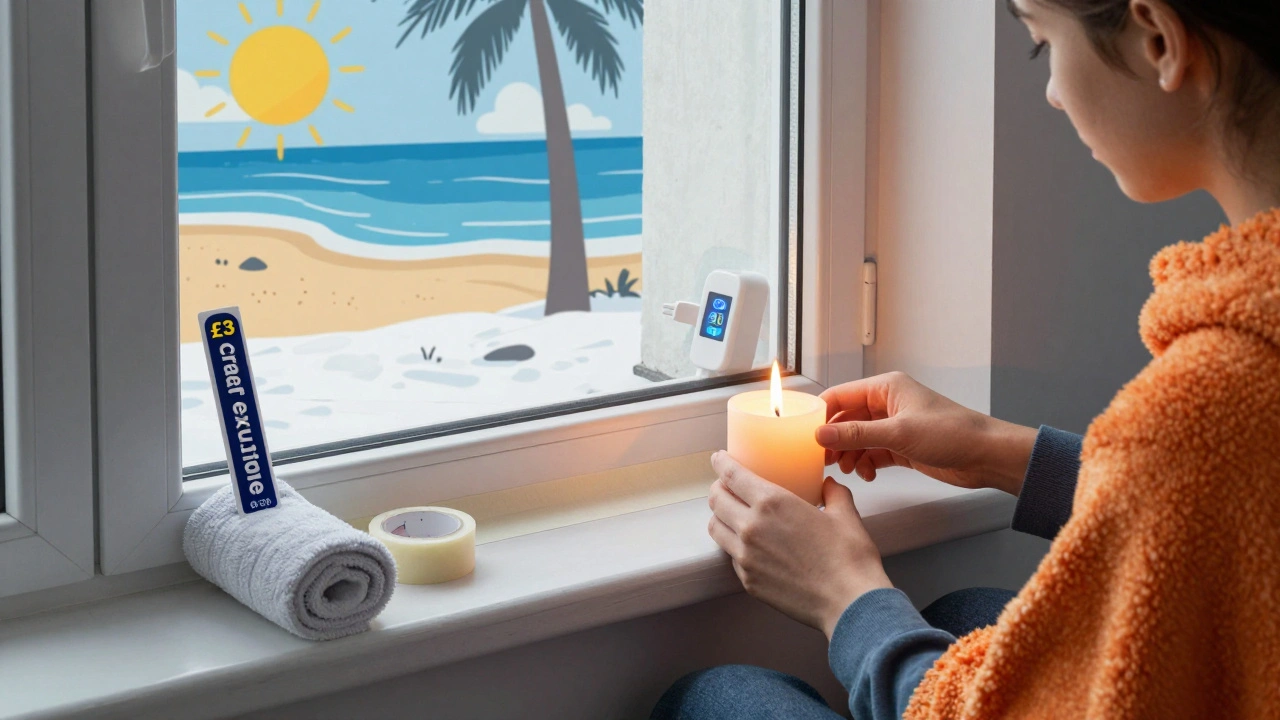
Cold air sneaks in through gaps under doors, around windows, and through letterboxes. You’d be surprised how much heat escapes. A £3 draft excluder for your front door, some self-adhesive weather stripping for windows (under £5), and a £2 chimney balloon if you have an unused fireplace can stop 20% of heat loss.Try this: hold a lit candle near a window frame. If the flame flickers, air’s leaking in. Seal it with foam tape. You can also hang thick curtains - even IKEA’s blackout curtains - over windows at night. They act like insulation. Open them during the day to let the sun warm the room. Natural heat is free.
Layer Up - Don’t Turn Up the Thermostat
Your body doesn’t need 21°C to be comfortable. Wear thermal underwear, fleece socks, and a beanie indoors. A good wool sweater traps heat better than a radiator. Keep a blanket on your sofa and another on your bed. Layering is the cheapest form of heating.Use a hot water bottle. Fill it before bed - it lasts 6-8 hours. You can buy one for £8 at any supermarket. Some students even reuse plastic bottles filled with hot tap water. Wrap them in a sock to avoid burns. It’s not glamorous, but it works.
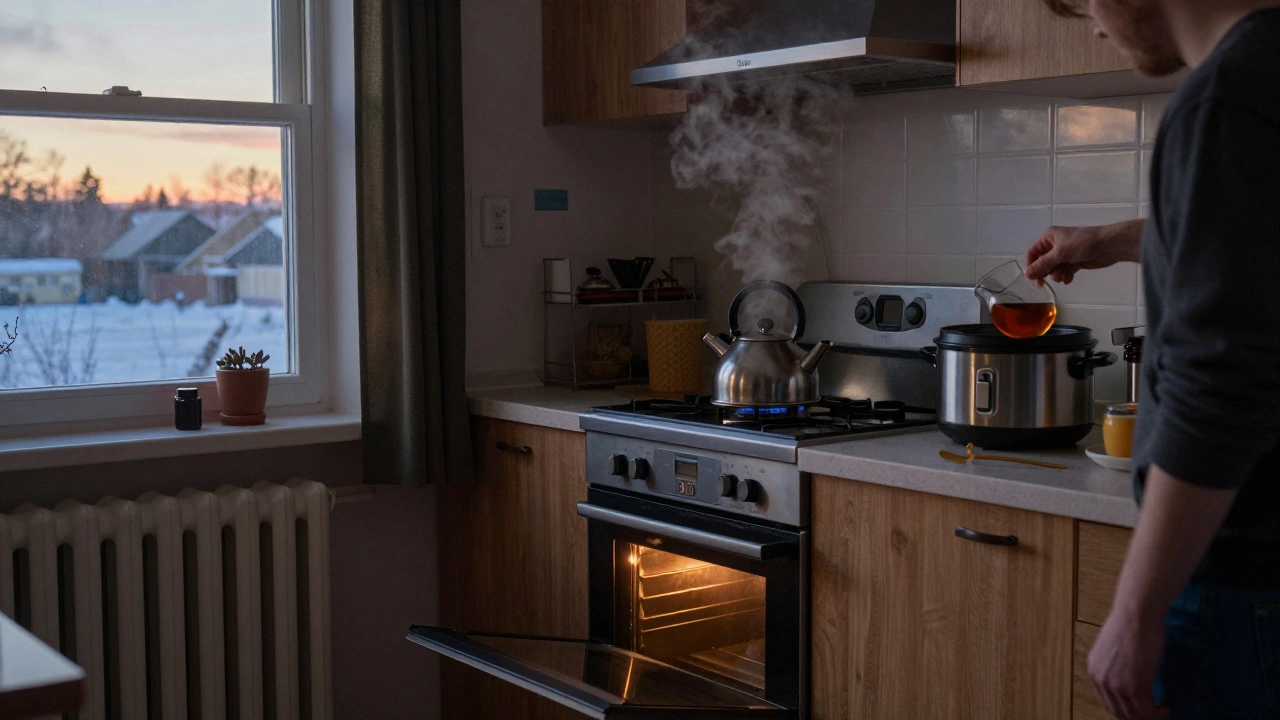
Use Your Kitchen to Heat Your Home
Your oven and hob are powerful heat sources. Cooking dinner? Leave the oven door open for 10 minutes after you turn it off. The heat radiates into the kitchen and nearby rooms. Boil water for tea? Keep the lid on - it heats faster and releases steam, which adds moisture and warmth to the air.Don’t cook in a microwave alone if you’re heating a small space. Microwaves don’t warm the room. Use a small electric kettle on the stove instead - it’s more efficient. And if you have a slow cooker? Use it for meals. It uses less energy than an oven and warms the kitchen for hours.
Get Free Help - You’re Eligible
The UK government gives out financial help to low-income households - including students. If you’re on a low income, receive Universal Credit, or get a maintenance loan, you might qualify for the Warm Home Discount. It gives you £150 off your electricity bill in winter. Apply through your energy supplier - don’t wait for them to contact you.Check if your university offers a hardship fund. Many do. Some give out free thermal socks, electric blankets, or even vouchers for energy top-ups. Talk to your student union. They know what’s available. You don’t need to be in crisis to ask. There’s no shame in using support meant for you.
Electric Blankets and Heaters - Use Them Right
Electric blankets use about 15-30 watts per hour. That’s less than a lightbulb. Use one to warm your bed before you get in, then turn it off. Never sleep with it on - it’s a fire risk and wastes power.Oil-filled radiators are better than fan heaters. Fan heaters blow hot air and lose heat fast. Oil radiators hold heat longer and use less electricity. A 1.5kW oil radiator costs about 35p per hour to run. If you use it for 4 hours a day, that’s £1.40 a day - still cheaper than cranking up the central heating for the whole house.
Group Up - Share the Cost
If you live with others, split the heating bill evenly. But make sure everyone agrees on the rules. Set a house temperature - say 18°C - and stick to it. Use a shared smart plug to monitor who’s using space heaters. If someone leaves a heater on all day, they pay extra. A simple spreadsheet and a group chat can prevent fights.Consider sharing a space heater. One good one in the living room keeps everyone warm. You’ll save on electricity and avoid the chaos of five different heaters plugged into one socket.
What Not to Do
Don’t use gas barbecues or camping stoves indoors. They release carbon monoxide - a silent killer. Even if you crack a window, it’s dangerous.Don’t leave the heating on all day at 22°C. That’s what landlords do. You’re not a landlord. You’re a student. You can’t afford it.
Don’t ignore your energy supplier’s payment plans. If you’re struggling, ask for a payment plan. They can’t cut you off in winter. By law, they must work with you.
Can I get help paying my energy bills as a student in the UK?
Yes. If you receive a maintenance loan, Universal Credit, or have a low household income, you may qualify for the Warm Home Discount - a £150 reduction on your electricity bill. Apply directly through your energy supplier. Also, check with your university’s student union - many offer hardship funds for heating costs, free blankets, or energy vouchers.
Is it cheaper to leave the heating on low all day or turn it on and off?
Turning your heating on and off is cheaper. Leaving it on low all day wastes energy because your home loses heat continuously. Use a programmable thermostat to turn it on 30 minutes before you wake up or come home, and turn it off when you’re out. Even a 1°C drop at night saves 10% on your bill.
What’s the best way to stop drafts in a student flat?
Use self-adhesive weather stripping around windows and doors - it costs under £5. Put a draft excluder at the bottom of your front door. Hang thick curtains at night. Seal gaps around pipes and vents with foam tape. Even a rolled-up towel under a door helps. These fixes block cold air and keep heat in.
Are electric blankets safe for students to use?
Yes - if used correctly. Use them to warm your bed before you get in, then turn them off. Never sleep with them on. Avoid old or damaged blankets. Look for models with automatic shut-off. They use less power than a space heater and are safer than gas heaters or oil radiators left unattended.
Should I buy a space heater for my room?
Only if you’re in a room that’s not heated at all. Choose an oil-filled radiator - not a fan heater. They’re more efficient and retain heat longer. A 1.5kW model costs about 35p per hour. Use it only when you’re in the room. Never leave it on overnight or unattended.
Final Tip: Track Your Usage
Install a smart plug with energy monitoring - like the TP-Link Kasa. Plug your heater or kettle into it. You’ll see exactly how much each appliance costs per hour. Most students are shocked when they realize their space heater is costing them £4 a week. Once you see the numbers, you’ll make smarter choices.Staying warm on a student budget isn’t about suffering. It’s about being smart. You don’t need to spend more - you need to spend better. A few pounds on insulation, a little discipline with your thermostat, and knowing where to ask for help can make winter bearable - even comfortable.