
Imagine your society winning a trophy that isn’t just for show. It’s proof that your team did the hard work of bringing people together, running events, and making an impact on campus. For many UK student groups, student society awards are the peak of the academic year. But getting there is rarely about luck. It’s about strategy, documentation, and knowing exactly what judges look for.
Whether you’re aiming for the prestigious National Union of Students (NUS) awards or your specific university’s Union Awards, the process can feel overwhelming. You have to balance running a busy social calendar with writing a compelling application. This guide breaks down how to navigate both local and national competitions without burning out your committee.
Understanding the Two Tiers of Recognition
Most UK universities operate a two-tier system for recognizing student groups. First, there are the internal University Union Awards. These are usually decided by the central student union body at your specific institution. Second, there are National Awards, often coordinated through bodies like the NUS or specific professional associations relevant to your society’s focus.
The key difference lies in scope and evidence. Local unions know your context; they see your event attendance numbers and understand your campus culture. National judges, however, look at broader impact. They want to see how your society contributes to the wider student experience, diversity, and community engagement beyond just your own university walls.
| Feature | Local Union Awards | National Awards (e.g., NUS) |
|---|---|---|
| Judges | Internal Union Staff/Student Reps | External Panel/National Body |
| Focus | Campus Impact, Attendance, Consistency | Innovation, Diversity, National Reach |
| Evidence Needed | Event Logs, Basic Feedback | Detailed Case Studies, Media Coverage, Data Analysis |
| Timeline | End of Academic Year (May/June) | Rolling or Mid-Year (Jan/Feb) |
What Judges Actually Look For
Many committees make the mistake of thinking "more events equals better score." Not necessarily. Judges for Student Leadership programs that evaluate organizational effectiveness and member engagement care deeply about quality over quantity. If you ran five massive events but only had 10% of your members attend each, that’s a red flag. If you ran ten small, high-engagement workshops where 80% of members participated, that’s a win.
Here are the three pillars most award panels evaluate:
- Impact and Engagement: Don’t just list attendees. Show retention. Did new members stay active? Use data from your membership platform to prove loyalty, not just sign-ups.
- Innovation and Creativity: How did you solve problems? Did you partner with other societies? Did you use new technology to manage volunteers? Specific examples beat general statements here.
- Diversity and Inclusion: This is non-negotiable in modern UK student life. Show how you actively recruited underrepresented groups. Mention specific outreach campaigns, not just generic statements about being "welcoming."
Building Your Evidence Base Early
The biggest trap is waiting until submission week to gather proof. By then, photos are lost, feedback forms are incomplete, and memories are fuzzy. Start building your "Award Portfolio" from day one of the semester.
Create a shared drive folder specifically for this purpose. Inside, maintain subfolders for:
- Media Assets: High-res photos, short video clips, and press releases. Tag them by event date.
- Data Snapshots: Screenshot your membership growth graphs quarterly. Save export files from your event management tools showing attendance rates.
- Testimonials: Collect quotes from members, partners, and staff immediately after events. Ask for specific details: "The workshop helped me find my first internship" is better than "It was fun."
- Financial Transparency: Keep a simple log of major expenditures and donations. Some awards require proof of responsible budgeting.
This proactive approach means that when the deadline hits, you’re spending time crafting the narrative, not hunting for screenshots.
Crafting the Narrative: Beyond the Numbers
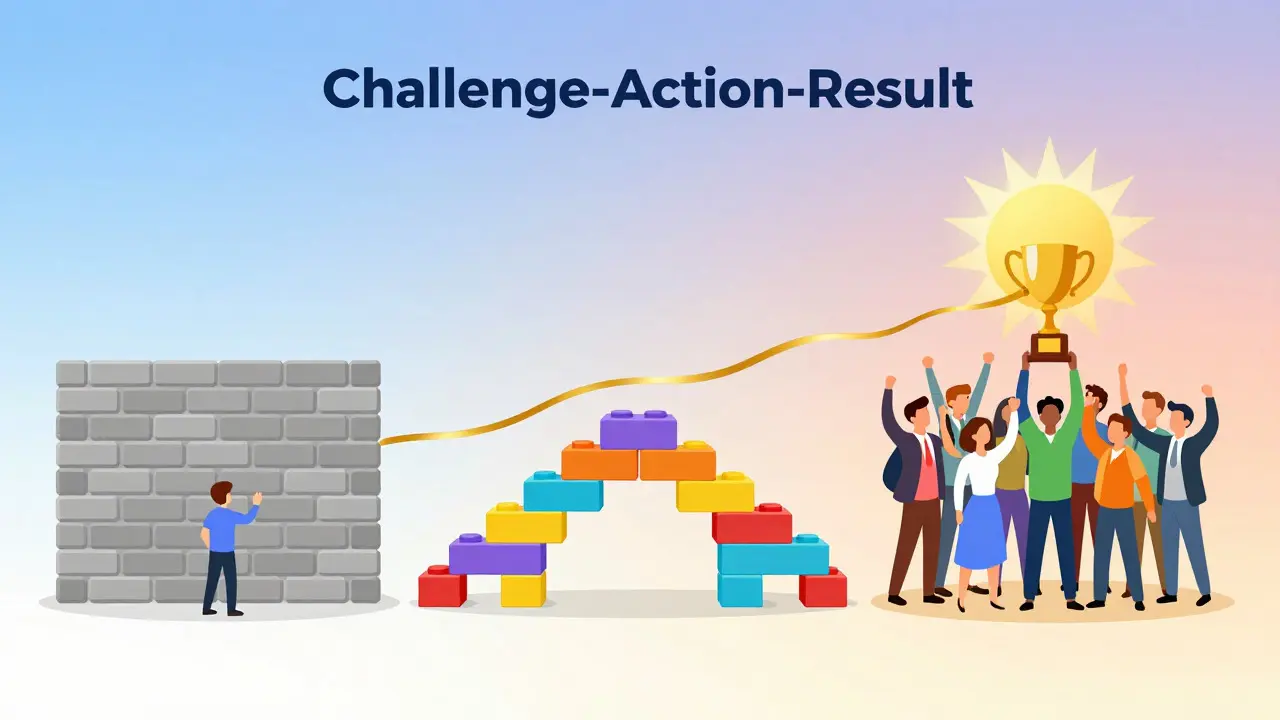
Data tells the story, but narrative makes it stick. When writing your application, avoid dry recitals of activities. Use the "Challenge-Action-Result" framework.
Example:
Challenge: Our society struggled with low female participation in engineering networking events.
Action: We launched a mentorship pairing program with alumni and hosted exclusive "Women in Tech" panel discussions.
Result: Female membership increased by 40% within one semester, and we secured two corporate sponsors who valued our diverse demographic.
This structure shows judges you aren’t just running parties; you’re solving real problems for your community. It demonstrates strategic thinking, which is highly valued in leadership roles.
Tips for National Award Submissions
If you’re aiming for national recognition, such as the NUS Excellence Awards, the bar is higher. You need to demonstrate that your work has implications beyond your single campus.
- Highlight Scalability: Can other societies replicate your model? If you created a toolkit for mental health awareness, mention if other universities adopted it.
- Media Presence: Have you been featured in local newspapers, university newsletters, or social media trends? Link these mentions. External validation carries significant weight.
- Partnerships: Detail collaborations with external organizations, charities, or industry leaders. This shows your society acts as a bridge between students and the wider world.
Keep the tone professional but passionate. Avoid jargon. Remember, the judging panel may include people from different backgrounds who don’t know the specific slang of your faculty or city.

Common Pitfalls to Avoid
Even strong societies lose out due to simple administrative errors. Watch out for these:
- Ignoring the Rubric: Read the criteria document multiple times. If "Community Service" is worth 30% of the score, ensure 30% of your word count focuses on it. Don’t spend half your essay on fundraising if it’s only worth 10%.
- Vague Claims: Saying "We improved morale" is weak. Saying "Member satisfaction scores rose from 7.2 to 8.9 based on post-event surveys" is strong.
- Last-Minute Rush: Submit at least 48 hours before the deadline. Technical glitches happen. Having buffer time prevents panic.
- Lack of Committee Input: Don’t let one person write the whole thing. Gather input from all officers. Their perspectives add depth and show collaborative leadership.
Next Steps for Your Committee
Start today. Assign one officer to be the "Awards Lead." Their job is to maintain the evidence portfolio and keep track of deadlines. Schedule a monthly review to update your data snapshots. Talk to your Union’s Student Services team early-they often have templates and past winners’ examples that can guide your structure.
Winning isn’t just about the plaque on the wall. It’s about validating the hard work your team puts in every week. It boosts morale, attracts new members, and strengthens your society’s reputation across the UK student landscape. Treat the process as seriously as you treat your flagship events, and the results will follow.
When do most UK universities hold their internal society awards?
Most internal Union Awards are held at the end of the academic year, typically between May and June. However, some larger unions run rolling nominations throughout the year. Always check your specific university’s student union website for exact dates, as they vary by institution.
Do I need to be a registered society to enter national awards?
Yes, almost always. To be eligible for national recognition, your group must be officially recognized by your university’s student union or central administration. This ensures you have proper governance, insurance, and financial oversight in place, which national bodies view as a prerequisite for credibility.
How much does it cost to apply for these awards?
Usually, there is no entry fee for either local or national student society awards. The main costs are internal: time spent gathering data, writing applications, and potentially printing materials for local ceremonies. Budget around 10-15 hours of committee time for a comprehensive application.
Can a new society win awards in its first year?
Yes, but it’s harder. New societies often compete in specific "New Society" categories. Focus on rapid growth metrics and innovative launch strategies rather than long-term history. Highlight how quickly you built a community and established reliable operations.
What is the best way to store evidence for future years?
Use a cloud-based file storage solution like OneDrive or Google Drive, accessible to all current and incoming committee members. Organize folders by academic year and category (Photos, Data, Testimonials). This ensures knowledge transfer when the committee changes hands annually.