
When you’re a student in the UK, your life can feel like a cycle of lectures, libraries, and late-night takeaway. But there’s another side to student life that doesn’t show up on your timetable - the quiet, powerful work of volunteering. It’s not just about adding a line to your CV. It’s about showing up for your town, your campus, your neighbors - and finding out what you’re really made of.
Why Volunteering Isn’t Just ‘Nice to Do’
Most students think volunteering is something you do if you have extra time. The truth? You don’t need extra time - you need to rearrange what you already have. A few hours a week, even one, can change more than your schedule. It changes your perspective.
In cities like Manchester, Leeds, or Brighton, student volunteers run food banks, tutor kids after school, clean up riverbanks, and help elderly neighbors with shopping. These aren’t charity events. They’re community lifelines. And students are the ones keeping them alive.
A 2024 study by the UK Student Volunteerism Network found that over 60% of student volunteers reported feeling less isolated during their first year. That’s not a coincidence. When you’re helping someone else, you stop focusing so hard on your own stress. You start seeing your place in something bigger.
Where to Find Real Opportunities - Not Just Posters
Don’t wait for your student union to send out an email. Most of the best opportunities aren’t advertised on campus. They’re happening in local churches, community centers, and small charities that don’t have social media teams.
Start by walking into your local library. Ask the staff what kind of help they need. Many libraries run reading programs for kids, digital literacy workshops for older adults, or book donation drives. You don’t need qualifications. Just show up.
Try websites like Do-It.org or Volunteer Scotland (if you’re north of the border). They let you filter by location, time commitment, and interest - whether you love animals, hate waste, or just want to talk to people who don’t get many visitors.
And don’t overlook your own university. Most have a Volunteering Hub - a quiet office tucked away where staff know exactly which local groups are desperate for help. They’ll match you with something that fits your schedule, your skills, even your personality.
What You Can Actually Do - Real Examples
Here’s what volunteering looks like on the ground:
- Helping at a food bank in Bristol: sorting donations, packing boxes, handing out groceries to families who missed their last paycheck. You learn how much food gets thrown out - and how many people need it.
- Tutoring GCSE students in Nottingham: helping a 16-year-old finally understand quadratic equations. Their mum texts you at Christmas with a photo of their A grade.
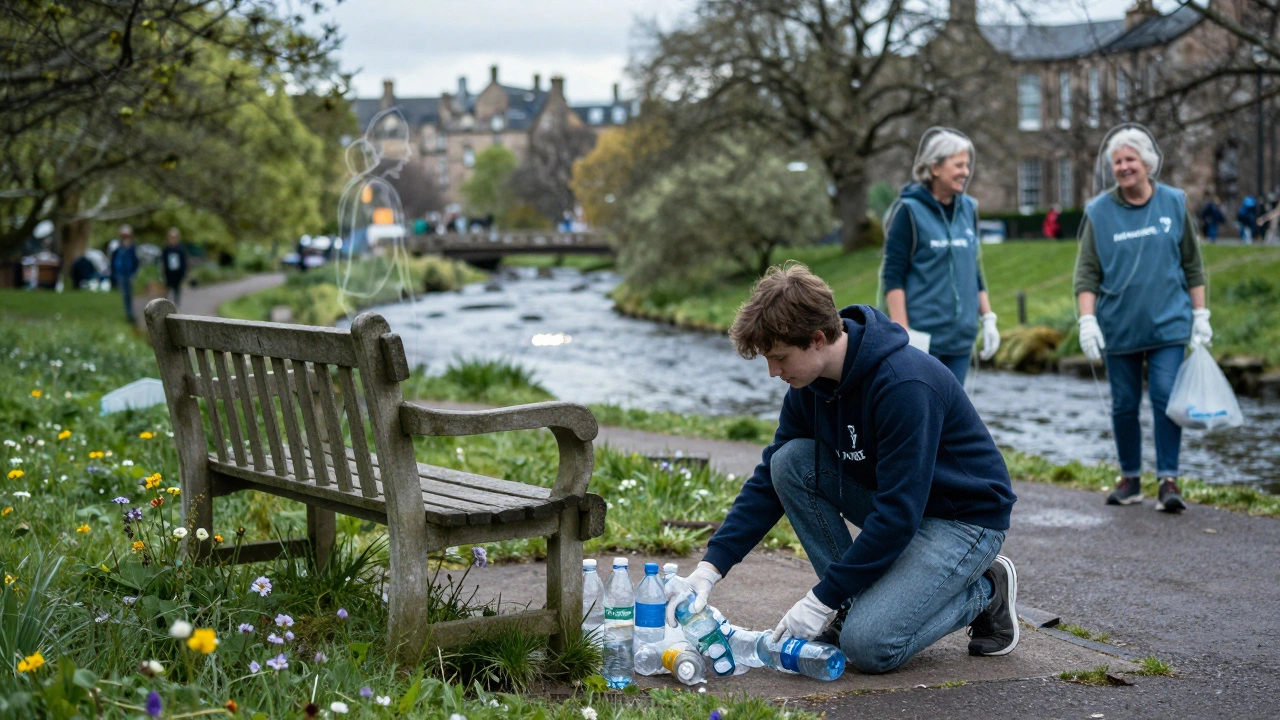
- Joining a park cleanup crew in Edinburgh: picking up plastic bottles, pulling weeds, painting benches. You start noticing litter you never saw before - and you stop buying bottled water.
- Running a weekly coffee morning for isolated seniors in Cardiff: listening to stories about the 1970s, learning how to knit, realizing how much loneliness hides behind polite smiles.
- Assisting at an animal shelter in Newcastle: walking dogs, cleaning cages, helping with adoption events. You don’t need to love animals to care - you just need to show up.
None of these require a degree. None of them pay. But they all leave a mark - on the people you help, and on you.

How Volunteering Changes Your Student Experience
It’s not just about giving back. It’s about getting something real in return.
Students who volunteer regularly report better sleep, lower anxiety, and more motivation to attend class. Why? Because they’re no longer just chasing grades. They’re building purpose.
One student in Glasgow told me she started volunteering at a homeless shelter because she was bored. Six months later, she changed her dissertation topic to urban poverty policy. She got a job with a national charity after graduation.
Volunteering also builds skills you can’t learn in lectures: how to talk to someone who’s scared, how to manage a team of five people who all have different ideas, how to show up when you’re tired, sick, or overwhelmed.
And yes - employers notice. Not because you said you “volunteered.” But because you can now say: “I coordinated a team of 12 students to deliver 500 meals a week during term time. We reduced food waste by 30% and increased client satisfaction scores by 45%.” That’s not a buzzword. That’s leadership.
Common Myths - And Why They’re Wrong
Let’s clear up a few lies students tell themselves:
- “I don’t have time.” You have 3-5 hours a week. That’s less than one lecture. Try it for a month. You’ll find the time.
- “I’m not qualified.” No one expects you to be. They need someone reliable, not perfect.
- “It won’t make a difference.” One meal. One conversation. One clean park bench. That’s a difference. And it adds up.
- “It’s just for people who want to be social workers.” Wrong. You can volunteer if you love art, coding, gardening, or baking. There’s a place for every skill.
The biggest myth? That volunteering is a sacrifice. It’s not. It’s a swap. You give time. You get perspective, confidence, and connection.
How to Start Without Overcommitting
You don’t have to sign up for six months. Start small.
- Find one local group that speaks to you. Just one.
- Ask if they need help for one shift - maybe Saturday morning.
- Go. Don’t overthink it. Wear comfy shoes.
- Afterward, ask: “Can I come back next week?”
- If it feels right, keep going. If not, try another.
Most organizations are thrilled to get even one volunteer who shows up consistently. You don’t need to be a hero. You just need to be there.
What Happens When Students Show Up
In 2023, over 200,000 UK students volunteered through their universities. That’s more than 4 million hours of unpaid work. Imagine what that looks like on the ground.
It means a single mother in Hull gets her kids’ school supplies without having to choose between rent and food. It means a retired teacher in York gets someone to read to her when her eyesight fails. It means a stream in Cornwall is clean enough for kids to paddle in again.
And it means you - yes, you - become part of that story. Not as a bystander. Not as a helper. As a vital part of the machine that keeps your community alive.
You’re not just a student. You’re a neighbor. A volunteer. A change-maker.
Can international students volunteer in the UK?
Yes, international students on a Student visa can volunteer freely as long as it’s unpaid and doesn’t replace a paid job. You can’t do voluntary work that’s part of a formal work placement or that would normally be paid. But helping at a food bank, tutoring kids, or cleaning parks is perfectly allowed. Always check with your university’s international office if you’re unsure.
Do I need references or background checks to volunteer?
It depends on the role. If you’re working with children, vulnerable adults, or handling money, you’ll likely need a DBS check (Disclosure and Barring Service). Most organizations will arrange and pay for this for you. For general roles like litter picking or event helping, no check is needed. Don’t let paperwork scare you off - most places make it simple.
Can volunteering help me get a job after graduation?
Absolutely. Employers don’t just want grades. They want people who take initiative, work in teams, and handle real problems. Volunteering gives you stories to tell in interviews - like how you solved a problem, managed conflict, or stayed calm under pressure. Many UK graduate schemes even have specific pathways for volunteers.
What if I’m shy or don’t know how to talk to people?
You don’t have to be outgoing. Many volunteer roles are behind the scenes: organizing supplies, designing flyers, managing databases, cooking meals. You can help without saying a word. Or you can start with tasks that feel safe - like walking dogs or planting trees - and build confidence slowly. Most people you meet will be grateful you showed up, not impressed by how loud you are.
Can I volunteer during exam season?
You can - but you should be realistic. Many organizations understand that exams are busy. You can reduce your hours, switch to weekend shifts, or take a short break. The best volunteers aren’t the ones who do the most - they’re the ones who stick around. Even one hour a month during exams counts.