
When you’re a student in the UK, your CV doesn’t need to be packed with paid internships to stand out. Many employers care more about what you’ve done outside the classroom than your grades alone. Volunteering isn’t just about helping others-it’s one of the most powerful ways to build a CV that actually gets noticed.
Why UK Employers Value Volunteering
In the UK, graduate job markets are crowded. In 2025, over 700,000 university graduates competed for around 120,000 graduate roles. That’s a ratio of nearly 6 applicants per job. Employers can’t read every CV thoroughly, so they look for signals that tell them who’s reliable, motivated, and team-oriented. Volunteering gives you those signals-without needing a paycheck.
A 2024 survey by the UK’s National Council for Voluntary Organisations found that 68% of hiring managers said they were more likely to interview a candidate with volunteer experience, even if their academic record was average. Why? Because volunteering shows initiative. It proves you can manage your time, show up consistently, and work with people from all walks of life. These aren’t just nice-to-haves-they’re core workplace skills.
What Volunteering Actually Builds on Your CV
Let’s be clear: listing "volunteered at a food bank" won’t cut it. Employers want specifics. They want to know what you did, what you learned, and how it connects to the job you’re applying for.
Here’s what real volunteering experience can demonstrate:
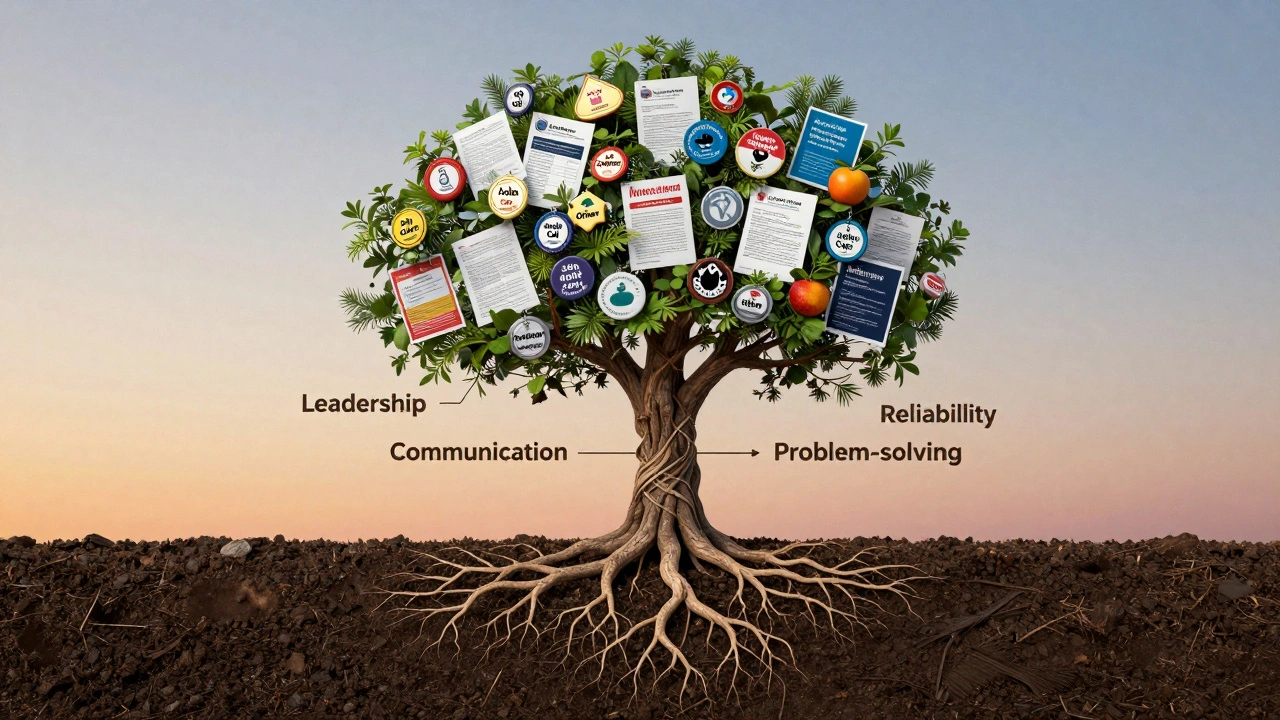
- Leadership: Organizing a campus charity run? You managed budgets, scheduled volunteers, and handled last-minute cancellations. That’s project management.
- Communication: Tutoring refugee children in English? You adapted your teaching style for different learning levels. That’s customer service and emotional intelligence.
- Problem-solving: Running a donation drive that fell short? You redesigned the outreach strategy and doubled participation. That’s innovation under pressure.
- Reliability: Showing up every Saturday for six months to help at an animal shelter? That’s discipline employers can’t teach.
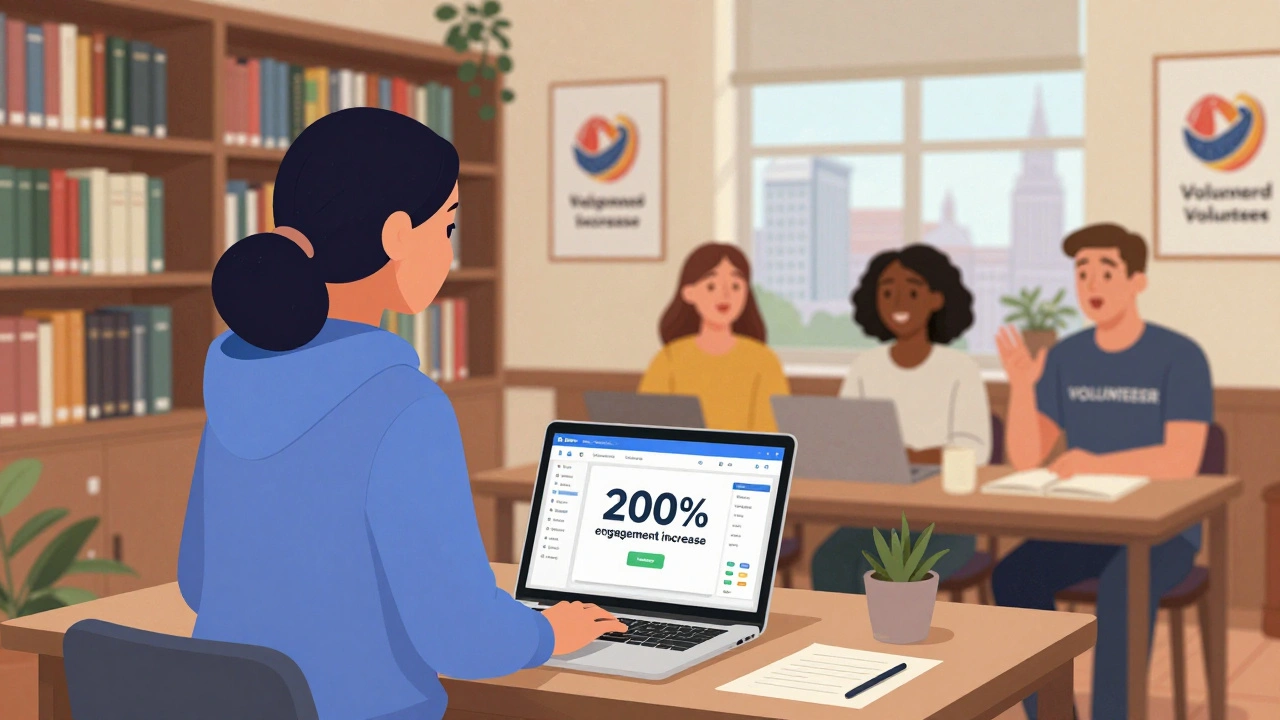
One student from Manchester applied for a marketing role with no prior work experience. Her CV listed: "Coordinated weekly outreach for a local youth homelessness charity, increased social media engagement by 200% in three months, trained 12 new volunteers." She got the job. The employer said, "She didn’t just talk about teamwork-she proved it."
How to Turn Volunteering into CV Gold
Not all volunteer roles are created equal. The best ones give you measurable outcomes, transferable skills, and clear responsibilities. Here’s how to pick and present them right.
- Choose roles that mirror the job you want. Applying for a tech internship? Volunteer to build a website for a nonprofit. Want to work in healthcare? Help at a hospice or community clinic. Don’t just pick what feels "nice"-pick what builds your story.
- Track your impact. Numbers stick. "Helped serve meals" becomes "Served 150+ meals weekly, reducing food waste by 30% through improved inventory tracking." Even small wins count if they’re specific.
- Use action verbs. Don’t say "Was part of a team." Say "Led," "Designed," "Managed," "Trained," "Implemented." These words trigger recognition in applicant tracking systems.
- Put it in the right section. If you have no paid work experience, create a "Volunteering and Community Engagement" section right after your education. If you’ve held jobs, include volunteering under a separate heading but make it just as detailed.
- Link it to your personal statement. In your cover letter or application essay, mention one volunteering experience and explain what it taught you about the role. Employers remember stories, not lists.
Where to Find Meaningful Volunteering Opportunities in the UK
You don’t need to fly across the country to make an impact. Most universities have dedicated volunteering offices that partner with local charities. Here are some proven options:
- Student-led societies: Many universities have societies like "Volunteering Hub," "Pro Bono Law," or "STEM Outreach." These are low-pressure, structured, and often offer certificates.
- Big Society Network: A UK-wide platform connecting students with local projects in education, environment, and social care. Over 400 universities participate.
- Volunteer Now (Northern Ireland), Volunteer Scotland, and Time Bank (Wales): Regional portals with vetted opportunities tailored to student schedules.
- Local libraries and community centers: Often need help with tech tutoring, reading programs, or event planning. Less competitive than big charities, and easier to get started.
One student from Glasgow started by helping at her local library with digital literacy sessions. After six months, she was managing a team of four volunteers and designing workshops. She later used that experience to land a role at a tech startup focused on adult education.
Common Mistakes to Avoid
Not all volunteering helps your CV. Here’s what to skip:
- One-off events. A single day of beach cleanup doesn’t show commitment. Stick with roles that last at least three months.
- Generic descriptions. "Helped out at a charity" tells employers nothing. Be specific about tasks, tools used, and results.
- Overloading your CV. Listing ten short-term gigs looks scattered. Pick two or three deep experiences instead.
- Ignoring soft skills. If you worked with elderly people, say so. If you handled conflict between volunteers, mention it. These are gold in interviews.
Volunteering Beyond the CV
Yes, it helps you get hired. But it also changes how you see yourself.
Many students who volunteer for a year report feeling more confident, less stressed about job hunting, and more connected to their community. One survey by the University of Edinburgh found that students who volunteered regularly were 40% less likely to report burnout during exam season.
It’s not magic. It’s practice. Volunteering is the training ground for real work-without the pressure of a paycheck. You learn how to lead, how to listen, how to adapt. Those skills don’t show up on transcripts. But they show up in interviews.
Final Thought: It’s Not About the Title, It’s About the Impact
You don’t need to be the president of a charity to impress employers. You just need to do something real, stick with it, and reflect on what it taught you. A student who spent six months organizing book drives for rural schools and wrote a report on literacy gaps in their region had more impact than someone who interned at a corporate office for three weeks.
Employers aren’t looking for perfect resumes. They’re looking for people who care enough to show up, even when no one’s watching. That’s what volunteering proves.
Does volunteering count as work experience on a UK CV?
Yes, absolutely. Many UK employers treat volunteering as equivalent to work experience, especially for students and recent graduates. When listed clearly with responsibilities and outcomes, it’s often viewed as stronger than generic part-time jobs because it shows initiative and purpose. The key is to describe it like a job: use action verbs, include metrics, and state your role.
How long should I volunteer to make it worth listing on my CV?
Aim for at least three months of consistent involvement. Shorter stints can be mentioned in a cover letter, but for your CV, depth matters more than length. Six months or more shows commitment. Even 10 hours a week over six months is more impressive than 50 hours in one weekend.
Can I volunteer remotely and still make it count?
Yes, remote volunteering is increasingly common and valued. Examples include managing social media for a nonprofit, translating documents, tutoring online, or helping with data entry. Just be sure to describe your tasks clearly and quantify results where possible-like "Managed Twitter account, grew followers by 1,200 in four months." Remote work proves self-discipline and tech fluency, both highly valued.
Should I volunteer in my field of study?
It helps, but it’s not required. If you’re studying engineering, volunteering with a local robotics club is ideal. But if you’re studying psychology and volunteer at a homeless shelter, that’s still powerful-it shows empathy, communication, and crisis response skills. Employers care more about transferable skills than direct relevance.
Do I need a reference from my volunteering role?
You don’t need to list references on your CV, but always ask for one. A short email reference from a charity coordinator saying you were reliable and effective can be invaluable in interviews. Many UK employers ask for volunteer references when they’re unsure about a candidate’s soft skills. Keep one on file.