
Every year, thousands of UK students pack their bags and head overseas to volunteer. They want to make a difference, see the world, and build experience. But not all volunteer programs are created equal. Some do real good. Others just look good on a CV. And the costs? They can sneak up on you fast.
What Volunteer Travel Actually Looks Like
Most UK students think volunteer travel means teaching kids in a rural school or building wells in Africa. That’s partly true. But the reality is messier. Many programs are run by for-profit companies that charge £1,500-£3,500 for a 2-week placement. That’s more than a round-trip flight to Thailand. And what are you really doing? In some cases, you’re replacing paid local workers. In others, you’re doing tasks that could be handled by someone with local training.
A 2023 study from the University of Edinburgh looked at 120 volunteer programs used by UK students. It found that 43% of placements involved tasks that locals were already qualified to do. That’s not helping-it’s displacing. Ethical volunteering doesn’t mean showing up with a t-shirt and a camera. It means asking: Who benefits here? And who’s being paid?
How to Spot an Ethical Project
Here’s how to tell if a program is actually doing good:
- Local leadership: Is the project run by a local nonprofit? Or is it a UK-based company with a ‘partner’ overseas? If the local team has no decision-making power, walk away.
- Long-term impact: Are they building a school that will last 20 years? Or just painting a classroom for a photo op? Ask for project timelines. If they can’t give you a 3-year plan, it’s probably performative.
- Transparency: Can they show you financial reports? Do they publish volunteer-to-local-staff ratios? Ethical programs don’t hide their numbers.
- Skills match: Are you a biology student? Then maybe helping with a wildlife rehab center makes sense. Are you a history major with zero medical training? Then don’t sign up for a ‘health clinic’ in Nepal.
One of the best examples is Voluntary Service Overseas (VSO) a UK-based nonprofit that places skilled volunteers in long-term roles with local partners across Africa, Asia, and the Pacific. They don’t send untrained students to teach. They send people with real expertise-teachers, nurses, engineers-and train them first. The average placement lasts 12 months. Costs? Around £1,200 for flights and insurance. Living expenses are covered.
Costs You Can’t Ignore
Most programs list a ‘donation fee.’ That’s a polite word for price tag. Here’s what you’re actually paying for:
| Cost Component | Low End | High End | Notes |
|---|---|---|---|
| Program Fee | £800 | £4,200 | Covers admin, accommodation, training |
| Flights | £400 | £1,200 | Depends on destination and timing |
| Visa & Vaccines | £50 | £300 | Some countries require multiple shots |
| Insurance | £100 | £250 | Must cover medical evacuation |
| Food & Local Transport | £150/month | £400/month | Often included in program fee |
| Total (4 weeks) | £1,400 | £6,000+ | Most programs run 2-8 weeks |
Some programs claim they’re ‘all-inclusive.’ Read the fine print. Does that include meals? Or just dorm food? Does ‘accommodation’ mean a shared room with a fan? Or a private room with AC? One student in Ghana paid £2,800 for a 6-week program-only to find out the ‘housing’ was a hostel with no running water.
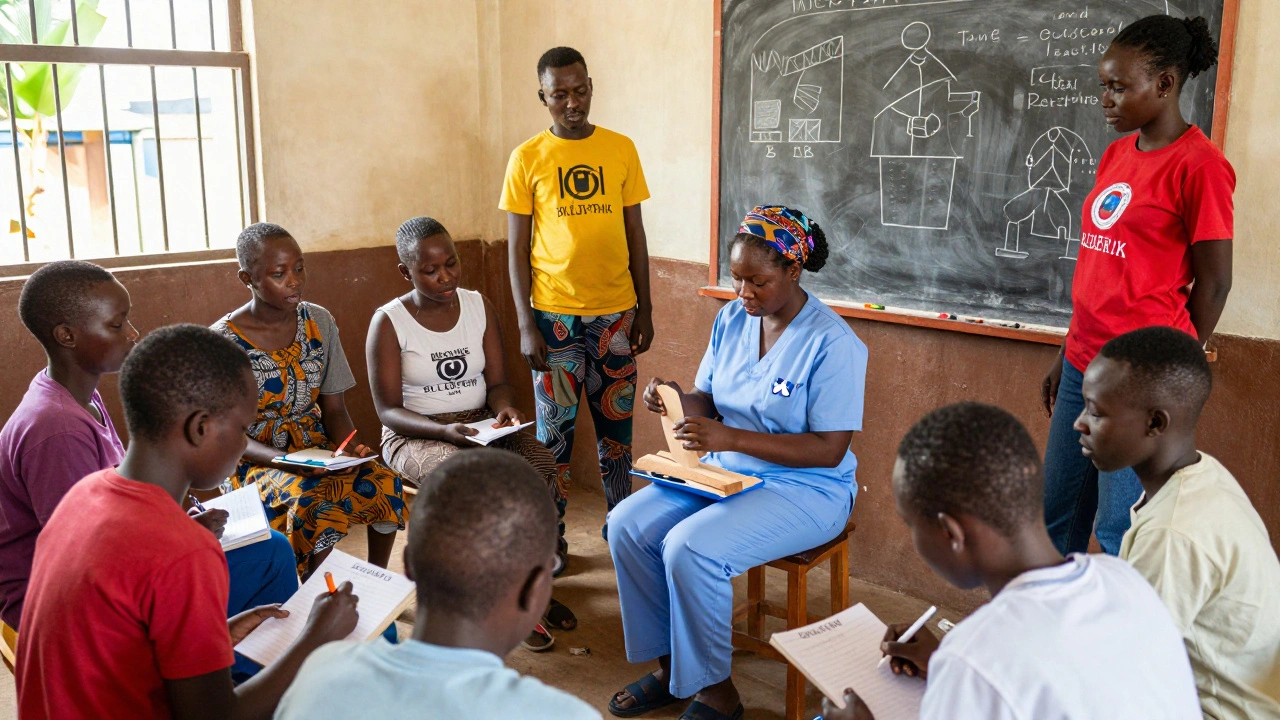
Hidden Costs and Risks
There are costs you won’t see on the brochure:
- Lost income: If you’re skipping a summer job to volunteer, you’re losing £1,500-£3,000 in wages. That’s real money.
- Health risks: In some countries, tap water isn’t safe. Vaccines like typhoid and hepatitis A are essential. Skipping them saves £50 now but could cost £10,000 later in treatment.
- Emotional toll: Working with children in poverty or disaster zones without proper support can lead to burnout or trauma. Ethical programs offer counseling. Cheap ones don’t.
- University credit: Some UK universities won’t recognize volunteer time as academic credit unless it’s through a pre-approved partner. Check with your student office before you go.
Where to Find Real Opportunities
Forget the flashy websites with smiling kids and Instagram filters. Here are three trusted sources:
- Voluntary Service Overseas (VSO) A UK charity with over 60 years of experience. Places skilled volunteers in long-term roles. No fees for volunteers.
- Projects Abroad A commercial provider with ethical standards. Offers structured training and local partnerships. Transparent pricing.
- Student Volunteer Network (SVN) A UK student-run nonprofit that connects students with grassroots NGOs. Costs under £500, mostly for flights.
Also check your university’s international office. Many have partnerships with NGOs that offer free or low-cost placements. The University of Manchester, for example, has a program in rural Kenya where students assist with community health education. No fee. Just a £300 flight contribution.

What to Do Before You Go
Don’t just book a flight. Do this:
- Ask the organization: "How do you measure impact?" If they say "We get lots of photos," walk away.
- Call a past volunteer. Use LinkedIn. Ask: "Was your work actually needed?"
- Check the Volunteer Forever ethical checklist (available free online). It’s used by UK universities.
- Get travel insurance that covers medical evacuation. Don’t trust the program’s insurance-it’s often minimal.
- Learn five phrases in the local language. It shows respect. And it changes how people treat you.
Is It Worth It?
Yes-if you do it right. Volunteering abroad can change how you see the world. But it shouldn’t be a gap-year selfie opportunity. The best experiences come when you’re quiet, listen more than you speak, and leave space for local people to lead.
One student from Leeds volunteered with a women’s literacy group in rural Bangladesh. She didn’t teach English. She helped translate local stories into digital archives. The project now has 12,000 recordings. No one took a photo of her. But she came back with a new career path-and a deep understanding of what real change looks like.
Are volunteer programs for UK students regulated?
No, there’s no official UK government regulation for international volunteer programs. That’s why it’s up to you to research. Look for organizations registered as charities with the UK Charity Commission. Check their annual reports. Avoid any that don’t publish financial data.
Can I get funding or scholarships for volunteer travel?
Yes. Many UK universities offer small grants for ethical volunteering. The National Union of Students (NUS) has a fund for students from low-income backgrounds. Also check charities like the Rotary Club and the Prince’s Trust. Some programs waive fees if you fundraise £500+ for their local partner.
What’s the minimum age to volunteer abroad?
Most programs require volunteers to be 18 or older. Some allow 16-17-year-olds with parental consent, but only if they’re part of a school group or have a trained supervisor. Never sign up alone if you’re under 18. The risks are too high.
Do I need a visa to volunteer?
It depends on the country and how long you’re staying. For short stays (under 90 days), many countries allow tourism visas for volunteer work. But if you’re staying longer or doing paid work (even unpaid), you may need a volunteer visa. Always check the embassy website. Don’t rely on the program provider-they might not know.
What if I get sick or have an emergency?
Get travel insurance that includes medical evacuation before you leave. Make sure your policy covers pre-existing conditions. Know the local emergency number. Keep a list of nearby hospitals. Ethical programs have 24/7 support. Cheap ones don’t. If you’re unsure, ask for their emergency protocol in writing.