
When you're a student in the UK, juggling rent, utilities, internet, and maybe even a gym membership isn’t just about budgeting-it’s about survival. Many students turn to direct debits to handle these recurring bills, and for good reason. But not everyone understands how they really work, or what can go wrong. If you’re thinking about setting up direct debits for your housing costs, here’s what you need to know-straight from real student experiences, not just theory.
How Direct Debits Actually Work for Students
A direct debit lets a company take money from your bank account automatically on a set date. For students, this usually means rent going out on the 1st of every month, gas and electricity on the 15th, and broadband on the 20th. The setup is simple: you give permission to your landlord or utility provider to pull funds, and your bank handles the rest. No reminders. No late fees. No chasing invoices.
It’s not magic-it’s automation. But that’s exactly why it’s powerful. A 2024 survey by the UK Student Finance Authority found that 78% of students who used direct debits for rent paid on time every month, compared to just 43% who paid manually. The difference? Consistency. When money leaves automatically, you can’t forget. And when you’re juggling lectures, part-time work, and social life, that’s a huge relief.
The Real Benefits: More Than Just Convenience
- Lower bills: Many providers give discounts for direct debit payments. Gas and electricity companies often offer 5-10% off if you pay this way. That’s £30-£60 a year saved on a single bill.
- No late fees: Miss a payment? You’ll get hit with a £15-£30 penalty. With direct debits, that just doesn’t happen.
- Peace of mind: Your landlord won’t nag you. Your energy supplier won’t cut you off. And you won’t wake up at 3 a.m. wondering if you paid the water bill.
- Better budgeting: Because the amounts are fixed, you can plan your spending around them. If rent is £550 and internet is £20, you know exactly how much you need to have left after your student loan hits.
One student in Manchester told me she saved £120 last year just from the energy discount. She didn’t even notice it-because the money was taken before she had a chance to spend it. That’s the hidden power of direct debits: they make saving effortless.
The Hidden Pitfalls: What No One Tells You
It’s not all smooth sailing. There are three big traps students fall into-and they’re easy to miss until it’s too late.
1. Variable Amounts Sneak Up on You
Some bills, like electricity or water, don’t have fixed monthly charges. Your provider estimates your usage, then adjusts the direct debit every few months. That’s fine-unless your estimate was way too low. Then you get hit with a big bill at the end of the year. One student in Leeds got a £320 top-up charge after her provider realized she’d been underpaid by £80 a month for six months.
How to avoid it: Check your statement every month. If your usage is higher than usual (like during winter), call your provider and ask them to increase your direct debit. Don’t wait for the surprise.
2. Overdrafts from Poor Timing
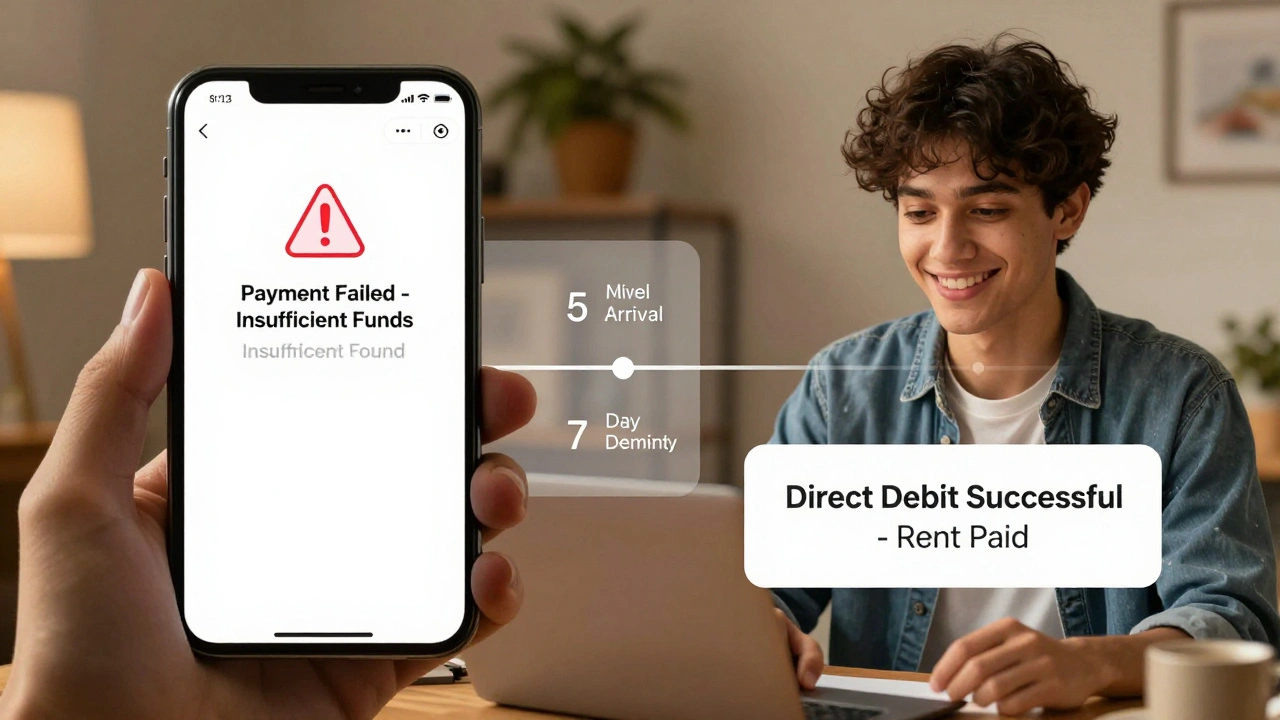
Student loans usually arrive in three installments: September, January, and April. If your rent is due on the 1st and your loan hits on the 5th, you’re already in the red. That’s fine if you’ve got savings-but most students don’t. So when three direct debits hit on the 1st, and your loan hasn’t cleared yet? Your bank says no. You get charged £5-£10 per failed payment. And if your rent payment fails? Your landlord might start eviction proceedings.
How to avoid it: Time your direct debits after your loan arrives. If your loan hits on the 5th, set rent for the 7th. Use your bank’s app to see exactly when funds clear. Some banks even let you schedule payments to go out only after your income arrives.
3. Canceling Is Harder Than You Think
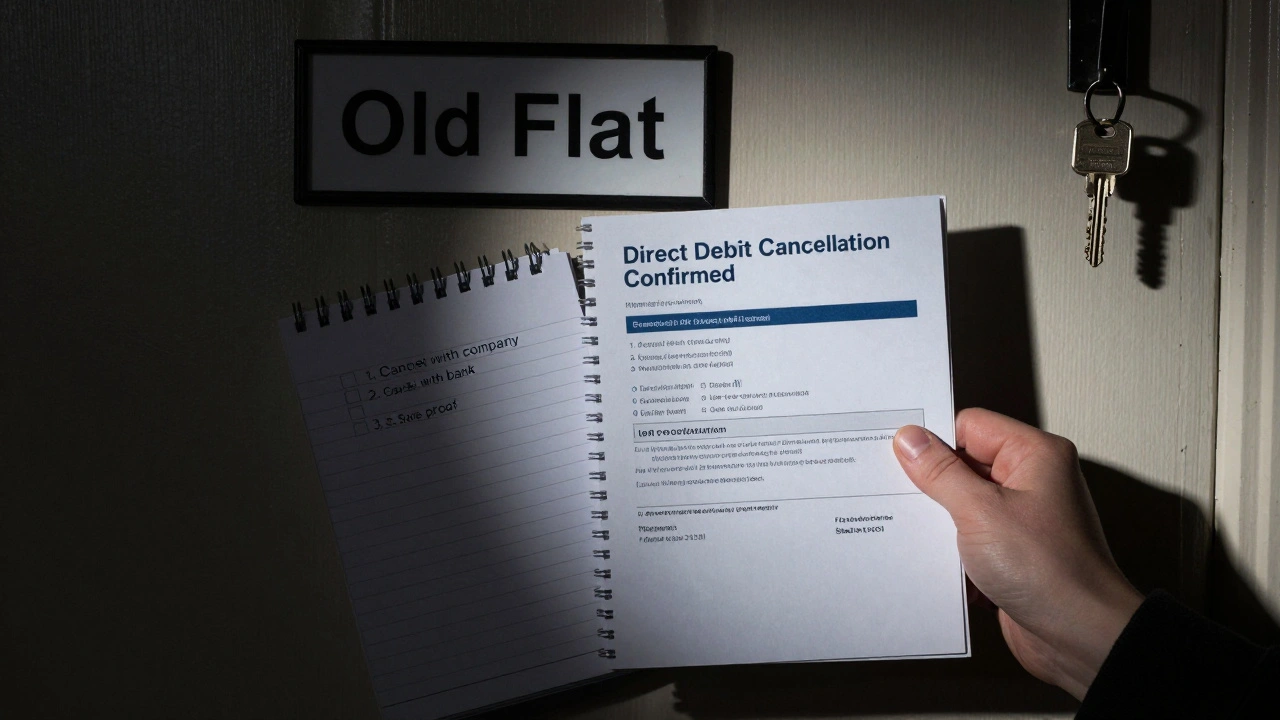
You think you can cancel a direct debit anytime. You can. But if you cancel without telling the company, they’ll keep trying to take the money. And if they can’t? They’ll send you a reminder. Then a letter. Then a collection notice. One student in Glasgow canceled her internet direct debit after moving out, but forgot to tell the provider. Three months later, she got a £180 bill-and it went to a debt collector.
How to avoid it: Always cancel directly with the company and with your bank. Get confirmation in writing. Email is fine. Screenshot the confirmation. Keep it.
What You Should Do: A Real Student Checklist
- Set up all bills as direct debits-rent, utilities, internet, TV license. Even if you’re not sure you can afford it, start with the minimum.
- Time payments after your loan. Don’t let rent hit before your student money arrives.
- Check your direct debit amounts monthly. If your energy usage spikes, adjust the payment. Don’t wait for a surprise.
- Use a separate current account for bills. Keep your loan money in one account, and your direct debit account in another. This stops you from spending your rent money.
- Keep proof of cancellation. If you move out, email the company: "I’m canceling my direct debit as of [date]. Please confirm in writing." Save it.
What Happens If You Mess Up?
If a direct debit fails, your bank will usually let you know. But they won’t fix it for you. You’ll need to:
- Pay the missed amount immediately-plus any late fees.
- Contact the company and ask if they’ll waive the fee. Many will, especially if it’s your first time.
- Set up a new payment date that works with your income cycle.
Don’t ignore it. Missed payments can affect your credit score-even as a student. And if you ever need a loan, a mortgage, or even a phone contract later, that tiny black mark could cost you.
Who Shouldn’t Use Direct Debits?
Not everyone should use them. If you:
- Struggle to track your spending
- Have unpredictable income (e.g., casual work)
- Often overdraw your account
…then direct debits might make things worse. In that case, try automatic savings transfers instead. Set up a weekly transfer from your main account to a separate "bills" account. Then pay manually. It’s less automatic, but it forces you to stay aware of your money.
Final Thought: It’s Not About Automation-It’s About Control
Direct debits aren’t about letting companies take your money. They’re about giving yourself control. When you know exactly when and how much will leave your account, you can plan your life around it. You can say yes to a weekend trip, a new book, or a meal out-because you’re not worried about rent being late.
The key isn’t just setting them up. It’s staying on top of them. Check your statements. Adjust your payments. Know your dates. That’s what separates students who survive from those who drown in bills.
Can I cancel a direct debit if I move out?
Yes, but you must cancel it with both your bank and the company you’re paying. If you only cancel with your bank, the company will still try to take the money and may send you a bill later. Always get written confirmation from the company that the cancellation is complete. Keep a screenshot or email as proof.
Do direct debits affect my credit score?
Only if you miss payments. A single failed direct debit won’t show up on your credit report right away, but repeated failures can. If a bill goes unpaid for 30+ days and gets sent to collections, it will hurt your score. Even as a student, this matters-you might need a loan or a phone contract after graduation.
Can I use direct debits with a student bank account?
Yes, and most student accounts encourage it. Many banks even offer perks like fee-free overdrafts or cashback if you set up direct debits. Just make sure your account has enough funds when payments are due. Student accounts often have higher overdraft limits, but that doesn’t mean you should rely on them.
What if my direct debit amount changes unexpectedly?
Your provider must give you at least 10 days’ notice before changing the amount. If they don’t, you can dispute the payment and ask your bank to refund it. Always check your statements. If your energy bill jumps from £40 to £70 without warning, call the provider immediately. They may have overestimated your usage.
Should I use direct debits for everything, or just rent?
Use them for everything you can. Rent, utilities, internet, TV license, even your gym membership. The more you automate, the less you have to think about. Just make sure your income covers all payments. If you’re unsure, start with rent and one other bill, then add more as you get comfortable.