
It’s 11 PM on a Tuesday. Your laptop is open, but you’re scrolling through social media instead of reading the chapter due tomorrow. You know you should start, but something in your brain is hitting the brakes. This isn’t just laziness; it’s a complex interaction between your emotions and your tasks. Understanding university procrastination is the first step to breaking the cycle that keeps you up late and stressed out.
The Real Reason You Delay Tasks
Most students think they procrastinate because they lack discipline or are lazy. That’s a myth. Procrastination is actually an emotion-regulation problem. When a task feels boring, difficult, or ambiguous, your brain perceives it as a threat. To avoid the immediate negative feeling (anxiety, boredom, fear of failure), you choose a short-term pleasure (scrolling, gaming, napping). The relief you feel is real, which reinforces the behavior.
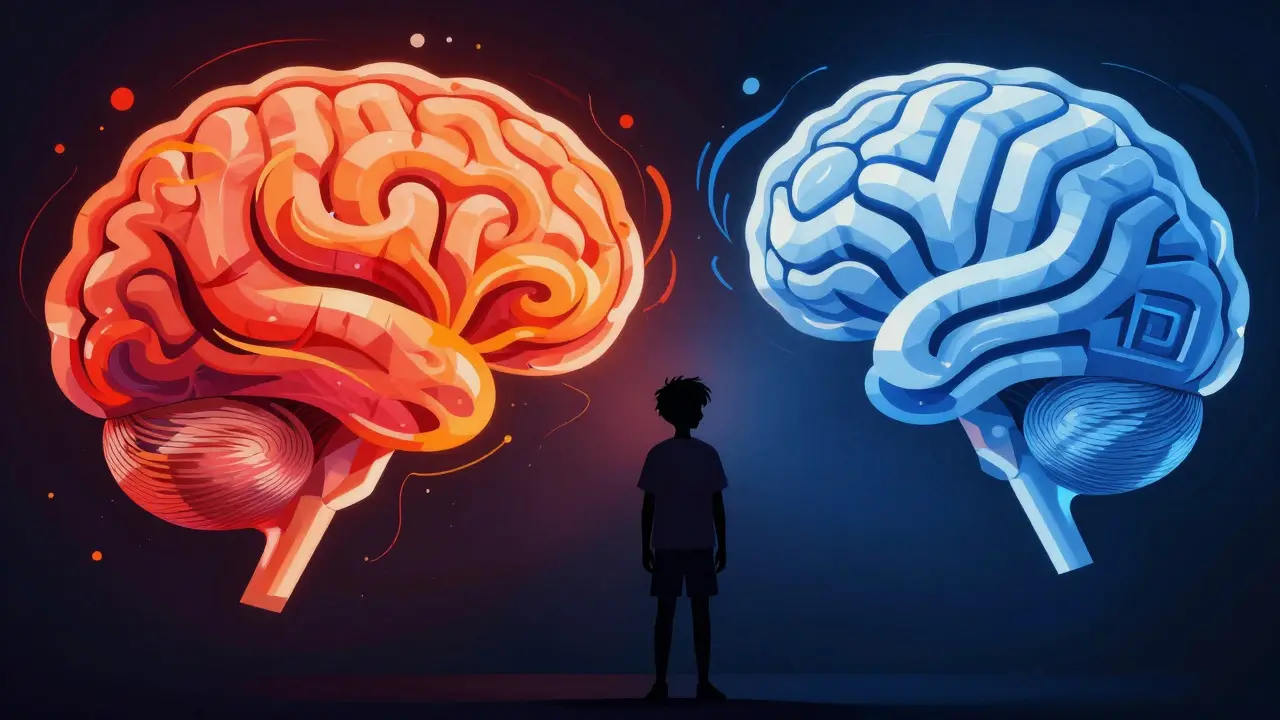
This process involves two key parts of your brain: the limbic system (which handles emotions and impulses) and the prefrontal cortex (which handles planning and long-term goals). In high-stress university environments, the limbic system often wins the battle. You don't lack willpower; you're fighting against millions of years of evolutionary biology designed to conserve energy and avoid discomfort.
Common Triggers for Student Delay
Not all procrastination looks the same. Identifying your specific trigger helps you target the solution. Here are the most common culprits among university students:
- Perfectionism: You wait until the last minute because you’re afraid the work won’t be perfect. If you can’t do it perfectly, you’d rather not do it at all.
- Ambiguity: The assignment instructions are vague. You don’t know where to start, so you freeze.
- Boredom: The material feels irrelevant or dry. Your brain seeks stimulation elsewhere.
- Fear of Failure: If you don’t try hard, you can blame the result on lack of effort. If you try hard and fail, it’s about your ability.
Practical Strategies to Break the Cycle
You don’t need to overhaul your entire life to stop procrastinating. Small, tactical changes work best. Try these evidence-based techniques:
- Use the 5-Minute Rule: Tell yourself you only have to work for five minutes. Often, starting is the hardest part. Once you begin, momentum takes over.
- Break Tasks into Micro-Steps: Instead of “Write essay,” write “Open document” and “Write one sentence.” Vague tasks cause paralysis; specific tasks invite action.
- Pomodoro Technique: Work for 25 minutes, then take a 5-minute break. This creates a sense of urgency and prevents burnout.
- Remove Distractions Physically: Put your phone in another room. Use website blockers. Friction is your friend when it comes to bad habits.
Environment Design for Productivity
Your environment shapes your behavior more than you realize. If your bedroom is associated with sleep and relaxation, trying to study there creates internal conflict. Create a dedicated workspace, even if it’s just a specific corner of a table. Associate that spot with work. When you sit down there, your brain starts shifting into “focus mode.”
Also, consider the “social accountability” factor. Studying alone makes it easy to drift. Joining a study group or sitting in a library where everyone else is working leverages conformity. Seeing others work reduces the psychological permission to slack off.
| Myth | Reality | Strategy |
|---|---|---|
| I’m lazy | I’m emotionally overwhelmed | Manage feelings, not just time |
| I work better under pressure | Pressure causes stress and lower quality | Create artificial deadlines |
| I need motivation | Motivation follows action | Start small, build momentum |

When Procrastination Becomes a Problem
Occasional delay is normal. Chronic procrastination can lead to chronic stress, lower grades, and mental health issues like anxiety or depression. If you find yourself constantly missing deadlines, feeling paralyzed by simple tasks, or experiencing physical symptoms (headaches, stomach issues) before exams, it might be time to seek help. University counseling centers offer free sessions specifically for study skills and stress management. There’s no shame in asking for tools to manage your workload.
Building Long-Term Habits
Overcoming procrastination isn’t a one-time fix; it’s a skill you build. Start by tracking your time for one week. Notice when you procrastinate and what triggered it. Then, apply one strategy from above. Consistency matters more than intensity. A little bit of focused work every day beats a frantic all-nighter every week. Your future self will thank you for the calm, not the chaos.
Is procrastination a sign of ADHD?
Not necessarily. While ADHD often includes executive function challenges that look like procrastination, many people without ADHD also struggle significantly. If you have consistent difficulties with focus, organization, and impulse control across multiple areas of life (not just school), it may be worth discussing with a professional.
How long should I study before taking a break?
The Pomodoro technique suggests 25 minutes of work followed by a 5-minute break. However, some people prefer longer blocks, like 50 minutes on and 10 minutes off. Experiment to find what keeps your mind fresh without losing momentum.
Does music help with studying?
For most people, instrumental music or white noise can help block out distracting sounds. Lyrics, however, can interfere with verbal processing, especially if you’re reading or writing. Try both and see which leads to better retention and focus for you.
What if I’ve already missed a deadline?
Don’t spiral. Contact your professor immediately. Most instructors appreciate honesty and communication over silence. Explain the situation briefly, propose a new timeline, and show that you’re taking responsibility. This builds trust and often results in a manageable extension.
How can I stay motivated during long semesters?
Motivation fades; discipline remains. Focus on systems rather than goals. Set up daily routines that make starting easy. Celebrate small wins. Connect your current work to your long-term career or personal interests to maintain a sense of purpose.