Key Takeaways
- City universities offer immediate access to jobs, nightlife, and diverse culture but can feel fragmented.
- Campus universities provide a tighter-knit community and a more traditional "college experience."
- Size affects everything from class interaction to the time it takes to get to a lecture.
- Your personality-whether you're an extrovert seeking chaos or an introvert seeking a sanctuary-should drive the decision.
The City University Experience
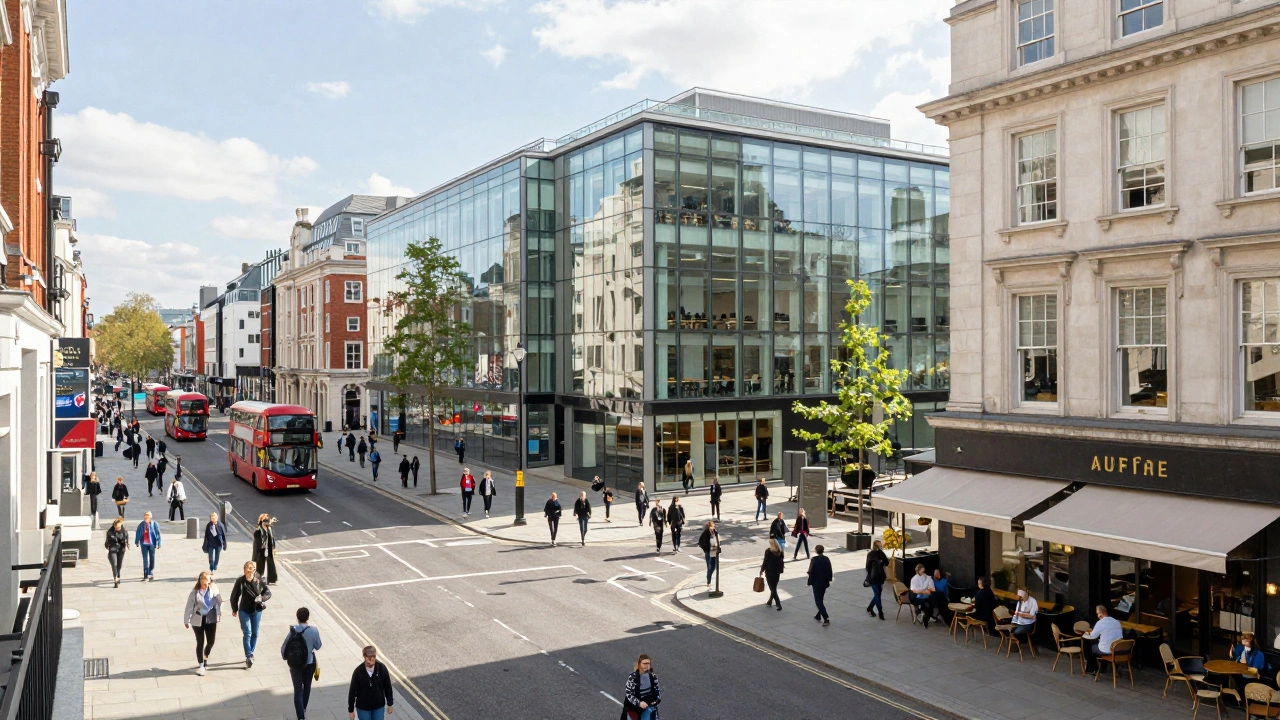
Imagine walking out of a lecture hall and immediately being on a high street filled with coffee shops, bookstores, and thousands of people who aren't students. That's the hallmark of a City University is an institution where academic buildings are integrated into the urban fabric of a city, rather than being isolated on a single plot of land. These universities are common in places like London or Manchester.
When you study in a city, the city is your campus. You might have your library in one neighborhood and your labs in another, requiring a bus or a brisk walk to get between them. This setup pushes you to be independent quickly. You aren't just a student; you're a resident of a major hub. The biggest draw here is the "proximity to power." If you're studying finance in London, you're a short tube ride away from the Canary Wharf district. If you're into arts, the galleries are your playground.
However, there's a trade-off. The "student bubble" is thinner here. You'll share your space with working professionals, tourists, and locals. While this is great for maturity, it can sometimes feel lonely if you don't actively seek out student societies, as there isn't a single central hub where everyone naturally congregates.
The Traditional Campus University
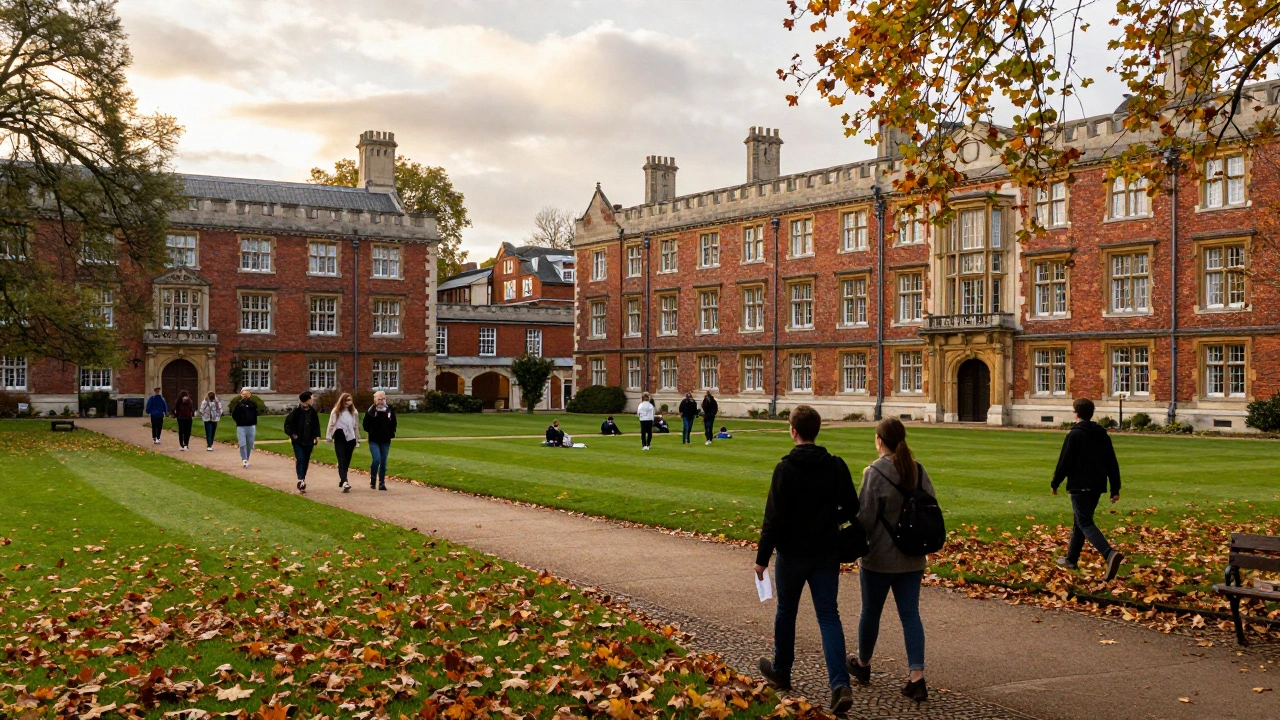
On the flip side, we have the Campus University is a university where the majority of academic buildings, student housing, and social facilities are located within a defined, self-contained area. Think of places like the University of Warwick or many of the institutions in Nottingham.
Life on a campus is immersive. You can literally roll out of bed in your dorm, walk five minutes to a dining hall, and another five to your seminar without ever leaving university property. This creates a high-density social environment. You'll likely meet more people in a single week on a campus than you would in a month in a city center because your paths cross constantly at the gym, the student union, or the campus cafe.
The downside? The "bubble" can feel suffocating. When your entire social circle consists of other 19-year-olds and your only scenery is the same three quadrants of grass and brick, you might start to feel disconnected from the real world. If the local town is small, you'll find that every student in the city is fighting for the same three pubs on a Friday night.
Breaking Down the Size Factor
Size isn't just about acreage; it's about the scale of your daily interactions. A massive university with 30,000 students is a completely different beast than a specialized college with 3,000. In a large institution, you have an incredible array of resources-specialized libraries, diverse sports clubs, and a huge variety of elective modules. But you also risk becoming a number. You might be in a first-year lecture hall with 400 other people, and the professor may not know your name until your final year project.
Smaller universities offer a more intimate atmosphere. You'll likely have a closer relationship with your tutors and a more tight-knit cohort. This can be a massive advantage for those who thrive on mentorship and feedback. The risk here is the "fishbowl effect"-everyone knows your business, and it can be harder to reinvent yourself if you're unhappy with your initial social group.
| Feature | City University | Campus University |
|---|---|---|
| Social Life | Integrated with city; diverse crowds | Student-centric; high density |
| Commute | Public transport / walking urban streets | Short walks within a closed area |
| Industry Links | Immediate access to corporate hubs | Often requires travel to the nearest city |
| Atmosphere | Fast-paced, independent, anonymous | Community-focused, supportive, cohesive |
| Cost of Living | Generally higher (rent and transport) | Often more affordable on-site options |
Matching Your Lifestyle to the Location
To figure out which one is right for you, stop looking at the league tables for a second and look at your own habits. Are you someone who gets energy from the crowd? Do you love the idea of unplanned adventures, like stumbling upon a popup art gallery or a late-night jazz club? If so, a UK university location in a major city like London, Birmingham, or Leeds will fuel you. You'll thrive in the chaos and appreciate the autonomy of navigating a metropolis.
Alternatively, if you find large crowds draining and prefer a sanctuary where you can focus on your studies without the distractions of a city center, a campus environment is your best bet. If you've always wanted that "classic" university experience-where the Student Union is the heart of your world and you can walk to class in your pajamas-go for the campus.
Consider your academic goals too. If you are pursuing a degree in Performing Arts or Fashion, being in a city center isn't just a preference; it's a strategic advantage. You are closer to the theaters, the studios, and the agencies. If you are studying Environmental Science or Agriculture, a campus with extensive grounds and proximity to rural areas is far more valuable.
Common Pitfalls to Avoid
One of the biggest mistakes students make is assuming a "campus university" means it's in the middle of nowhere. Some campus universities are actually located on the edge of cities, meaning you get the best of both worlds-a cohesive campus for living and a 15-minute bus ride to a major city for fun. Always check the map. Don't just look at the photos of the manicured lawns; look at the distance to the nearest train station.
Another trap is the "city prestige" lure. People often pick London because it sounds impressive on a CV. While the prestige is real, the cost of living can be brutal. You might find yourself working a part-time job 20 hours a week just to afford a tiny room in a shared house, which ironically leaves you with no time to actually enjoy the city you moved to. Balance the prestige against the practicalities of your budget.

The Hybrid Model
It's worth noting that many UK institutions are now "hybrids." They might have a main campus on the outskirts of town but keep a few key faculty buildings in the city center. For example, a university might have its sports facilities and dorms in a quiet leafy area, but its Law school in the heart of the city. This allows students to experience different environments depending on their year of study or their specific major.
If you find a hybrid, ask current students about the "split." Is the commute between the campus and the city center a chore, or is it a seamless part of the day? Does the student body feel divided between the "city crowd" and the "campus crowd," or is there a healthy mix of both?
Is it harder to make friends at a city university?
Not necessarily, but it requires more effort. In a campus setting, you bump into people naturally. In a city, you have to be proactive. Joining Student Societies and attending orientation events are crucial because you won't have the "forced proximity" of a shared campus to do the work for you.
Which location is better for employment opportunities?
Generally, city universities provide easier access to internships and networking events due to their physical proximity to businesses. However, many campus universities have extremely strong corporate partnerships and dedicated career hubs that bring employers to the campus, so the gap is smaller than it seems.
Are campus universities safer than city ones?
Campus universities often feel safer because they are controlled environments with university security. City universities are subject to the general safety of the city. That said, most UK cities are very safe for students, and city universities have robust support systems to ensure student wellbeing.
Does the size of the university affect the quality of teaching?
Not directly, but it affects the style of teaching. Larger universities often have more resources and specialized equipment, but smaller ones typically offer more one-on-one time with professors. Both can provide a top-tier education; it just depends on whether you prefer a lecture-style environment or a seminar-style approach.
What should I look for in a virtual tour?
Don't just look at the buildings. Check the surrounding area on a map. Look for the nearest grocery stores, pharmacies, and public transport links. See how far the walk is from the typical student accommodation to the library. This gives you a realistic sense of your daily routine.
Next Steps for Your Decision
If you're still torn, try this: make a list of your "non-negotiables." If you can't stand the idea of taking a bus to get to your classes, cross city universities off your list. If you know you'll get bored in a small town within six months, prioritize the urban hubs. For those who are truly undecided, visiting an Open Day is the only way to feel the "vibe." A place can look great on a website, but you'll know within ten minutes of stepping on the ground whether it feels like home or just a place to study.
For the budget-conscious, look into the Student Loans Company (SLC) guidelines on maintenance loans for different regions. Living in London usually grants you a higher loan amount to offset the expensive rent, but even then, a campus university in the North of England might allow you to live more comfortably with the same amount of money.