Imagine walking across a stone bridge in the dead of winter, surrounded by hundreds of students holding candles. Or picture yourself rowing down a river that has hosted one of the world's oldest sporting rivalries for nearly two centuries. This isn't just a movie scene; it is the reality of campus life at many British universities.
If you think higher education is just about lectures and exams, you are missing half the story. The United Kingdom boasts some of the oldest academic institutions on Earth, and with age comes tradition. These rituals are not merely dusty relics kept alive by stubborn historians. They are vibrant, often chaotic, and deeply meaningful events that define the identity of each campus. From the ancient halls of Oxford and Cambridge to the modern hubs of Manchester and Edinburgh, these annual events create a sense of belonging that textbooks simply cannot provide.
The Ancient Rivalry: Oxford vs. Cambridge
When people talk about Oxford University and Cambridge University, they rarely separate them. Collectively known as "Oxbridge," these two institutions share a history that stretches back over six hundred years. But their relationship is defined less by collaboration and more by competition. This rivalry fuels some of the most iconic traditions in British academia.
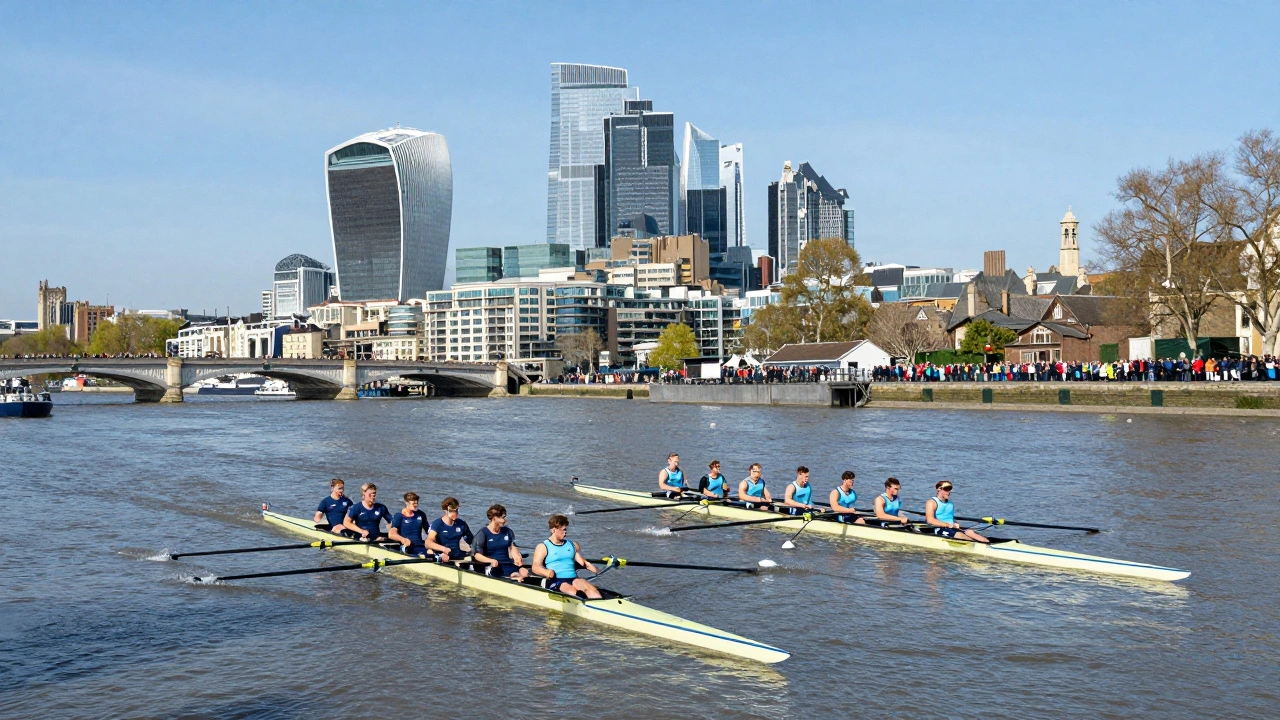
The crown jewel of this competition is the The Boat Race. Held every Easter weekend on the River Thames in London, this head-to-head rowing match between the men's and women's crews of Oxford and Cambridge draws millions of viewers worldwide. It is not just a sport; it is a spectacle of endurance and pride. For the students involved, training for months to represent their college is a defining moment of their university experience. The atmosphere along the course is electric, with fans from both sides creating a sea of blue (Cambridge) and dark blue/black (Oxford).
But the rivalry doesn't stop at the water. There is also the "Henley Regatta" connection, where alumni compete, and various intellectual debates known as "The Challenge." These events reinforce a unique social fabric where academic excellence is matched by athletic prowess and social wit. For a student, participating in or even watching these events provides a tangible link to the past while forging new friendships in the present.
Oxford’s Quirky Calendar: May Day and Ashmolean Bonfire
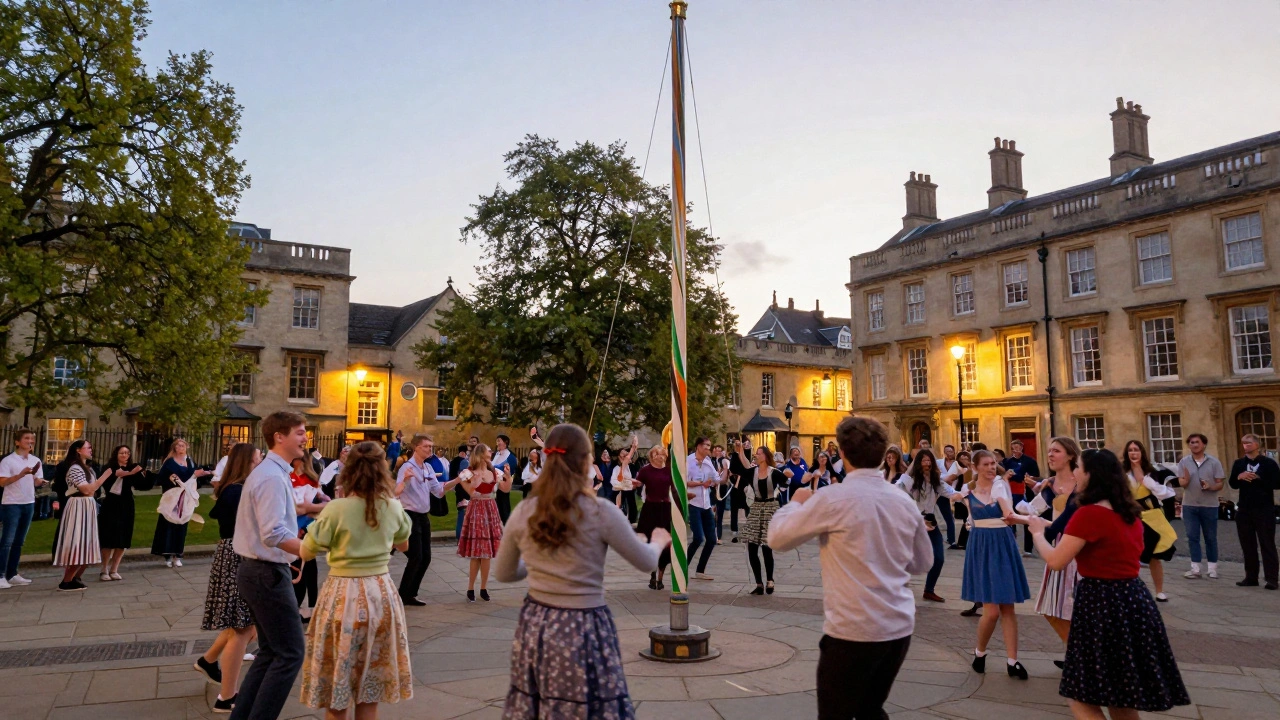
Oxford University has a calendar packed with events that seem plucked from a medieval fairy tale. One of the most famous is May Day. Unlike the labor holiday celebrated in many other countries, Oxford's May Day is a celebration of spring and local folklore. On May 1st, thousands of students gather in St Giles' to sing traditional folk songs, dance around the maypole, and celebrate the arrival of warmer weather. It is a joyful, communal event that breaks the monotony of exam season.
Then there is the darker, yet equally fascinating, Ashmolean Bonfire. Held annually in November, this event commemorates the survival of the Ashmolean Museum during the English Civil War in 1648. Students build a massive bonfire in the museum's courtyard, which burns late into the night. It is accompanied by music, food, and a general sense of revelry. This tradition highlights how Oxford students connect with their city's history, turning a military siege into a party.
Another peculiar tradition is the "Bodleian Library Torchlight Procession." Though less frequent now, historically, students would carry torches through the streets of Oxford to celebrate the opening of new library wings or special anniversaries. These visual spectacles remind everyone that knowledge in Oxford is something to be carried forward, literally and figuratively, with light and ceremony.
Cambridge’s Punting and Formal Halls
While Oxford is loud and boisterous, Cambridge University tends to be slightly more reserved, though no less traditional. The backdrop here is the River Cam, which serves as the lifeblood of student social life. Punting-gliding along the river in a flat-bottomed boat-is the quintessential Cambridge activity. While tourists do it too, for students, it is a rite of passage. Colleges often organize punting trips where seniors teach freshmen how to navigate the currents without capsizing. It is a bonding experience that mixes relaxation with mild panic.
Equally important are the "Formal Halls." In both Oxford and Cambridge, but particularly steeped in ritual at Cambridge, dining is not just eating. It is a ceremony. Students must wear gowns (sub-fusc) and sit at long tables in their college dining halls. The meal consists of multiple courses, served in silence until a toast is proposed. You might hear phrases like "The grace is said" or "To the health of the College." It sounds stiff, but it creates a shared language and etiquette that binds generations of students together. Breaking these rules can lead to humorous, if awkward, corrections from older members of the college.
Scottish Spirit: Hogmanay and Burns Night
Move north to Scotland, and the traditions change flavor entirely. University of Edinburgh students embrace the robust cultural heritage of Scotland. The most significant event is Hogmanay, the Scottish New Year celebration. Edinburgh’s Hogmanay is one of the largest street parties in the world. For university students, this means weeks of planning, volunteering, and ultimately, celebrating with tens of thousands of people. It is a massive logistical undertaking that teaches students about community organization and public safety, all while having a blast.
Another key tradition is Burns Night, held on January 25th to honor the poet Robert Burns. Almost every student union and society hosts a Burns Supper. The menu is strict: haggis, neeps, and tatties (turnips and potatoes). The evening includes reciting poetry, singing "Auld Lang Syne," and giving speeches. It might sound old-fashioned, but it is incredibly popular. It gives students a chance to practice public speaking and engage with literature in a fun, informal setting. Plus, it’s an excuse to eat haggis, which is a serious culinary adventure for many international students.
The University of Glasgow also has its own flair. The "Glasgow University Union" is one of the largest student unions in Europe, and its events reflect the city's vibrant arts and music scene. Traditions here are less about ancient rituals and more about contemporary activism and creativity. The "Glasgow Student Festival" showcases talent in drama, music, and debate, emphasizing the university's strong reputation in the humanities.
Modern Metros: Manchester, Leeds, and Bristol
Not all UK traditions are centuries old. Universities in larger cities like University of Manchester, University of Leeds, and University of Bristol have developed cultures that reflect their urban environments. These traditions are often centered around sports, music, and student union politics.
In Manchester, the "Varsity Match" against the University of Salford or rival northern universities is a huge deal. But beyond sports, the city's music heritage influences campus life. Student radio stations, like Radio Manc, play a crucial role in campus culture, providing platforms for student DJs and journalists. The tradition here is one of media engagement and creative expression.
Leeds is known for its lively nightlife and strong student union. The "Leeds University Union" hosts some of the biggest club nights in the country. The tradition here is social integration. With a large international student population, events are designed to mix cultures. Food festivals, cultural week celebrations, and charity fundraisers are staples. The "Leeds Christmas Market" takeover by students is a notable annual event where students sell crafts and food, blending commerce with community spirit.
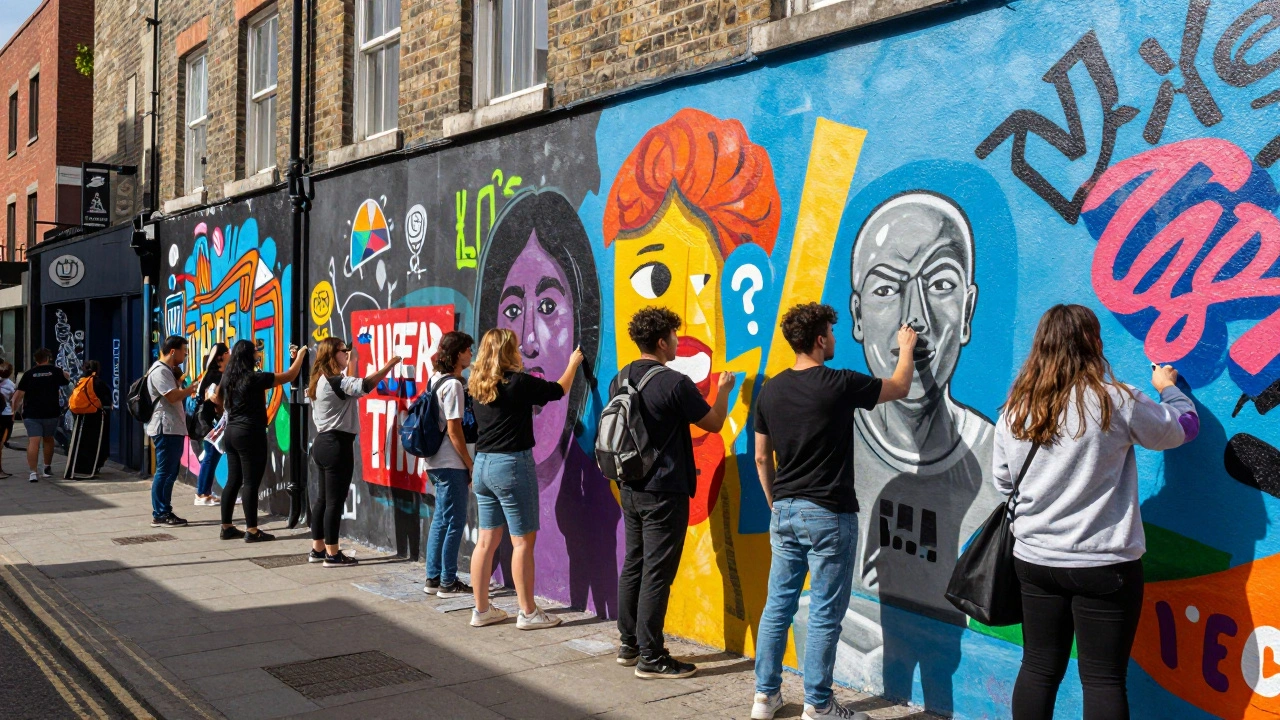
Bristol, with its quirky artistic vibe, sees traditions like the "Upfest" street art festival, where students contribute to murals across the city. The University of Bristol also has a strong tradition of political activism, dating back to the 1960s. Debates, protests, and social justice campaigns are woven into the fabric of student life. Here, tradition means staying engaged with current issues.
Why These Traditions Matter
You might wonder why any of this matters. Why spend time on bonfires, rowing races, and formal dinners? The answer lies in mental health and community building. University life can be isolating, especially for those far from home. Traditions provide a ready-made social network. They give students a shared experience to talk about, laugh about, and remember.
These events also foster leadership skills. Organizing a May Day celebration or a Burns Supper requires budgeting, marketing, logistics, and team management. Students learn these soft skills in real-world scenarios. Moreover, these traditions instill a sense of pride and belonging. When you wear your college gown or sing your university song, you are part of something larger than yourself. This emotional connection can boost motivation and resilience during tough academic periods.
| University | Key Tradition | Timing | Nature of Event |
|---|---|---|---|
| Oxford | May Day | May 1st | Folk songs, dancing, community gathering |
| Oxford | Ashmolean Bonfire | November | Historical commemoration, party |
| Cambridge | The Boat Race | Easter Weekend | Sporting rivalry, rowing |
| Cambridge | Formal Hall Dining | Weekly | Ritualistic dining, gown-wearing |
| Edinburgh | Hogmanay | December 31st | New Year street party, massive scale |
| Glasgow/Edinburgh | Burns Night | January 25th | Poetry, haggis, speeches |
| Bristol | Upfest / Activism | Spring | Street art, political engagement |
How to Participate as a New Student
If you are heading to a UK university soon, don't worry about knowing all the rules. No one expects you to. The best way to get involved is to say yes. If someone invites you to a punting trip, go. If your college has a formal hall, try it once. Even if it feels awkward at first, you will likely find others who feel the same way.
Join a society related to the tradition. Want to understand May Day? Join the Folk Society. Interested in the Boat Race? Join the Rowing Club, even if you just want to watch. Attend the Freshers' Fair at the start of the term. This is where you will find out what events are happening and who is organizing them. Most importantly, keep an open mind. Some traditions are silly, some are serious, and all of them are opportunities to meet people.
Are these traditions mandatory for students?
No, none of these traditions are mandatory. They are voluntary social events. However, participating is highly encouraged as it helps with integration and making friends. Some colleges may have specific requirements for formal hall attendance, but these are usually flexible for new students.
Do I need to buy special clothes for these events?
For most events, casual clothing is fine. However, for Formal Halls at Oxford and Cambridge, you will need to purchase or rent academic gowns (sub-fusc). These are usually sold by the college bookshop. For May Day or Hogmanay, comfortable shoes and warm clothes are recommended due to outdoor activities.
Can international students participate in these traditions?
Absolutely. International students are welcomed and encouraged to join. Many traditions, like Burns Night or May Day, are great ways to experience British culture. Societies often have dedicated committees to help international students feel included and explain the context of these events.
What if I don't like the traditional events?
That's perfectly fine. UK universities have diverse student bodies with varied interests. If you prefer modern events, look into sports clubs, music societies, gaming groups, or volunteer organizations. The student union will have a wide range of options that may suit your personality better.
How much do these events cost?
Many traditions are free or low-cost. May Day, for example, is free to attend. Formal Halls may have a small fee for the meal, often subsidized by the college. Special events like the Boat Race viewing might require tickets if you want a prime spot, but watching from the banks is free. Always check with your college or society for specific pricing.