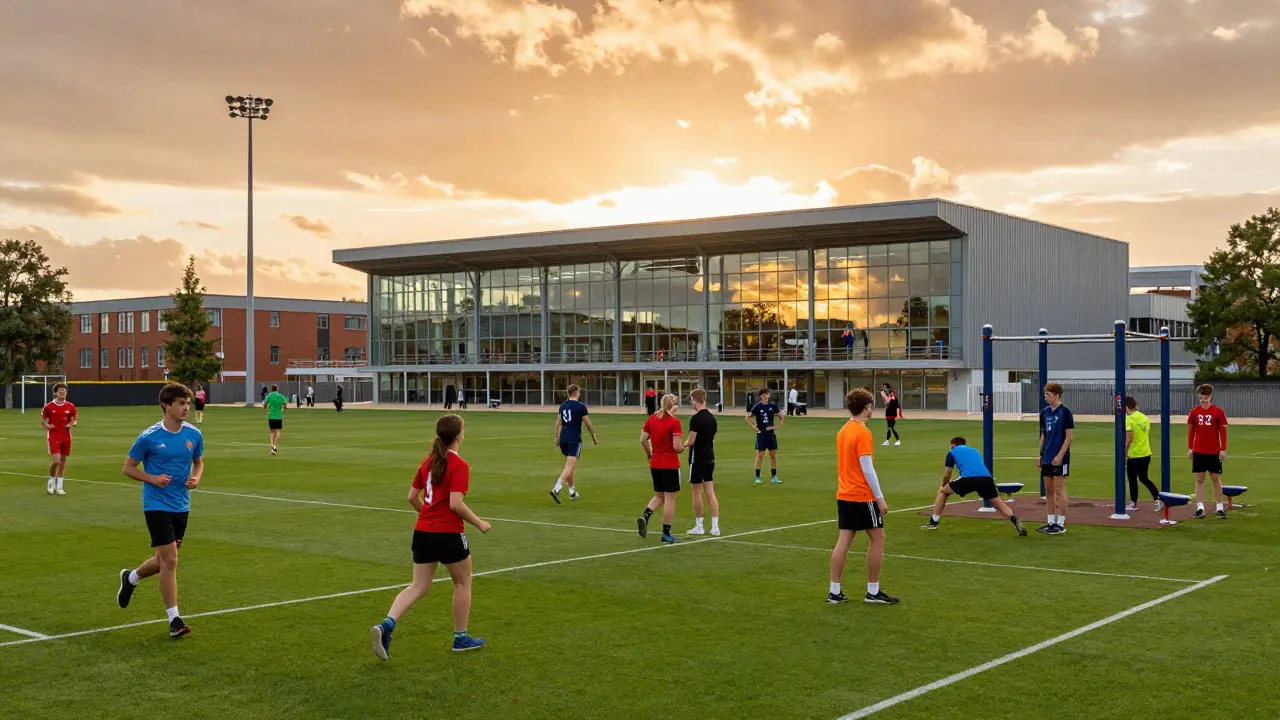
You are about to spend the next three to four years of your life in a specific place. For many students, the decision isn't just about lecture halls or accommodation costs; it's about where you will sweat, compete, and build friendships after class. If you are serious about sport, the quality of British Universities & Colleges Sport (BUCS) the governing body for university sport in Great Britain that organizes national championships and maintains performance records performance is a critical factor. Ignoring this can lead to disappointment when you arrive on campus only to find outdated equipment or no pathway to competitive play.
Why BUCS Rankings Matter More Than Brochures
University marketing departments love glossy photos of shiny new stadiums. But brochures rarely tell you if the team actually wins medals or if the facility is open late enough for you to use it. BUCS provides the raw data that strips away the marketing fluff. The organization tracks participation rates, medal counts, and facility standards across hundreds of institutions in the UK. When you look at a university's standing in the BUCS league tables, you are looking at a verified history of athletic output. A high ranking usually indicates not just talent, but institutional support-meaning coaches, funding, and maintenance budgets are actually allocated to the sports department rather than being an afterthought.
Decoding the Facility Standards
Not all gyms are created equal. When evaluating Campus Fitness Facilities on-site physical training centers provided by universities for student use, you need to look beyond the square footage. BUCS assesses facilities based on specific criteria including equipment variety, safety certifications, and accessibility. Here is what to look for in the detailed reports:
- Equipment Age and Variety: Does the center have modern cardio machines, or are they from the early 2000s? Is there a dedicated strength zone with heavy-duty racks?
- Specialized Spaces: Are there swimming pools, indoor courts for badminton or squash, or climbing walls? These niche facilities often separate top-tier schools from average ones.
- Opening Hours: This is crucial. Many student gyms close at 10 PM or 11 PM. If you study late, check if the facility offers extended hours or 24/7 access during term time.
- Staffing Levels: Are there qualified instructors on the floor to demonstrate techniques, or is it a self-service model with minimal supervision?
The Role of Student Clubs and Societies
Varsity teams get the headlines, but Student Sports Clubs independent groups within universities that organize recreational and competitive activities are where most students actually engage. A university might have a weak rugby team but a thriving hiking society or a massive e-sports club. BUCS also tracks club participation numbers, which serve as a proxy for social integration. If a university has over 50 active sports clubs, it suggests a vibrant culture where finding your tribe is easy. Look for universities that subsidize club travel and equipment. Some schools provide full kits for members, while others expect you to buy everything yourself. This financial support significantly lowers the barrier to entry for expensive sports like rowing or fencing.

Comparing Top-Tier Institutions
To help you visualize the differences, consider how top-ranked universities typically compare in their sports offerings. The table below highlights common distinctions between elite performers and mid-table institutions in the BUCS context.
| Feature | Elite BUCS Performer | Mid-Table Institution |
|---|---|---|
| National Medals per Year | Consistently 100+ gold/silver/bronze | Variable, often under 30 |
| Gym Access | 24/7 or extended late-night hours | Standard 8 AM - 10 PM |
| Coaching Support | Dedicated full-time coaches for major sports | Part-time staff or student-led sessions |
| Club Funding | Subsidized travel and kit for 50+ clubs | Limited grants, member-funded operations |
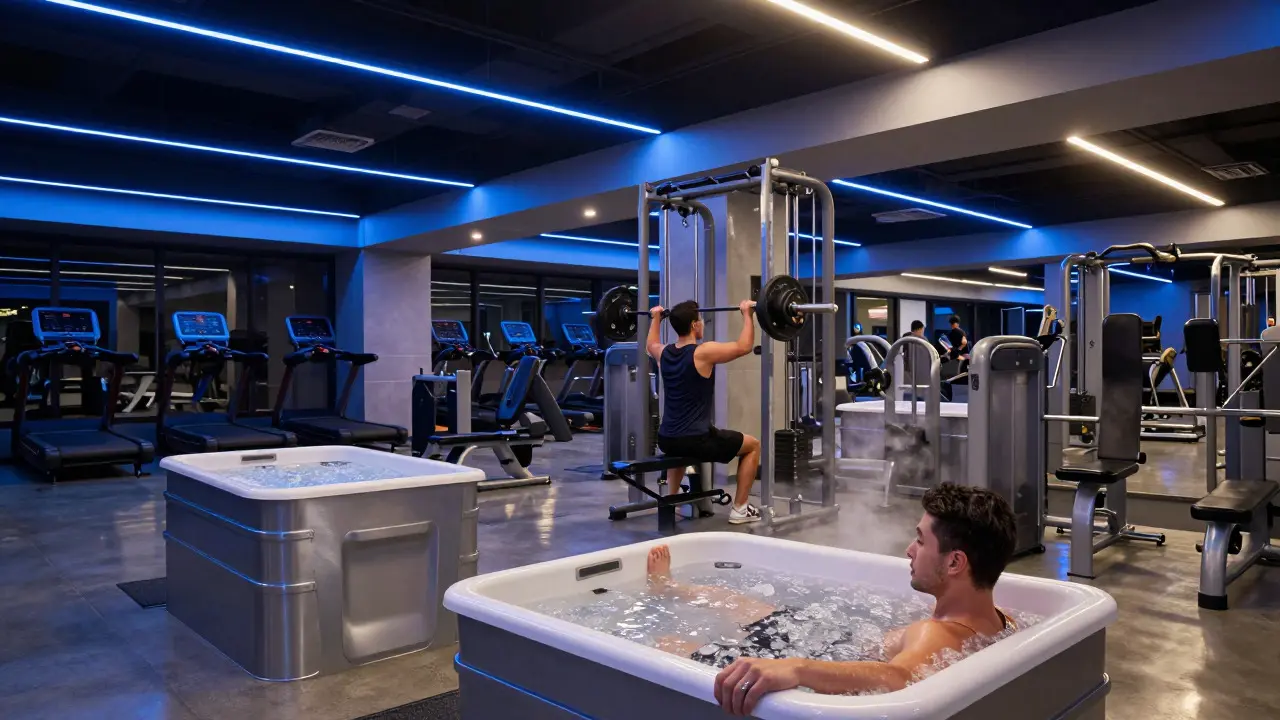
| Recovery Facilities | Saunas, ice baths, physio suites | Basic changing rooms only |
Notice that "Recovery Facilities" is a key differentiator. In recent years, recovery has become as important as training. If you are involved in high-impact sports, having access to professional physiotherapy or hydrotherapy pools on campus saves money and improves performance. Mid-table schools often lack these amenities, forcing students to pay for private treatments off-campus.
How to Verify Current Status
Rankings change year to year. A university that was top ten five years ago may have fallen due to budget cuts or leadership changes in the sports department. Always check the latest annual BUCS report before making your final decision. Additionally, reach out to current students in the specific sports societies you are interested in. Ask them direct questions: "Do you have to wait for equipment?" "Is the coaching consistent?" "Are the facilities clean and well-maintained?" Their answers will give you a ground-level view that no official document can provide. Remember, the best university for you is the one where you feel supported both academically and athletically, ensuring your college years are balanced and fulfilling.
What is BUCS and who does it cover?
British Universities & Colleges Sport (BUCS) is the governing body for university sport in Great Britain. It covers higher education institutions in England, Wales, and Northern Ireland, organizing national championships and maintaining performance data for thousands of student athletes.
Do I need to be an elite athlete to join a university sports club?
No. Most student sports clubs are open to everyone regardless of skill level. While varsity teams require tryouts, recreational clubs focus on participation and socializing. You can start playing a sport for the first time at university without prior experience.
Are university gyms included in tuition fees?
In most cases, yes. Basic access to the main campus gym is typically included in your tuition or accommodation package. However, premium features like personal training, specialized classes, or access to additional satellite gyms may cost extra.
How do I find the latest BUCS rankings for a specific sport?
You can visit the official BUCS website and navigate to their 'Results' or 'League Tables' section. They publish detailed breakdowns by sport, gender, and institution annually, allowing you to see exactly where each university stands in disciplines like athletics, football, or swimming.
Does a high BUCS ranking guarantee good facilities?
It is a strong indicator but not a guarantee. High rankings usually reflect sustained investment in coaching and infrastructure. However, always verify current facility conditions through virtual tours or student reviews, as maintenance issues can arise even at top-performing institutions.