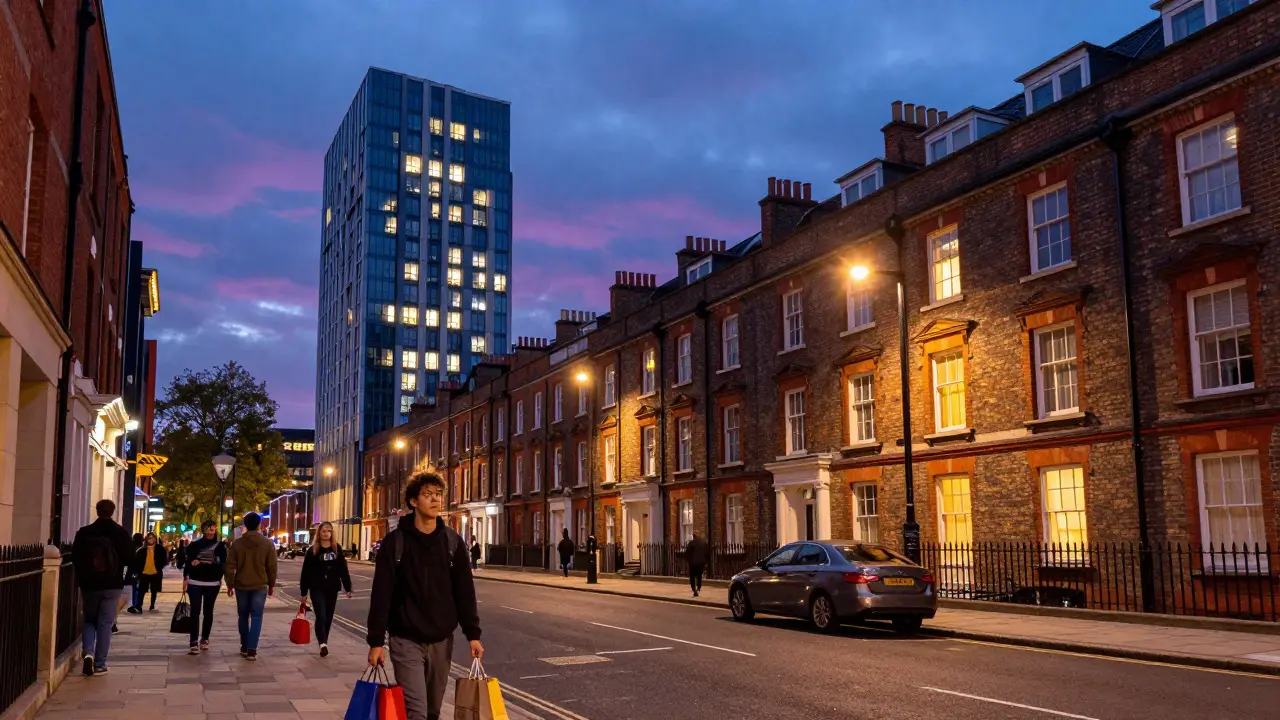
Choosing a university is about more than just course rankings. It’s about whether you can actually afford to live there without eating out every night or skipping meals. The cost of living in UK university cities varies wildly. You might pay £400 a month for a room in Newcastle, but that same budget gets you a tiny closet in London. Understanding these differences isn't just good advice; it's the difference between finishing your degree with savings and graduating with debt.
The Big Four Expense Categories
To budget effectively, you need to break down your monthly spend into four main buckets: accommodation, food, transport, and social/lifestyle. These make up roughly 90% of a student's budget. If you get these right, the rest falls into place.
- Accommodation: This is usually your biggest fixed cost. It includes rent, bills (electricity, gas, water, internet), and sometimes council tax (though most full-time students are exempt).
- Food & Groceries: Cooking at home saves money, but how much do you actually eat? A realistic estimate is £150-£250 per month if you cook most meals.
- Transport: Do you need a car? Probably not. Most students rely on buses, trains, or walking. Student discounts on rail travel can save significant amounts.
- Social & Lifestyle: Subscriptions (Netflix, Spotify), gym memberships, nights out, and clothes. This is the flexible category where you can cut back if needed.
City Comparison: Where Your Money Goes Further
Not all UK cities are created equal when it comes to price tags. Here’s a snapshot of what you can expect in different regions. Note that these are average estimates for a single person sharing accommodation.
| City | Accommodation (£/month) | Groceries (£/month) | Total Estimated Monthly Budget (£) |
|---|---|---|---|
| London | £800 - £1,200 | £250 | £1,300 - £1,700 |
| Bristol | £600 - £800 | £220 | £1,000 - £1,300 |
| Manchester | £500 - £700 | £200 | £900 - £1,200 |
| Newcastle upon Tyne | £400 - £550 | £180 | £750 - £1,000 |
| Aberdeen | £450 - £600 | £190 | £800 - £1,050 |
Notice the gap? Living in London can cost nearly double what it does in Newcastle. If your scholarship or family support covers a fixed amount, choosing a cheaper city gives you breathing room for books, trips, or emergencies.
Accommodation: The Make-or-Break Factor
Accommodation is the variable you have the most control over. You have three main options: university halls, private renting, or staying with friends/family.
- University Halls: Often the most expensive, but they come with perks like included bills, cleaning services, and built-in social networks. For first-year students, this is often worth the premium for the convenience and safety.
- Private Renting: Sharing a flat with 3-5 other people is the standard way to reduce costs. In cities like Manchester or Leeds, you can find rooms for under £500 including bills. However, you’re responsible for finding housemates, signing contracts, and handling repairs.
- Staying Home: If you live near a university, commuting can slash your accommodation costs to zero. Just factor in daily travel expenses, which can add up over a semester.
Pro tip: Always check if "bills included" means everything. Some listings include electricity but charge separately for internet or heating. Read the fine print.

Food and Daily Expenses: How to Stretch Your Pound
Food prices in the UK have risen steadily. A basket of basic groceries (milk, bread, eggs, rice, pasta, vegetables) now costs around £100-£150 per week for one person if you buy from discount supermarkets like Aldi or Lidl. Premium stores like Waitrose or M&S will cost significantly more.
Cooking is non-negotiable if you want to stay within budget. Eating out twice a week at a mid-range restaurant can easily add £100 to your monthly bill. Instead, try batch cooking. Spend two hours on Sunday making pasta sauce, soups, and curries, and you’ll have meals ready for the week.
Hidden Costs to Watch Out For
Beyond the big four, there are smaller expenses that sneak up on you.
- Books and Materials: Many courses require textbooks. Check if your university library has digital access or if previous students sell used copies.
- Healthcare: As an international student, you may need to pay the Immigration Health Surcharge (IHS). Domestic students use the NHS, which is free at point of use, but prescriptions still cost money unless you qualify for exemptions.
- Phone and Internet: Mobile plans start at around £15-£20 per month. If your accommodation doesn’t include Wi-Fi, budget another £20-£30 for a home broadband plan.
- Travel to/from Home: If you’re visiting family during breaks, train tickets can be pricey. Look for advance purchase discounts or consider driving if feasible.

How to Build Your Personal Budget
Here’s a simple framework to create your own monthly budget before you commit to a university.
- Calculate Your Fixed Income: Add up your tuition fee loan, maintenance loan, scholarship, and any family support. This is your total available cash per term.
- Subtract Fixed Costs: Deduct accommodation rent and essential bills. What’s left is your discretionary spending.
- Allocate Discretionary Funds: Split the remainder into Food, Transport, Social, and Savings/Emergency. Aim to keep at least 10% in savings.
- Track Everything for One Month: Use a simple app or spreadsheet. See where your money actually goes. Adjust as needed.
If your discretionary funds drop below £200 per month after rent and food, you’re likely in a high-cost city or overextended. Consider looking at cheaper cities or adjusting your lifestyle expectations.
Frequently Asked Questions
Is it cheaper to study in the UK or the US?
Generally, the UK offers shorter degrees (3 years vs 4), which can reduce total tuition and living costs over time. However, individual city costs vary widely in both countries. Compare specific cities rather than national averages.
Do I need to pay Council Tax as a student?
Most full-time students are exempt from Council Tax. However, if you share a home with non-students, the liability can fall on them. Check with your local council to confirm your status.
Which UK cities are the most affordable for students?
Cities like Newcastle, Leeds, Liverpool, and Glasgow tend to be more affordable than London, Bristol, or Oxford. Northern England and Scotland generally offer lower accommodation costs.
How much should I budget for food per month?
A reasonable budget is £150-£250 per month if you cook most meals at home using discount supermarkets. Eating out regularly will increase this significantly.
Can I work while studying to cover living costs?
Yes, domestic students can work unlimited hours. International students on a student visa are typically limited to 20 hours per week during term time and full-time during holidays. Part-time work can help offset living expenses.