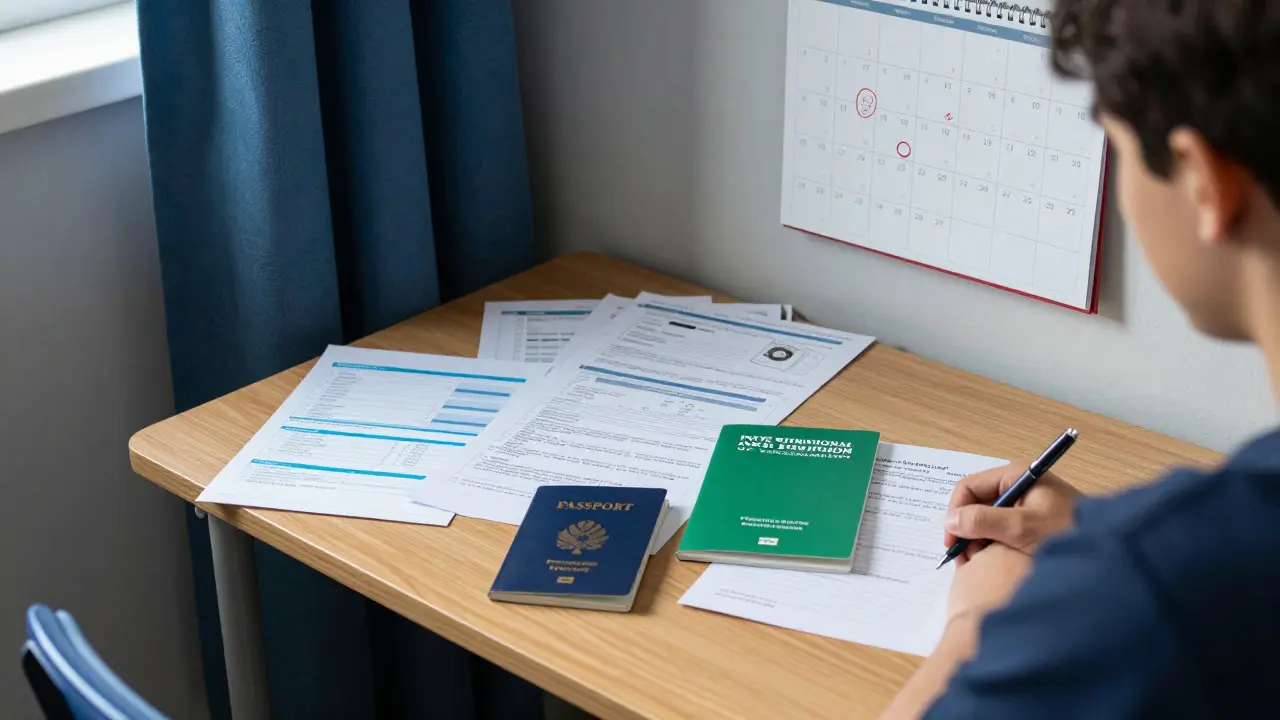
Missing a flight because you didn't get your yellow fever shot on time is a nightmare scenario. But for UK students planning to study abroad or travel for holidays, vaccination logistics are often the most overlooked part of the trip. It’s not just about grabbing a booster before you leave; it’s about understanding which shots apply to your specific destination, how long they take to work, and what your university might require upon your return.
This guide breaks down the practical side of travel vaccinations for students in the United Kingdom. We’ll look at the specific requirements for common destinations, the critical timeline for getting immunized, and how to navigate the National Health Service (NHS) system without breaking the bank. Whether you’re heading to Southeast Asia for a summer internship or South America for a semester exchange, here is how to handle your health prep correctly.
Key Takeaways
- Timing is everything: Most vaccines need 4-8 weeks to become effective, so book appointments at least two months before departure.
- Check entry rules vs. health risks: Some countries require proof of vaccination (like Yellow Fever), while others only recommend it for personal safety (like Typhoid).
- NHS clinics are the primary route: University health services often refer you to local NHS travel clinics rather than administering all shots themselves.
- Keep digital and physical records: Carry both a paper International Certificate of Vaccination and a digital copy in case of border control checks.
- University policies vary: Some institutions require up-to-date MMR and Hepatitis B records before allowing enrollment in international programs.
Understanding the Two Types of Travel Vaccines
Before booking an appointment, it helps to understand that there are two distinct categories of vaccines you might need. Confusing these can lead to unnecessary costs or missed deadlines.
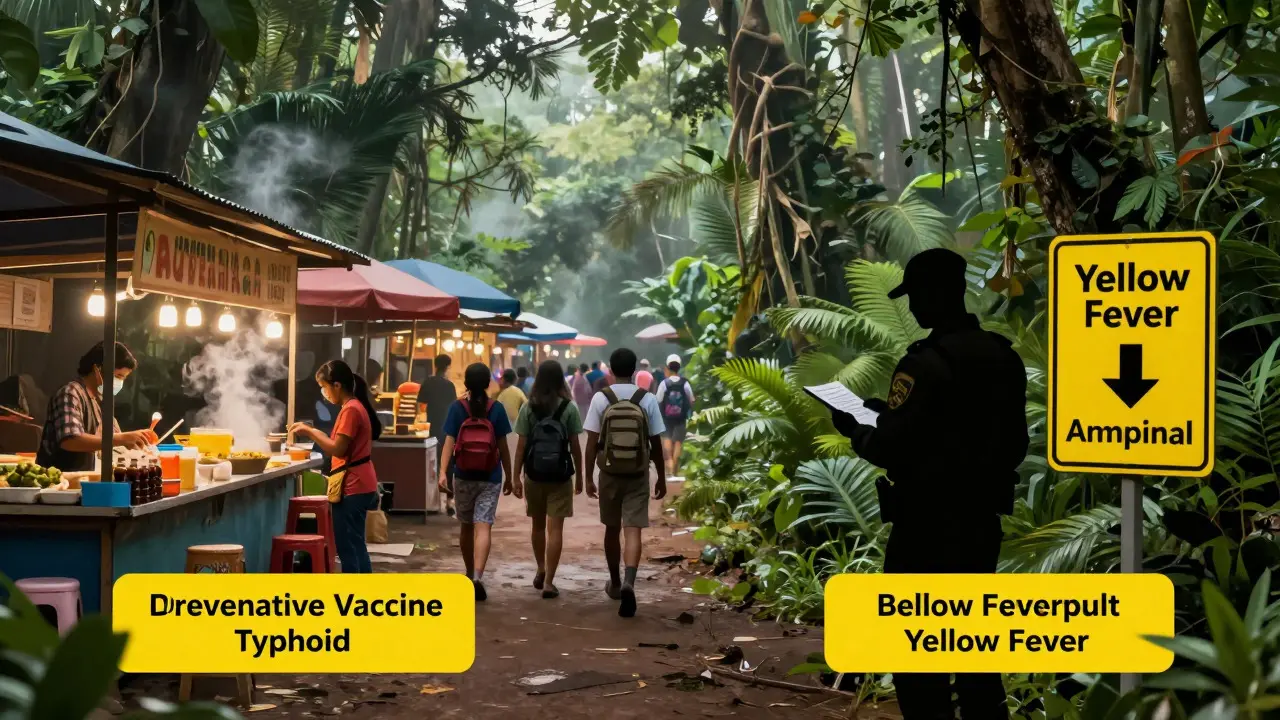
The first category is Mandatory Entry Vaccines, which are vaccinations required by a country's government for entry into its territory. The most common example is the Yellow Fever vaccine. If you are arriving from a country with risk of Yellow Fever transmission, many nations in Africa and South America will check your certificate at the border. Without it, you could be denied entry or quarantined. This is a legal requirement, not just a health recommendation.
The second category is Recommended Preventative Vaccines, which protect you against diseases prevalent in your destination but don’t stop you from boarding the plane. Examples include Typhoid, Hepatitis A, and Rabies. These are crucial for student travelers who plan to eat street food, hike in rural areas, or interact with local wildlife. While not legally required for entry, failing to get them can result in expensive private healthcare bills abroad, as UK reciprocal health coverage often doesn't extend fully to non-EU/EFTA countries.
Critical Timeline: When to Book Your Appointment
The biggest mistake students make is waiting until the week before their flight to sort out their health. Here is why that’s dangerous:
- Immunity Lag: Most vaccines take between 10 days and 4 weeks to build full protection. For instance, the Japanese Encephalitis vaccine requires two doses spaced 28 days apart. If you start too late, you might only have partial protection when you land.
- Appointment Availability: NHS travel clinics can be busy during peak holiday seasons (June-August). Slots can fill up 6-8 weeks in advance. Private clinics offer more flexibility but cost significantly more.
- Follow-up Doses: Some vaccines, like Tetanus and Polio boosters, are quick, but others like Rabies require a series of shots over several weeks. You need to fit the entire schedule into your pre-departure window.
Rule of thumb: Book your consultation at least 8 weeks before your flight. If you’re traveling within 4 weeks, ask the clinician if any vaccines can still be given, even if immunity isn’t guaranteed immediately. Sometimes, starting a course is better than doing nothing.

Common Destinations for UK Students: Specific Requirements
Different regions have different risk profiles. Here is a breakdown for popular student destinations:
| Destination Region | Mandatory Entry Vaccine | Highly Recommended Vaccines | Additional Considerations |
|---|---|---|---|
| South East Asia (e.g., Thailand, Vietnam) | None (usually) | Typhoid, Hepatitis A, Japanese Encephalitis (if staying >1 month) | Japanese Encephalitis is only worth it for long stays or rural travel. |
| Sub-Saharan Africa | Yellow Fever (if coming from risk area) | Yellow Fever, Typhoid, Meningococcal ACWY, Hepatitis A/B | Malaria prophylaxis is also critical here. |
| Latin America (e.g., Brazil, Peru) | Yellow Fever (for some countries like Brazil) | Yellow Fever, Typhoid, Hepatitis A, Measles (MMR) | Check if your destination has had recent measles outbreaks. |
| Europe (Non-EU) | None | Tetanus/Diphtheria/Polio boosters, Hepatitis B (optional) | Ensure your routine UK childhood vaccines are up to date. |
Note that Malaria Prophylaxis is not a vaccine but a medication taken daily or weekly. It must be started 1-2 weeks before travel and continued for 4 weeks after returning. Many students forget the post-travel dose, leading to infections appearing months later.
Navigating the NHS and University Health Services
As a UK student, you likely have access to free or subsidized travel advice through the NHS. However, the process isn't always seamless.
Start by checking your university’s international office website. They often provide a checklist of required documents. Then, contact your local NHS travel clinic. You can usually book online via the NHS website or by calling 111. During the consultation, bring your passport and a list of your planned activities (e.g., "I’m going hiking in the Andes" vs. "I’m staying in a city center"). This helps the doctor tailor the advice.
If your university has an on-campus health service, ask them first. They may administer basic boosters (Tetanus, MMR) and refer you elsewhere for specialized travel shots. Keep in mind that while the consultation might be free under certain circumstances, the vaccines themselves often carry a charge unless covered by a specific scheme. Budget around £50-£300 depending on the combination of shots needed.
Documenting Your Vaccinations
Paperwork matters. When you receive a mandatory vaccine like Yellow Fever, you will get an International Certificate of Vaccination or Prophylaxis (ICVP). This is a small green booklet. Keep it safe; losing it means you might have to re-vaccinate if you travel again within the validity period (which is lifelong for Yellow Fever).
For recommended vaccines, keep the receipt or a note from the clinic. While border guards rarely check for Typhoid shots, your university’s medical team might ask for proof of Hepatitis B or MMR status before you enroll in a program. Digital photos of your certificates stored in your phone cloud are a smart backup.
Frequently Asked Questions
Do I need travel vaccinations if I'm only staying for less than a month?
Yes, but the list might be shorter. For short trips, focus on high-risk, easy-to-catch diseases like Typhoid and Hepatitis A. Long-term vaccines like Japanese Encephalitis or Rabies are usually reserved for stays longer than one month or high-exposure activities.
Can I get travel vaccinations at my university health center?
It depends on the institution. Some large universities have dedicated travel clinics on campus. Others partner with local NHS practices or private providers. Always call ahead to confirm which specific vaccines they stock, as smaller clinics may not carry rare shots like Japanese Encephalitis.
How long does the Yellow Fever vaccine last?
Since 2013, the World Health Organization recognizes that a single dose of Yellow Fever vaccine provides lifelong protection. You do not need a booster unless you have a specific medical condition that affects immune response.
What happens if I miss my vaccination deadline before flying?
If it’s a mandatory entry vaccine, you risk being denied entry or quarantined. If it’s a recommended vaccine, you simply remain unprotected. In either case, consult a doctor immediately before flying. They may advise taking prophylactic medication or avoiding certain foods/activities while abroad.
Are travel vaccinations covered by the NHS?
The consultation fee varies by region and clinic type. Some NHS trusts offer free consultations for residents, while others charge a small fee. The vaccines themselves are rarely free for adults unless they are part of a national campaign (like MMR catch-up). Private clinics charge higher fees but offer faster access.