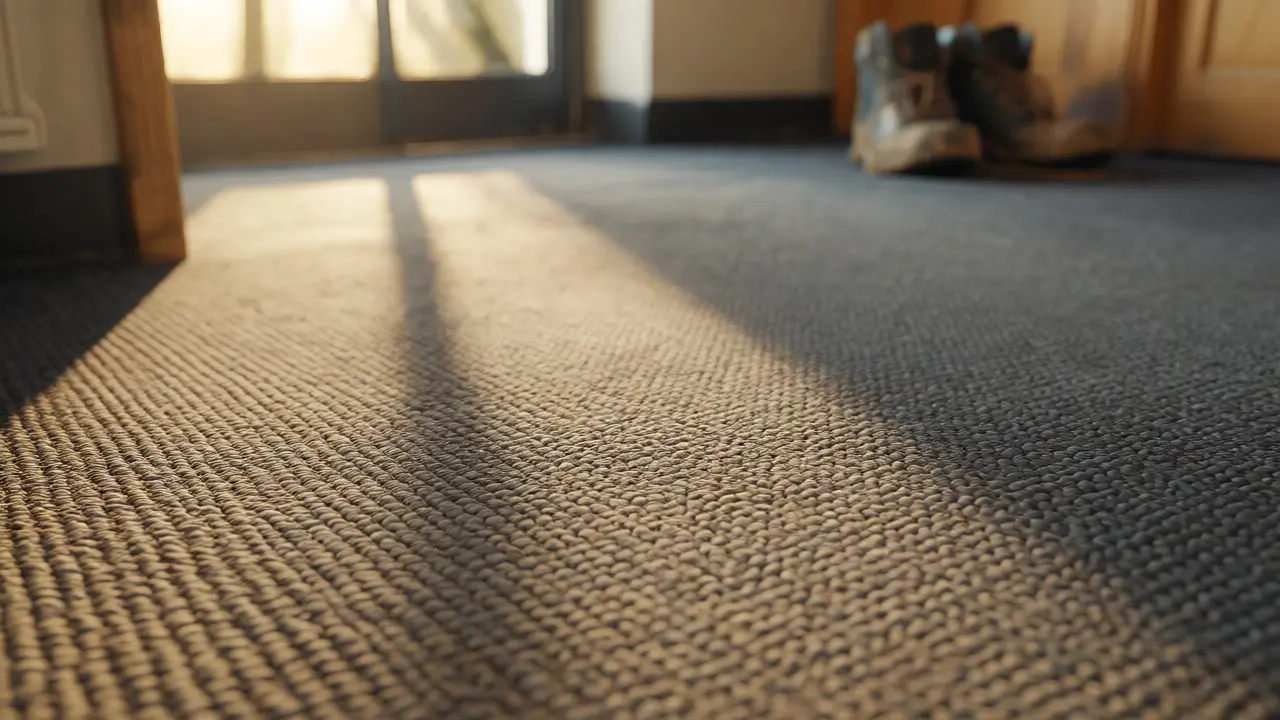
You just moved out of your student flat, handed back the keys, and now you're waiting for that deposit to hit your bank account. Then the email arrives. The landlord claims £200 for "carpet cleaning," £50 for a "scuffed wall," and £100 for a "broken handle." You feel like you're being robbed. But here is the truth: landlords cannot charge you for normal use. They can only charge for damage beyond fair wear and tear. If you know the difference, you can fight these deductions and keep your money.
The Golden Rule: Normal Use vs. Negligence
Think of it this way. If you live in a room for twelve months, things change. That's physics, not negligence. Fair wear and tear is the deterioration that happens naturally over time when you use a property reasonably. It includes faded paint from sunlight, worn carpet paths where you walked daily, or loose door handles from opening them thousands of times. Landlords expect this. They factor it into their long-term maintenance budgets.
Damage, on the other hand, is caused by carelessness or accidents. A hole punched in the plaster? That's damage. A red wine stain on a beige sofa? Damage. Burn marks on the kitchen counter? Definitely damage. The key question isn't "does it look bad?" but "would this have happened anyway if I had been careful?" If yes, it's wear and tear. If no, it's damage.
| Item | Fair Wear & Tear (Landlord Pays) | Damage (Tenant Pays) |
|---|---|---|
| Carpet | Fading near windows; flattened pile in walkways | Cigarette burns; large stains; rips |
| Paint/Walls | Minor scuffs from furniture; nail holes from hanging pictures | Deep scratches; crayon marks; holes from punching |
| Curtains | Fading from sun exposure | Torn fabric; broken rails due to force |
| Appliances | Dull finish; slow operation due to age | Broken glass shelf; cracked oven door |
Why Your Inventory Check Is Your Best Friend
Most disputes fail because students don't take the move-in inspection seriously. When you first got the keys, did you sign an inventory report without reading it closely? That document is the baseline. It lists the condition of every item at the start of your tenancy. If the report says the carpet was already stained in the corner, the landlord can't blame you for that same stain later.
If you didn't get a detailed report, create one yourself. Take photos of everything. Not just a quick snap-zoom in on existing chips, cracks, or marks. Date-stamp them. Send them to your letting agent via email so there is a paper trail. This evidence is crucial if you end up in a deposit dispute.
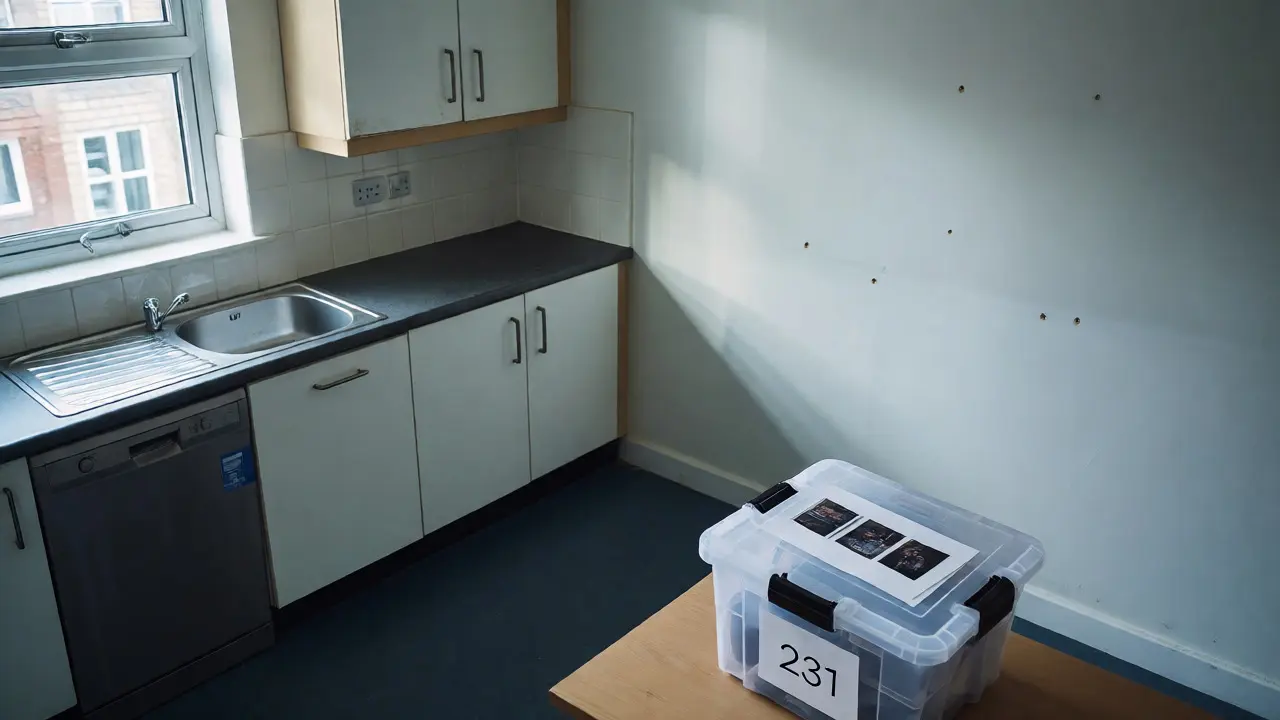
How the Deposit Protection Scheme Works
In England and Wales, landlords must protect your deposit in a government-approved scheme within 30 days. These schemes are called Tenancy Deposit Schemes (TDS), Deposit Protection Service (DPS), or MyDeposits. They act as neutral third parties. If you and your landlord disagree about how much to deduct, neither side gets to keep the money until the dispute is resolved.
Here is the process:
- The landlord proposes a deduction amount with evidence (photos, invoices).
- You review it. Do you agree? If yes, the scheme releases the funds.
- If you disagree, you raise a formal dispute through the scheme's website.
- A free adjudicator reviews the evidence from both sides.
- The adjudicator makes a binding decision based on who has the better proof.
Common Scams and How to Spot Them
Some landlords try to sneak in charges that aren't legal. Watch out for these:
- Professional Cleaning Fees: Unless your contract specifically states you must hire a professional cleaner (not common in standard ASTs), you only need to return the property in the same level of cleanliness as when you moved in. If you cleaned it thoroughly, they can't charge you £150 for a service you didn't request.
- Full Replacement Costs: If your carpet is five years old and worn, they shouldn't charge you for a brand-new premium carpet. They should only charge for the remaining lifespan value. This is called "betterment." You shouldn't leave the landlord richer than they were before you arrived.
- Missing Invoices: Always ask for receipts. If they claim £80 for repairs, demand to see the invoice. No invoice, no deduction.

Step-by-Step Guide to Winning a Dispute
Ready to challenge a deduction? Follow these steps carefully.
- Gather Your Evidence: Collect your move-in photos, move-out photos, and any emails where you reported issues during the tenancy. Highlight the differences between the two sets of photos.
- Check the Contract: Read your tenancy agreement. Does it mention specific obligations about cleaning or repairs? Ensure the landlord isn't adding rules that weren't in the original deal.
- Negotiate First: Sometimes, a polite email pointing out the lack of evidence works. Say something like, "I noticed a £50 charge for wall repairs. My move-out photos show no new damage compared to move-in. Can you provide a photo of the damage?" Many landlords back down here to avoid the hassle of formal disputes.
- Submit to the Scheme: If negotiation fails, log into your deposit protection scheme portal. Upload your evidence clearly. Label files like "Move-In-Kitchen.jpg" and "Move-Out-Kitchen.jpg." Write a concise summary explaining why you believe the deduction is unfair.
- Wait for the Decision: Adjudicators usually respond within 28 days. Stick to facts. Avoid emotional language like "this is unfair!" Instead, say "The inventory showed pre-existing damage, therefore the deduction is invalid."
Special Considerations for Student Housing
Student lets often involve shared houses. This complicates things. Who pays for the broken window in the living room? Usually, all tenants are jointly liable. However, if you can prove one housemate broke it, you might be able to recover costs from them separately. Keep group chats handy-they often contain admissions of guilt!
Also, watch out for "joint liability" clauses. If one tenant leaves early and stops paying rent, the remaining tenants might be charged for the shortfall. This isn't wear and tear, but it affects your final settlement. Make sure you understand who is responsible for what before signing.
Can my landlord charge me for repainting walls?
Only if the paintwork is damaged beyond normal wear. Fading or minor scuffs are wear and tear. Deep scratches, holes, or unauthorized color changes are damage. If the walls were freshly painted when you moved in and are still in good condition, they cannot charge you for repainting.
Do I have to hire a professional cleaner?
Not necessarily. Check your tenancy agreement. Most contracts require you to return the property "clean and tidy." If you clean it to the same standard as when you moved in, you do not need to pay for professional services unless explicitly stated in the contract.
What if the landlord doesn't protect my deposit?
It is illegal in the UK for landlords not to protect deposits in a government-approved scheme within 30 days. If they fail to do so, you may be entitled to compensation of up to three times the deposit amount, regardless of any damages.
How long does a deposit dispute take?
Once you submit a dispute to the Tenancy Deposit Scheme, the adjudication process typically takes around 28 days. However, simple cases resolved through negotiation can happen in a few days.
Can I withhold rent to cover repair costs?
No. Never withhold rent to pay for repairs or cleaning costs. This puts you in breach of contract and could lead to eviction proceedings. Pay the rent in full and pursue deductions through the deposit dispute process instead.