
Ever posted a review of your new headphones or skincare routine on Instagram, only to worry if you were breaking the law? If you're a student blogger in the UK, the line between sharing an honest opinion and making a legal mistake is thinner than you think. You don't need a law degree to do this right, but you do need to understand who is watching and what they expect.
The confusion often stems from mixing up US and UK regulations. Many students find YouTube tutorials referencing the "FTC" (Federal Trade Commission), which is a US body. While the principles are similar, the UK has its own strict framework led by the ASA (Advertising Standards Authority) and CMA (Competition and Markets Authority). Getting this wrong can lead to fines for brands, but more importantly, it erodes the trust of your audience. Let's break down exactly how to keep your reviews honest, compliant, and safe while building your personal brand as a student.
Understanding the Regulatory Landscape: ASA vs. FTC
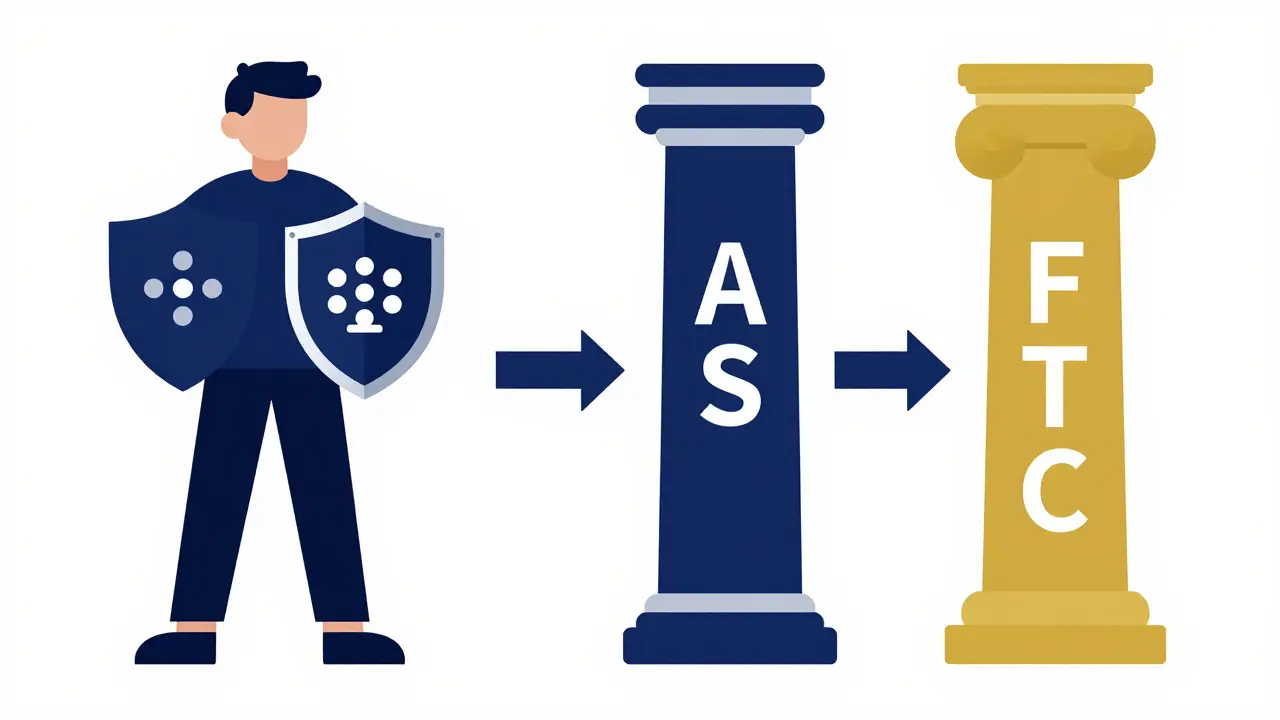
First, let's clear up the biggest misconception. The ASA is the UK's independent advertising regulator that enforces codes of conduct for commercial communications. It doesn't just watch TV ads; it monitors social media, blogs, and influencer posts. If a brand pays you or gives you free stuff with the expectation of a positive post, the ASA considers it an advertisement.
The FTC is the US Federal Trade Commission, which regulates consumer protection and unfair business practices in the United States. Why does this matter for a UK student? Because most online advice comes from American creators. The FTC requires clear disclosures like "#ad" or "#sponsored." The ASA requires something slightly different but equally strict: the commercial nature of the message must be obvious to the average viewer. In practice, both require transparency, but the enforcement bodies differ. You report issues to the ASA in the UK, not the FTC.
Here is the key difference in how they view "reviews":
- FTC (US): Focuses heavily on "material connections." Did the company pay you? Did they give you free product? If yes, disclose it.
- ASA (UK): Focuses on whether the communication is likely to be seen as an ad. If it looks like an ad, it must be clearly labeled as such, regardless of payment.
The Definition of a Review: When Does Opinion Become Advertising?
Not every post about a product is a review. There is a distinct difference between organic content and commercial communication. An organic review is one where you bought the product yourself, with no strings attached. You paid full price, nobody told you what to say, and nobody promised you a feature in return.
A commercial review (or sponsored post) occurs when:
- You receive free products from a brand (PR package).
- You are paid cash or commission for the post.
- You have an exclusive deal code for followers.
- The brand asks for specific points to be mentioned.
How to Disclose Properly Without Ruining Your Aesthetic
Students often fear that adding "#ad" will make their feed look cluttered. But hiding the truth is riskier. Here is how to handle disclosures effectively:
- Instagram/TikTok: Use the built-in "Paid Partnership" tool. This is the gold standard because it notifies the platform and makes the label unmissable. If you don't use it, place "#ad" or "#sponsored" at the very start of your caption, not buried at the bottom under 50 other hashtags.
- Blogs: Create a dedicated "About" page listing all current partnerships. Additionally, put a small banner or text note at the top of the specific review post stating, "Some products in this post were gifted."
- YouTube: Use the "Sponsorship" checkbox in the video details. Also, mention the sponsor verbally in the first 30 seconds. The ASA checks audio transcripts, so saying it out loud matters.
Maintaining Honest Opinions Under Pressure
The hardest part isn't the legal side; it's the psychological side. When a brand sends you a nice email and free products, you feel obligated to be nice. But your credibility depends on honesty. If you hate the product, you can still write a fair review, provided you disclose the connection.
Here is a simple framework for honest reviews:
- State the Connection: "I received this jacket from [Brand]."
- Share the Good: What did you genuinely like? Be specific. "The fabric felt soft" is better than "It's great."
- Share the Bad: What didn't work? "The zipper snagged twice" adds realism.
- Give a Verdict: Who is this for? "Perfect for rainy days, but maybe too bulky for layering."
Comparison: Organic vs. Sponsored Content Requirements
To make things crystal clear, here is a comparison of what is required for different types of posts. This table helps you quickly decide your next steps before hitting publish.
| Content Type | Payment/Gift Status | Required Disclosure (ASA) | Risk Level if Missing Label |
|---|---|---|---|
| Organic Review | Paid Full Price | None required, but recommended for clarity | Low |
| Gifted Item | Free Product Received | Must state it was gifted/sent by brand | Medium |
| Sponsored Post | Cash Paid | Clear "#ad" or "Paid Partnership" label | High |
| Affiliate Link | Commission Earned | Must disclose potential commission | Medium-High |

Common Pitfalls for New Student Creators
Even experienced marketers make mistakes, but students often fall into specific traps due to lack of experience. Avoid these common errors:
- Buried Hashtags: Putting "#ad" after 30 other hashtags. It must be visible immediately.
- Vague Language: Using "collab" without explaining it involves free goods or money. "Collab" is too broad.
- Unlabeled Stories: If you post a story about a product you were given, label it there too. Don't just label the main feed post.
- Ignoring Comments: If a follower asks "Did you buy this?", answer honestly. Lying in comments can also violate the spirit of the code.
Building Long-Term Credibility as a Student Blogger
Your goal isn't just to avoid fines; it's to build a reputation. Students are savvy consumers. They know when a review feels forced. By sticking to honest opinions and clear disclosures, you position yourself as a trusted source rather than just another megaphone for brands.
This approach also opens doors. Brands want to work with creators who have loyal, trusting audiences. When you demonstrate compliance and integrity, you become a safer bet for larger campaigns. Start small. Document your process. Keep records of what brands send you and what you promise them. If a dispute arises, having a paper trail protects you.
Finally, remember that rules evolve. The digital landscape changes fast. Stay updated on ASA guidance updates, which are published regularly. Being proactive about learning these rules sets you apart from peers who treat blogging as a casual hobby rather than a professional endeavor.
Do I need to label a post if I bought the product myself?
Technically, no. If you paid full price and have no other connection to the brand, it is an organic review. However, many creators still add a note like "Bought with my own money" to reassure skeptical readers, especially if the product is expensive or niche.
Is "#gifted" enough for the ASA?
Yes, "#gifted" is generally accepted in the UK if it is clear that the product was sent by the brand. However, it is best practice to pair it with a short sentence in the caption explaining that the item was sent for review purposes. This removes any ambiguity.
What happens if I forget to label a sponsored post?
Usually, nothing happens immediately unless someone complains. If a competitor or consumer reports you to the ASA, they may issue a warning or require you to remove the post. Repeat offenses can damage your reputation and make brands hesitant to work with you again.
Does the FTC apply to UK students?
Only if you are targeting a US audience or selling primarily to US customers. For a typical UK-based student blog focused on local or global audiences, the ASA and CMA are the relevant regulatory bodies. The FTC is a US agency, but its principles of transparency are similar to UK laws.
How do I track which products were gifted?
Keep a simple spreadsheet or note file. Record the date you received the item, the brand name, and whether you were asked to post anything. This log helps you verify your disclosures and provides evidence if you ever need to prove your compliance to a brand or regulator.