
Walking into a café shift or a retail floor as a student in the UK comes with a specific set of rules that differ from standard adult employment. The most critical factor is your age and status, which directly dictates your legal hourly rate. Many students assume they are entitled to the same pay as their older colleagues, but the National Minimum Wage system operates on a tiered structure based on age bands and apprenticeship status. Understanding these tiers prevents underpayment and helps you negotiate better roles within the legal framework.
The 2026 Pay Rate Structure
As of April 1, 2026, the UK government has updated the statutory pay thresholds. These rates apply to all private sector employers and most public sector roles. If you are 21 or over, you fall under the National Living Wage (NLW), which is the highest tier. However, if you are between 18 and 20, you receive the 18-20 rate. Students under 18 receive the under-18 rate, though this is rarely applicable for full-time university students who are typically over 18.
| Age Category / Status | Hourly Rate (GBP) | Typical Student Profile |
|---|---|---|
| 21 years and over | £12.40 | Postgraduate students, mature undergraduates |
| 18 to 20 years old | £10.35 | Most undergraduate students |
| Under 18 years old | £7.20 | A-levels/College students |
| Apprentice (under 19 or first year) | £7.20 | Students in formal apprenticeship programs |
It is crucial to note that these are minimums. An employer can pay more, but never less. For example, if you turn 21 during your contract, your pay must automatically adjust to the £12.40 rate starting from your birthday, not just at the next annual review.
Understanding "Working Time" vs. "Paid Time"
A common pitfall for students is misunderstanding what counts as working time. Under the Working Time Regulations 1998, any period where you are required to be at work, performing duties, or available for work counts as working time. This includes:
- Shift start and end times (you cannot be clocked out before finishing tasks).
- Breaks: Unpaid breaks do not count toward working hours unless they exceed 20 minutes and you are free to leave the premises. Paid breaks count as working time.
- Overtime: While not legally mandated to be paid extra in the UK, it must still meet the minimum hourly rate. Any overtime worked adds to your total weekly hours, which impacts rest period requirements.
If your manager asks you to stay an extra 30 minutes after your shift ends to tidy up, that is working time. It must be recorded and paid at your applicable rate. Failure to record this is a breach of employment rights.
Apprenticeships and Special Categories
Not all student jobs are standard part-time roles. If you are enrolled in an apprenticeship, you may fall under the apprentice rate until you reach age 19 or complete your first year of training. After that, you move to the 18-20 rate if you are under 21. This distinction often confuses students who think "apprentice" means lower pay forever. In reality, it is a temporary training status with specific progression rules defined by the Department for Business and Trade.
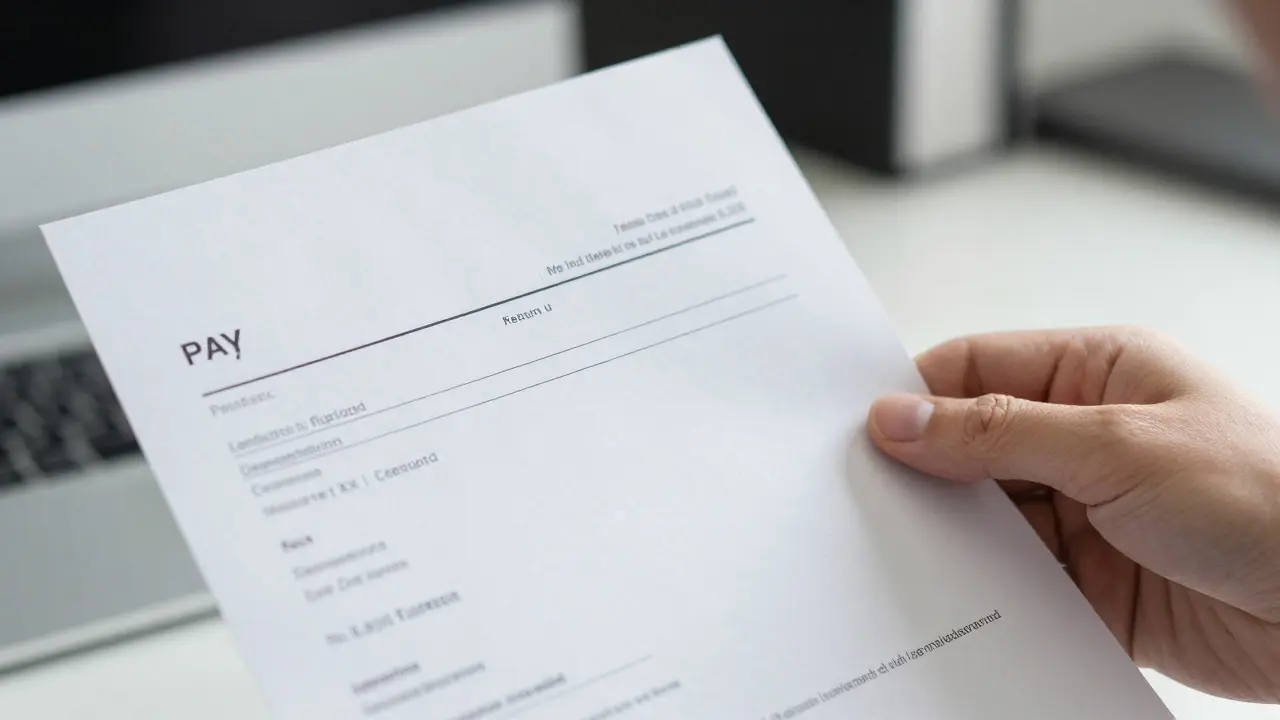
Checking Your Payslip for Errors
Your payslip is your primary evidence of compliance. Every payslip must clearly show:
- Gross pay before tax and deductions.
- Deductions for Income Tax (PAYE) and National Insurance Contributions (NICs).
- Any other deductions (like pension contributions) must be itemized.
- The date of payment.
If you see a deduction labeled "uniform cost" or "training fee," be cautious. Employers generally cannot deduct money from your wages for equipment needed to do the job, unless agreed upon in writing beforehand. A uniform deduction without prior consent is likely illegal.
Rest Periods and Daily Limits
Student workers have specific protections regarding fatigue. You are entitled to a daily rest period of at least 11 consecutive hours between shifts. For example, if you finish a shift at 10 PM, your next shift cannot start before 9 AM the following day. Additionally, you are entitled to a 20-minute uninterrupted break if your shift exceeds six hours. This break must be continuous and cannot be split into smaller chunks.

What If You Are Underpaid?
If you discover you have been paid below the statutory minimum, you have several avenues for recourse. First, speak to your line manager or HR department with a copy of your payslips. Most errors are administrative and resolved quickly. If unresolved, you can contact ACAS (Advisory, Conciliation and Arbitration Service) for free advice. Finally, you can file a claim with an Employment Tribunal. There is no time limit for claiming back unpaid minimum wage, meaning you can recover back pay from previous months or even years.
Frequently Asked Questions
Does the minimum wage include tips?
No. Tips must be paid on top of the minimum wage. If your base pay is below the threshold, tips cannot be used to make up the difference. For example, if you earn £10.00 an hour and the minimum is £10.35, your employer owes you £0.35 per hour regardless of how much in tips you collect.
Can my employer change my pay rate mid-contract?
Yes, provided the new rate meets or exceeds the statutory minimum for your age band. However, significant changes to terms usually require notice. If your age crosses a threshold (e.g., turning 21), the rate must update automatically without needing a new contract.
Do casual or zero-hours contracts get the same minimum wage?
Yes. Zero-hours and casual workers are fully protected by the National Minimum Wage legislation. The rate applies to every hour actually worked, regardless of the type of contract or guarantee of future hours.
How does living away from home affect my pay?
Living away from home does not change the statutory minimum wage rate. However, some employers offer "living away allowances" to cover higher rent costs. This is discretionary, not mandatory, but common in hospitality and seasonal work.
Where can I check if my employer is compliant?
You can use the official GOV.UK calculator to verify if your pay meets the minimum standards. Enter your age, hours, and gross pay to see if you are being underpaid. This tool is updated annually with the latest rates.