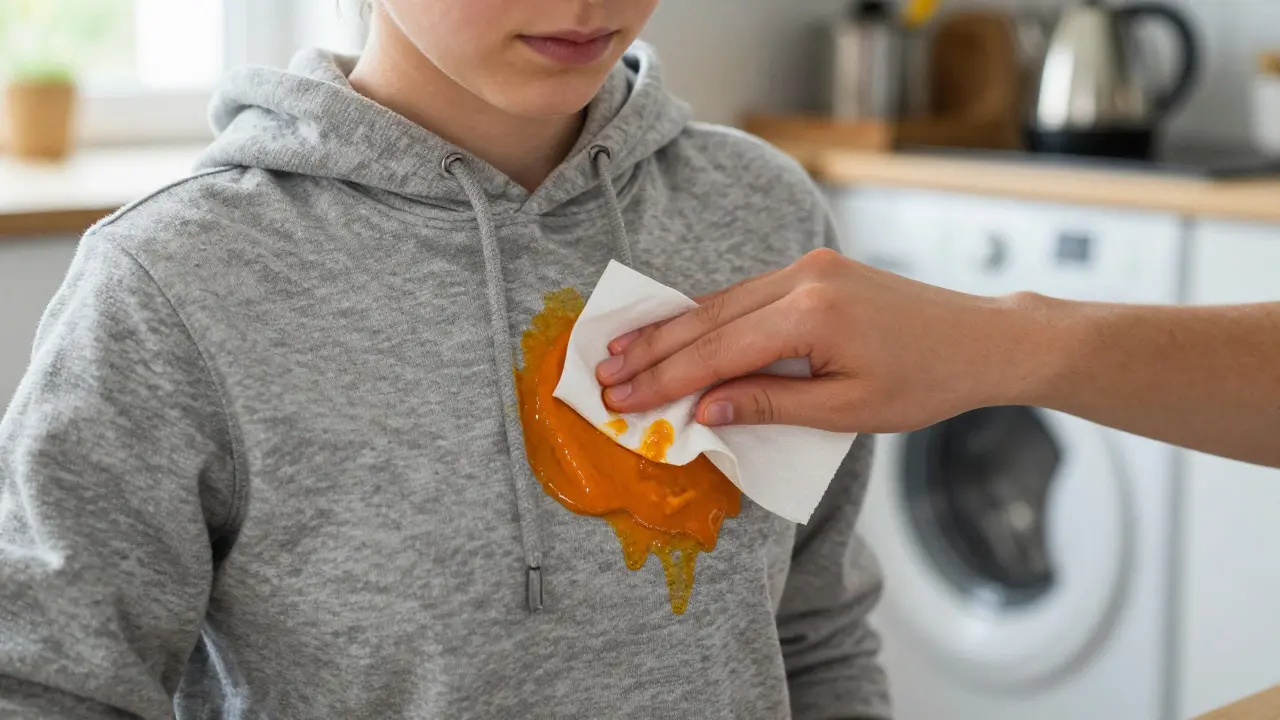
Your favorite hoodie just got hit with a glob of curry sauce. The clock is ticking because you have a lecture in two hours and no time to wait for a full wash cycle to finish before drying. For UK students living in halls or small flats, laundry isn't just a chore; it's a survival skill. You don't have a dedicated laundry room with industrial machines. You might share a single washing machine with four other people, and the water pressure can be unpredictable. This guide cuts through the noise to show you exactly how to tackle the messes that actually happen in student life.
The core problem isn't just dirt; it's time and resource scarcity. You need methods that work on the first try so you aren't re-washing clothes three times a week. We are focusing on practical, low-cost solutions using products easily found in any UK supermarket like Tesco, Sainsbury's, or Asda. No fancy chemical labs required, just smart application of basic science and common sense.
Quick Summary / Key Takeaways
- Act immediately: Cold water is your best friend for fresh stains. Hot water sets protein-based stains like blood and sweat.
Pre-treat everything:
Never throw stained items straight into the drum. Apply a pre-treatment stick or liquid directly to the mark.- Know your fabric: Delicates need gentle handling; sturdy cottons can take harsher scrubbing.
- Check pockets: Paper towels and receipts dissolve and create new, impossible-to-remove brown stains.
- Use the right detergent: Powder is better for heavy soil and white clothes; liquid is better for darks and delicates.
Why Student Laundry Is Different
Living in a student flat means you are dealing with specific types of stains that office workers rarely encounter. Think about it: instant noodles at midnight, beer spills during social events, ink from late-night studying, and mud from walking across campus in the rain. These marks require different approaches than standard household dust.
Furthermore, you likely have limited storage space. You can't keep ten different specialized cleaners. Instead, you should master a few versatile tools. A good quality stain remover pen, a bar of plain soap (like Irish Spring or Dove), and a bottle of white vinegar cover 90% of scenarios. The key is understanding what kind of stain you are fighting. Is it oily, watery, or solid? Each type reacts differently to heat and chemicals.
| Stain Type | Examples | Immediate Action | Water Temp |
|---|---|---|---|
| Protein | Blood, Sweat, Egg | Rinse with cold water only | Cold |
| Oil/Fat | Fries, Curry, Makeup | Blot, apply dish soap, then hot wash | Hot |
| Tannin | Tea, Coffee, Wine | Rinse cold, use oxygen bleach | Cold/Warm |
| Pigment | Ink, Dye, Grass | Apply alcohol/rubbing spirit, dab | Cold |
Mastering the Pre-Treatment Phase
This is where most students fail. They see a stain, panic, and toss the shirt into the washer hoping for the best. That’s gambling. Pre-treatment is the non-negotiable step. When a stain hits, do not rub it vigorously unless you know the fabric can handle it. Rubbing spreads the stain and pushes it deeper into the fibers. Instead, blot from the outside in.
For oily stains like grease from a takeaway burger, use dishwashing liquid. Yes, the same stuff you use for plates. Dish soap is designed to break down fats. Apply a small drop directly to the stain, let it sit for five minutes, and gently rub the fabric together. Then rinse under hot tap water. If the stain fades significantly, proceed to the washing machine. If it remains, repeat the process before washing.
For tannin stains like tea or red wine, which are very common in UK student housing due to the prevalence of tea drinking, cold water is critical. Hot water acts like glue for tannins. Rinse the area thoroughly with cold water as soon as possible. Afterward, apply an oxygen-based bleach solution. Products like Vanish Oxi Action or similar brands sold in the UK are effective here. Soak the garment in a basin with warm water and the powder for at least 30 minutes. This breaks down the color molecules without damaging the fabric dyes.
Handling Specific Student Scenarios
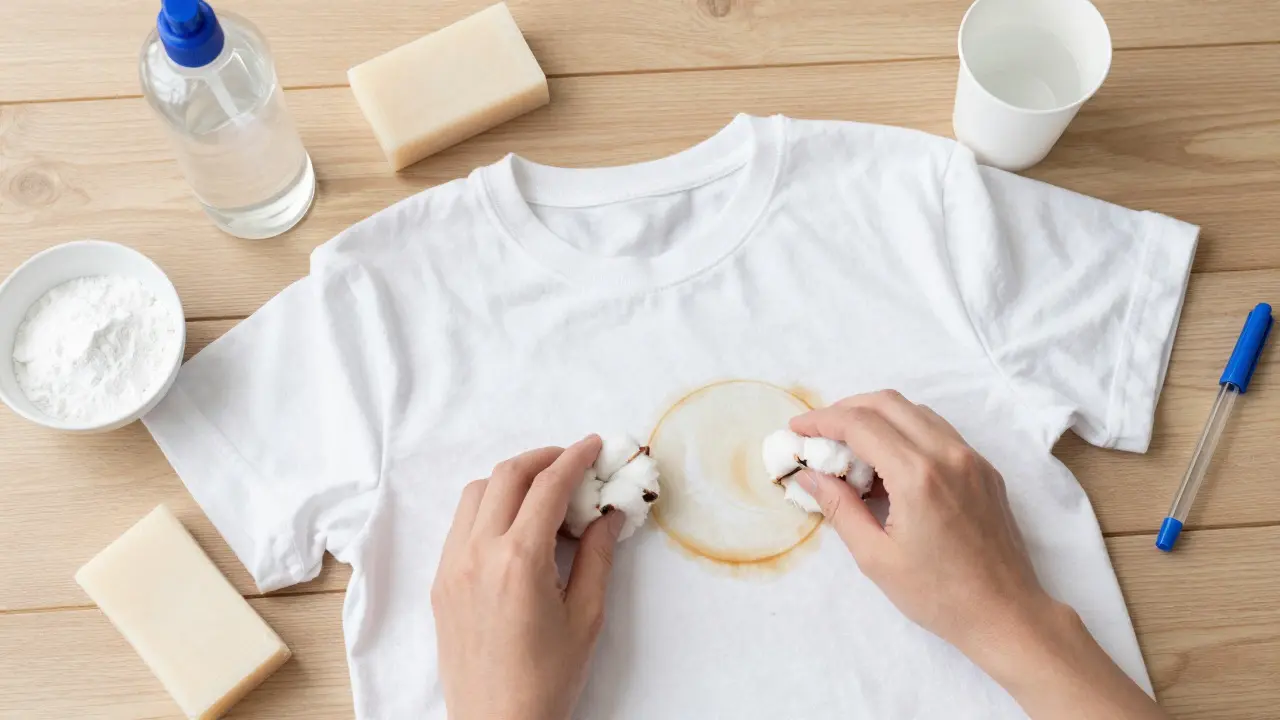
Let's get specific. What happens when you spill coffee on your white t-shirt while rushing to a seminar? First, don't panic. Blot up the excess liquid with a paper towel. Do not wipe, as that smears the pigment. Rinse the back of the stain with cold water to push the coffee out, not further in. Next, apply a mixture of equal parts white vinegar and water to the spot. Let it sit for 10 minutes. White vinegar helps neutralize the alkaline residues in coffee and lifts the stain. Finally, wash in the machine with your regular detergent.
What about ink? Ink stains are tricky because they are pigment-based. If you spilled blue ballpoint ink on your notes or clothes, grab some rubbing alcohol (isopropyl alcohol) or even high-proof spirits like vodka if you're desperate. Place a clean cloth underneath the stain to catch the dissolved ink. Dab the stain with a cotton ball soaked in alcohol. Work from the edges toward the center. The ink will transfer to the cloth. Repeat until no more color transfers. This method works surprisingly well on synthetic fabrics commonly found in student hoodies and jackets.
Mud is another classic. It sounds simple, but many students put muddy boots or trousers straight into the dryer. Never do this. Heat sets mud permanently. Let the mud dry completely first. Once dry, brush off the loose dirt outdoors or over a sink. Then, treat the remaining stain with a liquid laundry detergent or a paste made from baking soda and water. Scrub gently with an old toothbrush. Wash as normal. The key is patience: dry, brush, treat, wash.
Detergent Choices and Machine Settings
You might think all detergents are the same. They are not. In the UK, you have access to a wide range of options. For white clothes and heavily soiled items like gym gear, powder detergents often perform better. They contain enzymes and bleaching agents that tackle tough grime. However, powder can leave residue in front-loading machines if not dissolved properly. Liquid detergents are better for dark colors and delicate fabrics because they dissolve instantly and are gentler on fibers.
When setting your washing machine, consider the load size. Overloading reduces cleaning efficiency because clothes need space to tumble and agitate against each other. Underloading wastes water and energy. Aim for a basket that is about 75-80% full. Also, pay attention to the temperature. Use 40°C for everyday loads. Use 60°C for bed linens and towels to kill bacteria. Save 30°C for delicates and colored items to prevent fading. Always check the care label on the garment. Ignoring it is a fast track to ruined clothing.
Avoiding Common Mistakes
One of the biggest mistakes students make is mixing products. Don't mix chlorine bleach (like Domestos) with ammonia or vinegar. It creates toxic fumes. Stick to one type of bleach per load. Oxygen bleach is safer and can be used with most colors, but chlorine bleach is only for whites.
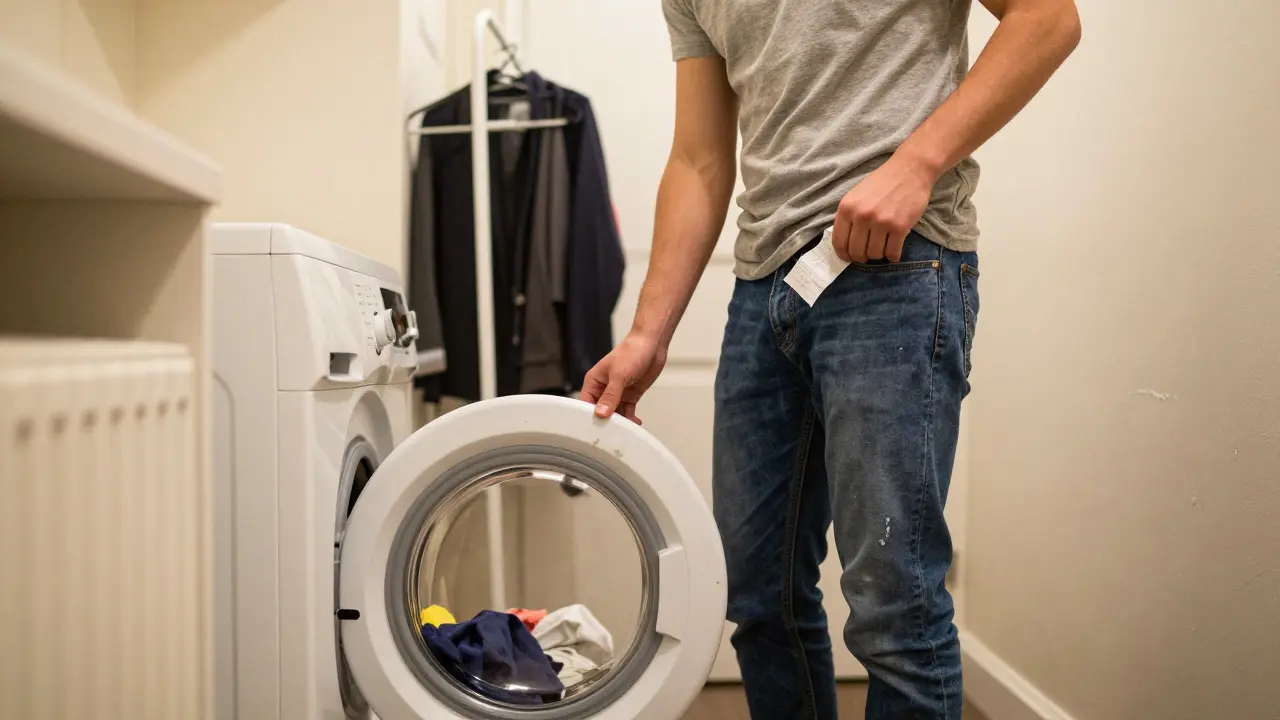
Another pitfall is ignoring the pocket. Before you start the wash, always empty pockets. A crumpled receipt or a piece of paper towel will turn into a sludge that sticks to every other item in the drum. This creates a secondary stain that is much harder to remove than the original spill. Make it a habit: Check pockets, button zippers, and close hooks to protect other garments.
Finally, don't skip the rinse cycle if you use a lot of pre-treatment. Residue from stain removers can cause skin irritation or stiffen fabrics. If your clothes feel gritty after drying, you likely used too much detergent or didn't rinse enough. Adjust the amount of detergent in the next load.
FAQ
Can I use hand sanitizer to remove ink stains?
Yes, hand sanitizer contains alcohol, which is effective at breaking down ink pigments. Apply a small amount to the stain, let it sit for a minute, and then dab with a clean cloth. Rinse thoroughly afterward to remove the sticky residue.
What is the best way to remove grass stains from jeans?
Grass stains are chlorophyll-based. Mix a paste of baking soda and water, apply it to the stain, and let it sit for 30 minutes. Scrub gently with a soft brush. Alternatively, apply a small amount of hydrogen peroxide, but test on an inconspicuous area first to ensure it doesn't lighten the denim.
Should I wash my clothes inside out?
Washing clothes inside out protects the outer surface from friction and fading. It is especially useful for printed t-shirts and colored garments. It also helps reduce pilling on knitwear. However, for heavily soiled items like gym clothes, washing them right-side out may help remove dirt more effectively.
How do I deal with musty smells in my washing machine?
Musty smells usually come from mold buildup in the rubber seal or filter. Run an empty hot cycle (90°C) with a cup of white vinegar or a dedicated machine cleaner tablet. Wipe the rubber door seal with a damp cloth and leave the machine door open between uses to allow air circulation.
Is it okay to dry clothes in a shared flat?
If you have access to a dryer, use it for quick drying, but be mindful of lint filters. Clean the filter before every load. If you don't have a dryer, use a clothes horse near a radiator or in a sunny window. Avoid hanging wet clothes in poorly ventilated spaces, as this increases humidity and encourages mold growth in the flat.
If you have access to a dryer, use it for quick drying, but be mindful of lint filters. Clean the filter before every load. If you don't have a dryer, use a clothes horse near a radiator or in a sunny window. Avoid hanging wet clothes in poorly ventilated spaces, as this increases humidity and encourages mold growth in the flat.