
When it comes to student job applications in the UK, employers see hundreds of similar applications each week. The key to standing out isn't just having good grades-it's showing the right skills and attitude. Let's break down exactly how to do that.
What UK Employers Really Want (Hint: It's Not Just Grades)
In a 2025 survey by the UK's National Union of Students, 68% of employers said soft skills like communication and teamwork matter more than academic grades when hiring students. Take it from a hiring manager at a London-based tech startup: "We see hundreds of applications from students with 2:1 degrees. What sets people apart is how they've applied those skills in real situations-like organizing events or solving problems in part-time jobs."
Employers want to see you can handle real-world challenges. For example, if you managed a university society's social media page and grew followers by 40% in three months, that's more valuable than a high GPA. They're not looking for perfect grades-they're looking for proof you can contribute from day one.
Tailor Your CV for Each Role
Your CV isn't a list of everything you've ever done. It's a targeted snapshot of what matters for THIS role. Start with a clear structure: personal details, education, work experience, skills, and extracurriculars. For each job, list achievements, not just duties. Instead of "worked at a coffee shop," say "served 50+ customers daily while maintaining a 95% satisfaction rating." If you're applying for a finance internship, mention how you balanced a £1,000 budget for a student charity event.
CV for students a tailored document highlighting relevant skills and experiences for job applications should focus on transferable skills. A retail job? Highlight cash handling and customer service. A marketing role? Show social media campaigns you managed. Employers notice when you've taken time to customize your application.
Write a Cover Letter That Actually Gets Read
Most students skip the cover letter or send a generic template. Big mistake. A strong cover letter shows you've researched the company. For example: "I was impressed by [Company]'s recent project on sustainable packaging, which aligns with my experience in environmental science. In my role as a volunteer for the university's Green Campus initiative, I led a team that reduced plastic use by 30%-a skill I'm eager to bring to your team." This shows initiative and specific interest.
cover letter a personalized document explaining why you're a perfect fit for a specific role isn't optional. A 2024 report from the Association of Graduate Recruiters found 60% of employers skip applications without one. Keep it short-three paragraphs max-and address it to a specific person. "Dear Hiring Manager" is a red flag.

Crush the Interview With These Tactics
Interview questions for students often focus on problem-solving and adaptability. Use the STAR method (Situation, Task, Action, Result) to structure answers. For example: "When our university club needed to fundraise £500 for a charity (Situation), I was tasked with organizing a bake sale (Task). I created a social media campaign and recruited 15 volunteers (Action), which raised £750-exceeding our goal (Result)."
interview preparation strategies to effectively showcase skills during job interviews also means preparing for common questions. "Why this company?" isn't about flattery. Say: "I admire how [Company] partners with local schools-my experience volunteering at a nearby school aligns perfectly with this initiative." Avoid generic answers. Employers can tell when you're unprepared.
Avoid These Common Mistakes
Even small errors can sink your application. Typos? A student applying for a journalism role submitted a CV with "experiance" spelled wrong-no interview. Not researching the company? One applicant said "I want to work for your company" when applying to a fashion brand, but didn't know their flagship product. Also, avoid applying to every role at once. Employers can tell when you're sending the same application everywhere. Focus on roles that genuinely match your skills.
employer expectations what UK employers prioritize when evaluating student candidates include attention to detail. Double-check your application for typos. Research the company's recent news. And never say "I need the job"-focus on what you can offer them.
Leverage University Resources
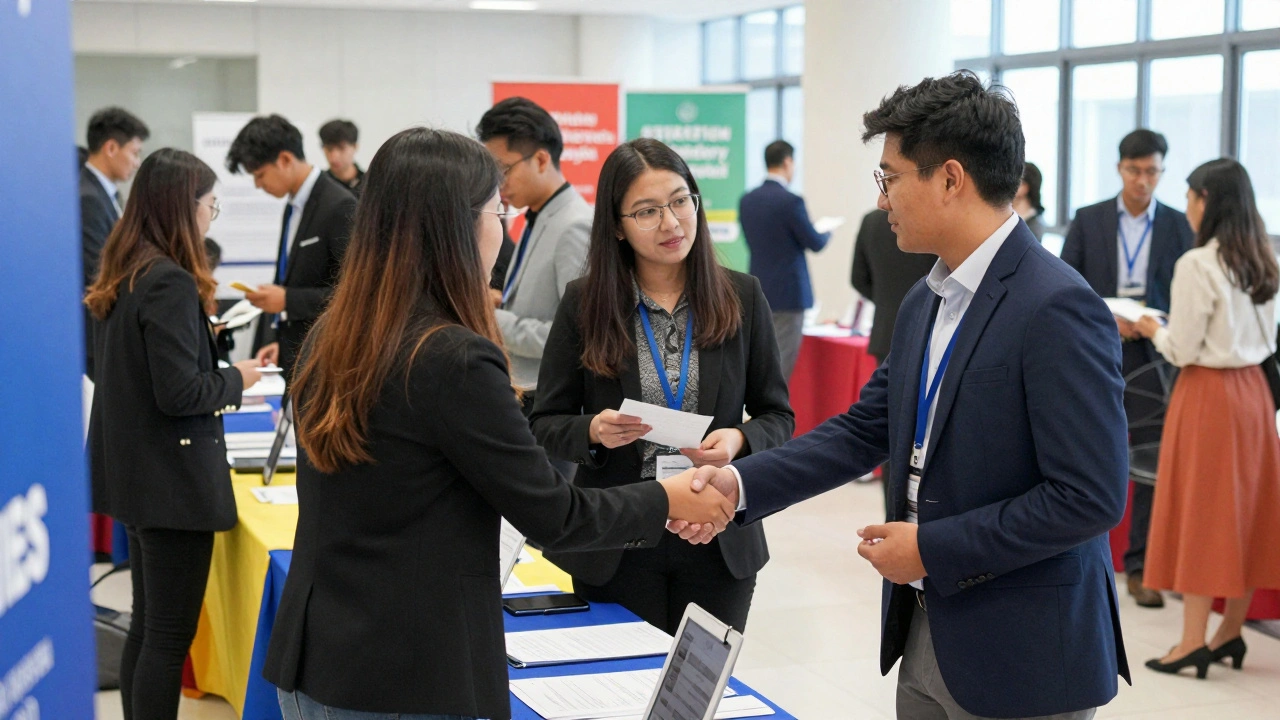
Your university's career service isn't just for seniors. At the University of Manchester, 70% of students who attend career workshops secure interviews. Use free resources like CV reviews, mock interviews, and job fairs. For example, the University of Edinburgh hosts an annual "Industry Night" where students meet 200+ employers. These events often lead to internships or part-time roles. Don't wait until graduation-start using these resources in your first year.
university career services free support provided by universities to help students find jobs also offer networking opportunities. At King's College London, alumni mentorship programs connect students with professionals in their field. These relationships often lead to job referrals-something 40% of employers say gives candidates an edge.
Follow Up the Right Way
After an interview, send a thank-you email within 24 hours. Keep it short: "Thanks for the opportunity. I enjoyed learning about [specific project discussed] and am excited about the possibility of contributing to your team." Wait a week before following up again. If you don't hear back, send one polite follow-up email. Too many messages can hurt your chances.
ATS systems software used by employers to screen job applications also matter. Many companies use Applicant Tracking Systems to filter CVs. To get past them, use keywords from the job description. For example, if the role requires "project management," include that phrase in your CV. Avoid fancy formatting-stick to simple fonts like Arial or Calibri.
Know Your Rights as a Student Worker
In the UK, students aged 18-20 earn at least £11.44 per hour (2026 rate), but some employers pay more for roles requiring specific skills. Always check the advertised salary to ensure it meets legal requirements. For international students, confirm your visa allows work hours-most limit you to 20 hours per week during term time.
National Minimum Wage the legal minimum hourly pay rate for workers in the UK applies to all student jobs. If an employer offers below this rate, report them to the government. Many students don't know this and accept underpaid work. Always verify pay rates before accepting a role.
How do I tailor my CV for different roles?
For each application, adjust your CV to match the job description. Highlight relevant skills and experiences. For example, if applying for a retail job, emphasize customer service roles. If it's a tech internship, focus on coding projects or technical coursework. Employers notice when you've taken time to customize your application.
Should I include my grades on my CV?
Include grades if they're strong (e.g., a 2:1 or higher) and relevant. For competitive roles, mention your GPA or class rank. If your grades aren't great, focus on other achievements like leadership roles or projects. Many employers value practical experience more than academic performance for entry-level student jobs.
What if I have no work experience?
Highlight transferable skills from volunteering, university projects, or extracurriculars. For example, organizing a campus event shows leadership and planning. Volunteering at a charity demonstrates teamwork and communication. Even part-time roles like babysitting or tutoring can showcase responsibility and time management. The key is to frame your experiences in terms of skills employers need.
How important is the cover letter?
Very. A 2024 survey by the Association of Graduate Recruiters found 60% of employers skip applications without a cover letter. A good cover letter shows you've researched the company and understand the role. It's your chance to explain why you're a perfect fit beyond what's on your CV.
What should I wear to a student job interview?
Dress one level above the company's usual attire. For a casual startup, wear smart casual (e.g., clean jeans and a blazer). For corporate roles, wear business casual or formal. Always check the company's website for clues. When in doubt, it's better to be slightly overdressed than underdressed.