
Most students assume paying for insurance is a fixed cost they just have to swallow. But in the UK, you can often cut that bill by 10-20% simply by knowing which levers to pull. Whether you are renting a flat with friends or driving a used hatchback to university, there are specific ways to lower your premiums without sacrificing coverage.
This guide breaks down exactly how to get better rates on home, contents, and car policies. We will look at the specific details insurers check, the common mistakes that raise prices, and the practical steps you can take right now to save money.
Understanding Your Policy Types
Before hunting for discounts, you need to know what you are actually buying. These three types serve different purposes, and mixing them up leads to overpaying.
- Home Insurance (Buildings): This covers the structure of the building. If you rent, this is usually the landlord's responsibility. If you own a property (rare for students) or live in a house where you are liable for structural damage, you need this.
- Contents Insurance: This covers your stuff-laptops, clothes, bikes, furniture. If you rent, this is almost always on you. It protects against theft, fire, water damage, and accidental breakage.
- Car Insurance: This covers liability and vehicle damage. For students, this is often the most expensive policy due to age and experience factors.
A critical distinction: many students think "home insurance" covers everything. It does not. If you move into a shared flat, you typically only need contents insurance unless the tenancy agreement says otherwise. Buying buildings insurance when it is already covered by the landlord is pure waste.
Cracking the Code on Home and Contents Discounts
Insurers use algorithms to assess risk. To get a discount, you need to signal low risk. Here is how to do that for your living situation.
Accurate Address and Property Details
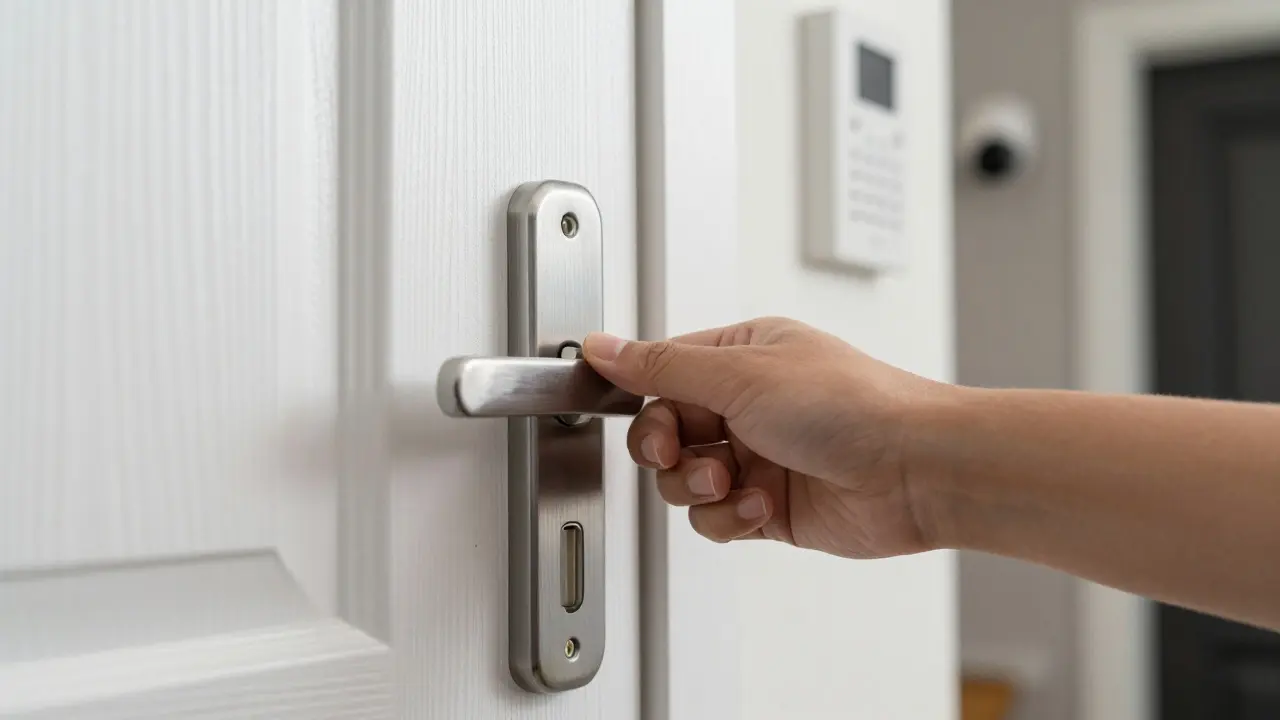
The single biggest factor in home and contents pricing is location. A flat in central London costs more than one in Leeds because theft rates vary. Make sure your address is precise. Some insurers offer discounts if you live in a building with a security system, such as an intercom, CCTV, or a secure entrance door. If your block has these features, mention them during the quote process. It might seem minor, but it tells the insurer your home is harder to break into.
The Shared Living Advantage
If you are sharing a flat, you can sometimes get a "multi-policy" discount if you bundle contents with another policy, like car. However, be careful about who is named on the policy. If you insure all four roommates' belongings on one policy, the total sum insured goes up, which raises the premium. Often, it is cheaper for each person to buy their own individual contents policy covering only their items. Compare the bundled price versus the individual totals before committing.
Security Measures That Matter
Not all locks count equally. Standard mortise locks are basic. Insurers give better rates if you have:
- Deadlocks on external doors.
- Window restrictors or alarms.
- A safe for high-value items like laptops or cameras.
Lowering Your Car Insurance Premiums
Car insurance for under-25s is notoriously expensive. The industry data shows that drivers aged 17-24 pay significantly more than older drivers. But there are ways to fight back.
Black Box Telematics
This is the most effective tool for young drivers. A black box is a small device plugged into your car’s OBD port or dashboard. It records how you drive: speed, braking, cornering, and time of day. If you drive smoothly and avoid late-night trips, the insurer rewards you with a lower rate at renewal. Some providers even offer monthly reviews, meaning if you improve your driving, your price drops immediately. It turns insurance from a static fee into a performance-based contract.
Voluntary Excess
An excess is the amount you pay out of pocket before the insurer pays the rest. You can choose to increase this voluntary excess. For example, if the standard excess is £300, you might agree to pay £600 in the event of a claim. In exchange, your annual premium drops. This works well if you are confident you won’t make a claim. However, do not set it so high that you cannot afford it if you scrape a bumper in a tight parking lot.
Add a Parent or Experienced Driver
If your parents or an older sibling are good drivers with no claims, adding them as a "main driver" can reduce your price. But beware: insurers are smart. If they suspect you are the main driver and the parent is just there to lower the price, they may void the policy. Only add someone who genuinely drives the car regularly, like a parent who picks you up occasionally or drives it to work.
Bundling Policies for Maximum Savings
Multi-policy discounts are real, but they require strategy. Most major UK insurers offer between 5% and 20% off if you keep two or more policies with them. The trick is to ensure the base prices are competitive first. Sometimes, a slightly higher standalone price from one provider becomes much cheaper after the bundle discount, while a cheaper standalone price from another provider offers a negligible discount. Always calculate the final total, not the advertised starting price.
Consider bundling your contents and car insurance. Since you likely have both, this is the most natural pairing. Check if your student union or university offers a group deal with a specific insurer. These deals often include extra perks like free breakdown cover or extended laptop warranties.
Common Mistakes That Kill Your Discount
You can lose savings quickly by making small errors in your application. Avoid these pitfalls:
- Undeclaring Pets: If you have a dog, declare it. Large dogs can increase premiums due to perceived liability risks. Hiding them risks having a claim rejected later.
- Inaccurate Value Estimates: Do not guess the value of your laptop. Look up the current replacement cost. Overestimating means you pay too much; underestimating means you don’t get enough back if it’s stolen.
- Forgetting No-Claims Bonus: If you have driven for a year without a claim, make sure your no-claims bonus is transferred correctly. Losing this can spike your price by hundreds of pounds.

Practical Steps to Take Now
Do not wait until the last minute. Follow this checklist to optimize your coverage:
- Inventory Your Stuff: List all your valuable items and take photos. This speeds up claims and helps you set the right sum insured.
- Check Your Tenancy Agreement: Confirm if buildings insurance is included. If yes, skip that part of the quote.
- Get Three Quotes: Use comparison sites, but also check direct-to-consumer insurers. They often have lower overheads and better rates for young drivers.
- Install Security: Buy a deadbolt or window lock if you don’t have one. It’s a one-time cost that saves annually.
- Review Annually: Prices change. Re-quote every year, especially after a good driving record or a move to a safer area.
Frequently Asked Questions
Do I need buildings insurance if I rent?
Usually, no. Landlords are responsible for the building structure. Check your tenancy agreement to confirm. You primarily need contents insurance for your personal items.
Is a black box worth it for student drivers?
Yes, for most under-25s. If you drive carefully, it can reduce premiums by 20-40%. It requires consistent good driving habits but offers significant long-term savings.
Can I share a contents insurance policy with my flatmates?
You can, but it may be more expensive. Each person should consider insuring their own items individually to avoid raising the total sum insured unnecessarily. Compare both options.
What happens if I forget to update my address?
If you move and don’t tell your insurer, a claim could be invalidated. Always notify them of any change of address, even temporary ones, to keep your policy valid.
Does having a bike affect my insurance?
If your bike is worth more than £200-£300, it is considered a high-value item. Declare it on your contents policy. Failure to do so might limit your payout if it is stolen.