
The Hidden Reality of 'Bills Included'
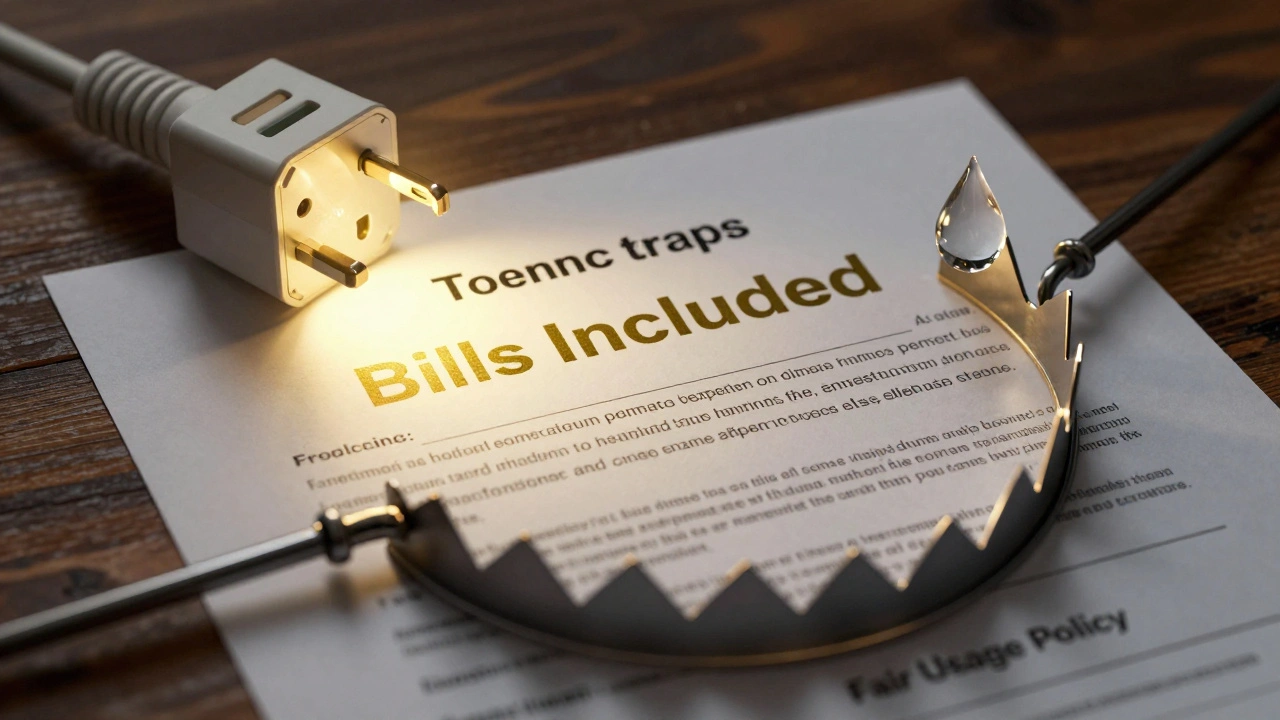
When a landlord says bills are included, they aren't offering a bottomless pit of free energy. They are essentially making a bet on how much you'll spend. To protect their profit margins from a tenant who might leave the heating on 24/7 with the windows open, they insert a cap. The problem is that many Student Tenancy Agreements don't clearly state what that cap is in pounds or kilowatt-hours (kWh). Instead, they use phrases like 'reasonable use' or 'standard consumption.'
What is 'reasonable'? To a landlord, it might mean one heater for four hours a day. To a student trying to write a dissertation in a drafty room in January, it might mean keeping the room at 18 degrees. This ambiguity is where the conflict starts. If the landlord doesn't provide a smart meter or a way to track your usage, you're essentially flying blind until the bill arrives.
Common Triggers for Extra Charges
Most students get hit by FUP charges because of a few specific habits. The biggest culprit is portable electric heaters. Many UK student rooms have outdated central heating that doesn't quite reach the corners of the room. Plugging in a 2kW plug-in radiator for a few hours a day can spike your energy usage faster than anything else. Another common trigger is the 'eternal' laundry cycle-running a tumble dryer multiple times a week when the weather is too damp to hang clothes outside.
Water usage is another area to watch. While less common than energy disputes, some contracts limit water usage. If you're taking 30-minute showers every morning, you might cross a threshold. In the UK, Ofgem regulates energy prices, but the internal agreement between a landlord and a tenant is a private contract, meaning the landlord can set their own 'fair' limits as long as they are legal and transparent.
| Feature | Fixed Cap (The Good Way) | Vague Clause (The Risky Way) |
|---|---|---|
| Definition | "Up to £150 per month for electricity" | "Within reasonable limits of usage" |
| Predictability | High - You know the limit | Low - Landlord decides later |
| Tracking | Usually tied to a meter reading | Often based on total house average |
| Dispute Risk | Low (Numbers don't lie) | High (Subjective interpretation) |
How to Spot a Bad Contract
Before you sign your lease, you need to treat the bills section like a legal investigation. If the contract says 'Bills included subject to fair usage,' your first question must be: 'What exactly is the limit?' If the landlord says 'don't worry about it, no one ever goes over,' that is a red flag. If the limit is reasonable, they will have a specific number or a documented average they can show you.
Look for mentions of Smart Meters. If the property has them, ask for access to the app or the display. This allows you to see exactly how many kWh you're using in real-time. Without this, the landlord is the only one with the data, which puts you at a disadvantage during a dispute. Also, check if the FUP applies to the individual room or the whole house. In shared houses, one 'energy hog' can push the entire property over the limit, and some unfair contracts split that extra cost equally among all tenants, regardless of who used the energy.
Defending Yourself Against Unfair Charges
If you receive a bill for exceeding a fair usage limit, don't just pay it immediately. First, ask for the evidence. The landlord must provide actual meter readings or a detailed bill from the energy provider. A vague statement like 'your usage was higher than last year' isn't proof. You have the right to see the data that proves you exceeded the cap.
If the contract didn't define 'reasonable use' and you've behaved like a normal human being-not running a crypto-mining rig or a commercial laundry service-you can challenge the charge. In the UK, the Citizens Advice bureau provides excellent guidance on tenant rights. They often argue that if a term in a contract is too vague to be understood by the consumer, it may be unenforceable. You can also reach out to your university's student union, which usually has a housing officer specifically trained to handle these disputes.
Practical Tips for Staying Under the Limit
Living sustainably isn't just good for the planet; it's the best way to avoid student tenancy agreement penalties. Start by auditing your electronics. Old gaming PCs and amplifiers can draw significant power even when they aren't in active use. Use a power strip to turn everything off at the wall when you leave for lectures.
- Heat the human, not the room: Use a dressing gown and a hot water bottle instead of cranking up a plug-in heater.
- Cold wash: Set your washing machine to 30 degrees. Modern detergents work just as well at lower temperatures.
- Air dry: Use a drying rack. Tumble dryers are among the most energy-hungry appliances in any home.
- LED Swap: If the landlord provided old halogen bulbs, ask if you can swap them for LEDs (and keep the old ones to put back when you move out).
Another pro tip: take photos of the meters on the day you move in. This establishes a baseline. If the landlord tries to claim you've used a massive amount of energy in the first month, you can prove whether that was actually your usage or just a leftover balance from the previous tenant.

The Long-term Perspective: Is 'Bills Included' Worth It?
For many, the convenience of a single monthly payment is worth the risk. It simplifies budgeting and removes the stress of setting up accounts with British Gas or Octopus Energy. However, if you are someone who prefers total control and wants to ensure you aren't paying for a roommate's excessive habits, a 'bills excluded' contract might actually be cheaper and less stressful. When you manage the bills yourself, you have direct access to the provider and can switch to cheaper tariffs.
Can a landlord legally charge me more if I exceed a fair usage limit?
Yes, as long as the Fair Usage Policy was clearly outlined in the contract you signed. However, if the term 'reasonable use' was not defined with specific numbers or examples, the charge may be successfully challenged as an unfair contract term.
What should I do if my housemates are using all the energy and I'm being charged?
This is a common issue in joint tenancies. If the contract makes you 'jointly and severally liable,' the landlord can charge any of you for the total overage. Your best bet is to agree on a house code of conduct regarding heating and laundry, or suggest installing individual room meters if the landlord is open to it.
How do I prove my energy usage was 'reasonable'?
Keep a diary of your heater use or take weekly photos of your smart meter. Compare your usage to the national average for a one-bedroom student flat, which is available through energy provider data. If you are within the average range, the landlord's claim of 'unreasonable' use is hard to justify.
Does the Fair Usage Policy apply to water and internet too?
It can. While electricity and gas are the most common, some contracts include caps on water (to prevent leaks or extreme waste) and data caps on broadband. Check the 'Utilities' section of your contract for any mention of 'bandwidth limits' or 'water thresholds.'
Where can I get help if I have a dispute with my landlord over bills?
Start with your university's accommodation office or student union. If that doesn't work, contact Citizens Advice or a local housing charity like Shelter. They can help you determine if the FUP clause is legally binding and how to draft a formal dispute letter.
Next Steps for New Tenants
If you're currently looking for housing, don't be afraid to ask the 'awkward' questions. Asking for the specific kWh limit of a fair usage policy doesn't make you a difficult tenant; it makes you a smart one. If a landlord refuses to give you a number, assume there is a reason for it and factor a potential 'energy buffer' of £200-£300 into your yearly budget just in case.
For those already in a flat, start tracking your usage now. Don't wait for the end of the term to find out you've crossed a line. Use a simple app or a notebook to log your meter readings every Sunday. This puts you in the driver's seat and ensures that no one can surprise you with a massive bill during your final exams.