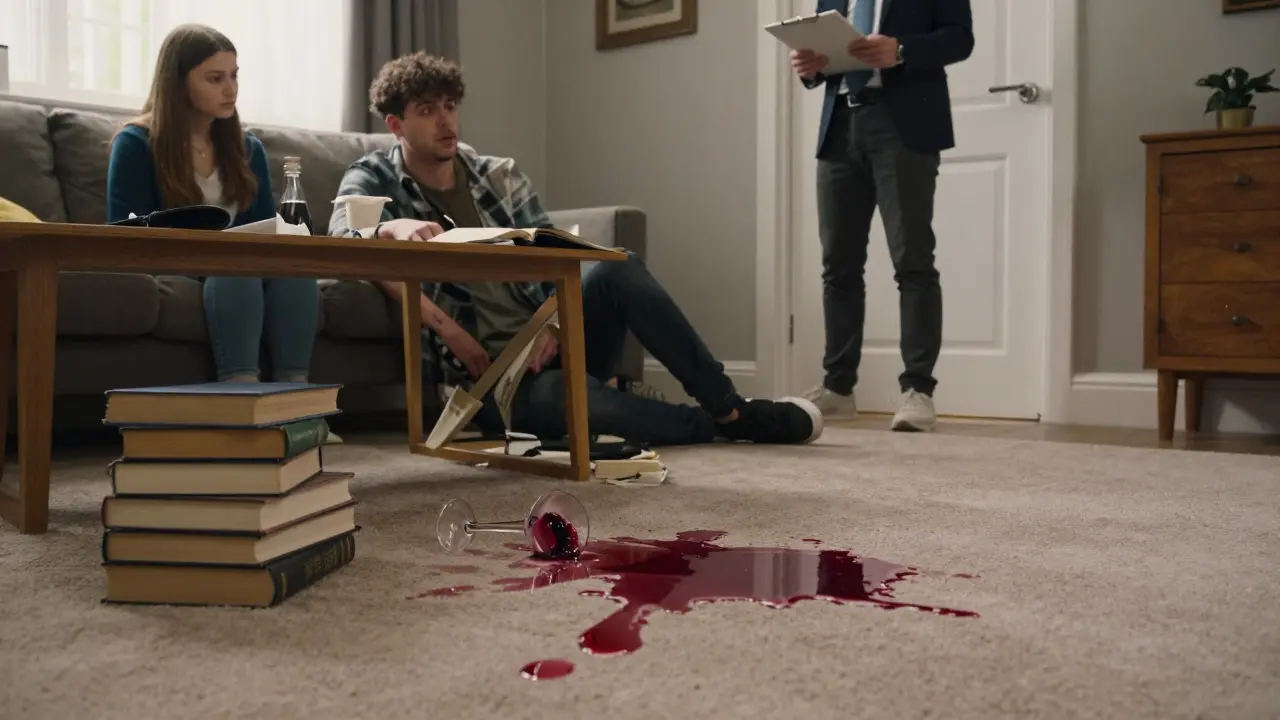
It happens more often than you’d think. One roommate drops a box of books, another spills red wine on the carpet, and suddenly the landlord is asking for £500 out of your security deposit. In a UK student house, figuring out who owes what can feel like solving a puzzle with missing pieces. The good news? You don’t have to guess. Understanding how shared responsibility works under UK tenancy law can save you from unfair bills and awkward group chats.
The core issue isn't just about who broke it, but how liability is split among multiple tenants. Whether you’re signing a joint tenancy or individual leases, the rules differ significantly. This guide breaks down exactly how damage costs are calculated, when "fair wear and tear" protects you, and how to handle disputes before they drain your bank account.
Joint Tenancy vs. Individual Leases: The Legal Difference
Before we talk about broken lamps, we need to look at your contract. Most UK student houses operate under one of two legal structures, and this determines everything about how damage is handled.
Joint Tenancy is a lease where all tenants sign a single agreement and are collectively responsible for the entire property. In this setup, if one person damages the sofa, the landlord can claim the full cost from any tenant. It’s a bit like a group project where everyone gets the same grade, even if only one person did the work. If Roommate A burns a hole in the rug, the landlord might deduct the repair cost from Roommate B’s deposit. Roommate B then has to chase Roommate A for reimbursement privately.
Individual Leases, on the other hand, are separate contracts for each room, often used in Houses in Multiple Occupation (HMOs). Here, liability is usually limited to your specific room and common areas you directly caused damage in. If you break your own window, you pay. If your roommate breaks theirs, that’s their problem. However, common areas like kitchens and living rooms can still be tricky, as these are shared spaces.
| Feature | Joint Tenancy | Individual Lease (HMO) |
|---|---|---|
| Contract Type | Single document signed by all | Separate documents per tenant |
| Liability Scope | Entire property (collective) | Own room + direct common area damage |
| Risk Level | High (one person's mistake affects all) | Low to Medium |
| Deposit Recovery | Landlord can deduct from any tenant | Landlord deducts only from responsible tenant |
Fair Wear and Tear: Your Best Friend
Not every scratch is a billable offense. Under UK law, landlords cannot charge you for Fair Wear and Tear, which is damage resulting from normal use of the property over time. This is a crucial distinction that many students miss until the final inspection.
Think of it this way: carpets fade slightly after a year of foot traffic. That’s fair wear. But a coffee stain left for three months? That’s damage. Walls may show minor scuffs from moving furniture, which is acceptable. But a nail hole from hanging a poster without permission? That’s a fixable damage cost.
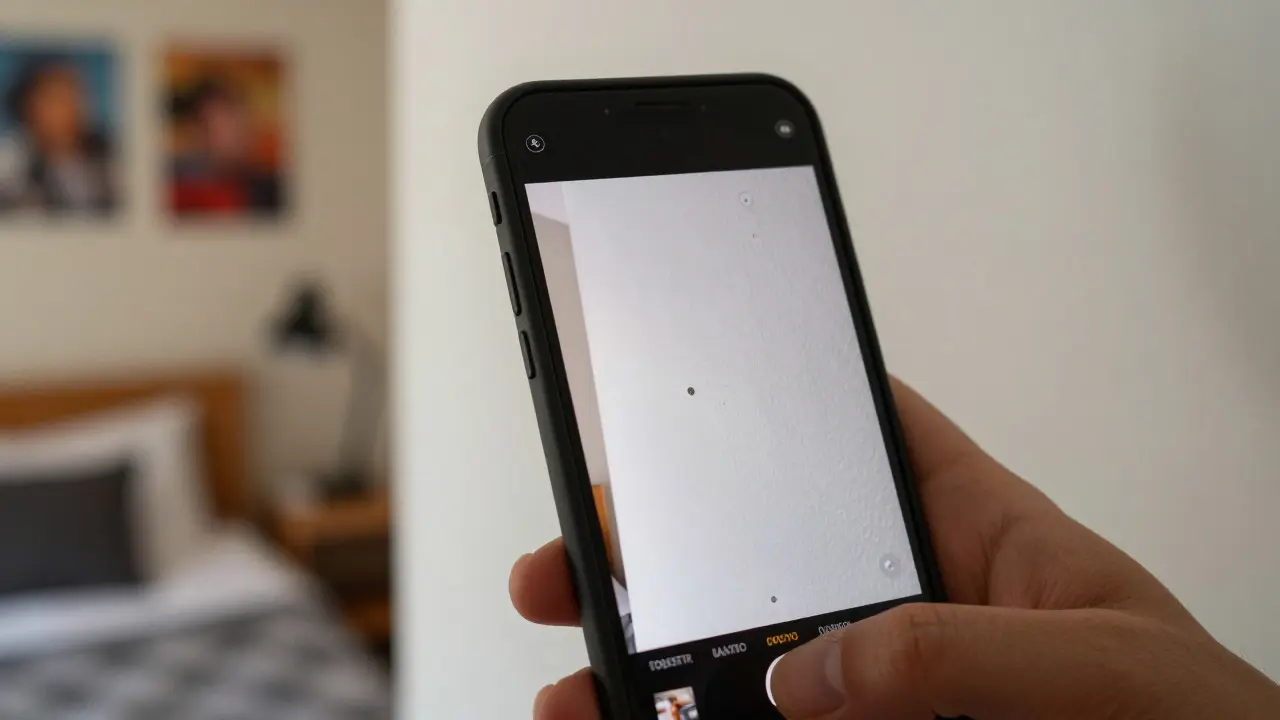
To protect yourself, always take photos of the property on move-in day. Create a detailed inventory list with your roommates, noting existing scratches, stains, or loose hinges. Both you and the landlord should sign this document. When you move out, compare the condition against this baseline. If the damage existed before you arrived, it shouldn’t count against your deposit.

How Costs Are Calculated and Split
When damage does occur, the calculation follows a logical path, though it can get messy in practice. Landlords typically hire professional cleaners or contractors to assess the cost. They aren’t allowed to charge for "replacement as new" unless the item was actually new. Instead, they must account for depreciation.
For example, if you break a curtain rail in a house that’s been rented for five years, the landlord can’t charge you for a brand-new rail. They can only charge for the remaining value of the old one plus the cost of installation. This is known as the "diminution in value" principle.
In a joint tenancy, the total cost is usually split equally among all tenants, regardless of fault, unless proven otherwise. So, if the total damage is £300 and there are four roommates, each pays £75. If you know exactly who caused the damage, you can try to negotiate a different split internally, but the landlord doesn’t care who did it-they just want the money.
- Minor Damage: Usually covered by cleaning fees or small repairs (e.g., touch-up paint).
- Moderate Damage: Requires professional repair (e.g., replacing a broken door handle).
- Major Damage: Full replacement or significant renovation (e.g., water damage from a burst pipe).
Navigating Disputes and Deposit Protection
If you disagree with the deduction amount, you have rights. All UK private rentals must place deposits in an approved government-backed scheme, such as TDS (Tenancy Deposit Scheme) or MyDeposits. These schemes offer free dispute resolution services.
If the landlord deducts too much, you can raise a dispute through the scheme. The process is straightforward: submit evidence (photos, invoices, correspondence), and an independent adjudicator makes a decision. While not legally binding, most landlords respect these rulings because going to court is expensive and slow.
Keep all communication in writing. Text messages and emails are your best friends. If a landlord calls you to discuss damage, follow up with an email summarizing what was said. This creates a paper trail that helps if things go south.
Practical Tips for Avoiding Surprise Bills
Prevention is cheaper than cure. Here are some actionable steps to minimize risk:
- Sign a House Agreement: Even if you have a joint tenancy, create a private agreement among roommates detailing how damage costs will be split. Include clauses for pet damage, party incidents, and guest responsibilities.
- Document Everything: Take timestamped photos of every room on move-in and move-out. Use apps that add location and date stamps automatically.
- Communicate Early: If something breaks, tell the landlord immediately. Hiding small issues can turn them into big ones (and make you look negligent).
- Understand Insurance: Check if your student insurance covers accidental damage. Some policies cover up to £1,000 for unintentional breakages, which can offset major costs.
Remember, the goal isn’t to avoid all responsibility, but to ensure you’re only paying for what’s truly yours to fix. By understanding the legal framework and keeping clear records, you can navigate the end-of-tenancy process with confidence and fairness.
Can a landlord charge me for damage I didn't cause in a joint tenancy?
Yes. In a joint tenancy, all tenants are jointly and severally liable for the entire property. The landlord can recover the full cost of damage from any single tenant, regardless of who caused it. You would then need to seek reimbursement from the responsible roommate privately.
What counts as fair wear and tear in a student house?
Fair wear and tear includes minor fading of carpets, slight scuff marks on walls, and general aging of fixtures due to normal use. It excludes damage caused by negligence, accidents, or misuse, such as large holes, stains, or broken windows.
How long does a landlord have to return my deposit?
In England, landlords must return the deposit within 10 days of the tenancy ending, provided there are no disputes. If there is a dispute, the timeline depends on the resolution process, but the deposit must remain in the protection scheme until resolved.
Do I need to clean the house before moving out?
Usually, yes. Unless your contract states otherwise, tenants are expected to leave the property in a reasonably clean condition. Professional cleaning costs are often deducted from the deposit if the house is left dirty beyond normal wear and tear.
What should I do if my roommate refuses to pay their share of damage?
First, try to resolve it amicably with written proof of the debt. If that fails, you can pursue a small claims court action. Keep all records, including the house agreement, photos, and payment receipts, to support your case.