
You just landed that first big freelance gig while studying in the UK. The money hits your bank account, and you feel a rush of independence. But then comes the quiet dread: taxes. As a student freelancer, you aren't on a standard PAYE payroll where deductions happen automatically. Instead, you are responsible for telling HM Revenue and Customs (HMRC) how much you earned. This process is called self-assessment, and getting it wrong can lead to fines or unexpected debt.
Navigating the UK tax system as a student is tricky because your income fluctuates, you might have other sources of earnings, and the rules change slightly every year. For the 2025/26 tax year, understanding your allowances, deadlines, and filing obligations is not just about compliance-it’s about keeping more of the money you worked hard to earn. Let’s break down exactly what you need to do, when you need to do it, and how to avoid common pitfalls.
Do You Actually Need to File?
The first question isn't 'how' to file, but 'if' you need to file at all. Many students assume they must declare every single penny, but that isn't true. Your obligation depends on your total taxable income from all sources.
In the 2025/26 tax year, the Personal Allowance is £12,570. This means if your total taxable income from freelancing, part-time jobs, and investments is below this amount, you generally owe no income tax. However, there is a catch. If your gross income (before any deductions) exceeds £100,000, your Personal Allowance reduces by £1 for every £2 over the limit, disappearing completely at £125,140. For most students, this won't apply, but it's good to know.
You must register for self-assessment if:
- Your self-employed profits exceed £1,000 (the Trading Allowance).
- You earned more than £100 from employment where tax wasn't deducted correctly.
- You received untaxed interest or dividends above specific thresholds (£2,000 for basic rate taxpayers).
- You are a partner in a business partnership.
If you stay under these thresholds, you likely don't need to file a return. But if you cross them, even by a pound, you need to act. Ignorance of the threshold is not a valid excuse with HMRC.
Key Deadlines for the 2025/26 Tax Year
Missing a deadline is the fastest way to incur penalties. The UK tax year runs from April 6 to April 5. Here is the timeline you need to mark on your calendar for the 2025/26 tax year:
| Action | Deadline | Consequence of Missing |
|---|---|---|
| Register for Self-Assessment | October 5, 2026 | Fine of up to £100 per day until registered |
| File Paper Tax Return | January 31, 2027 | £100 fixed penalty immediately |
| File Online Tax Return | January 31, 2027 | £100 fixed penalty immediately |
| Pay Any Tax Owed | January 31, 2027 | Interest charges + potential further penalties |
Note that the registration deadline is October 5 of the *following* tax year. So for income earned between April 6, 2025, and April 5, 2026, you must register by October 5, 2026. Filing and payment are due by January 31, 2027. Always aim to submit online; paper returns have an earlier deadline and are harder to track.
Understanding Allowances and Deductions
This is where you can legally reduce your tax bill. HMRC allows you to deduct certain costs from your income before calculating tax. There are two main ways to handle expenses: the actual cost method or the flat rate allowance.
The Trading Allowance
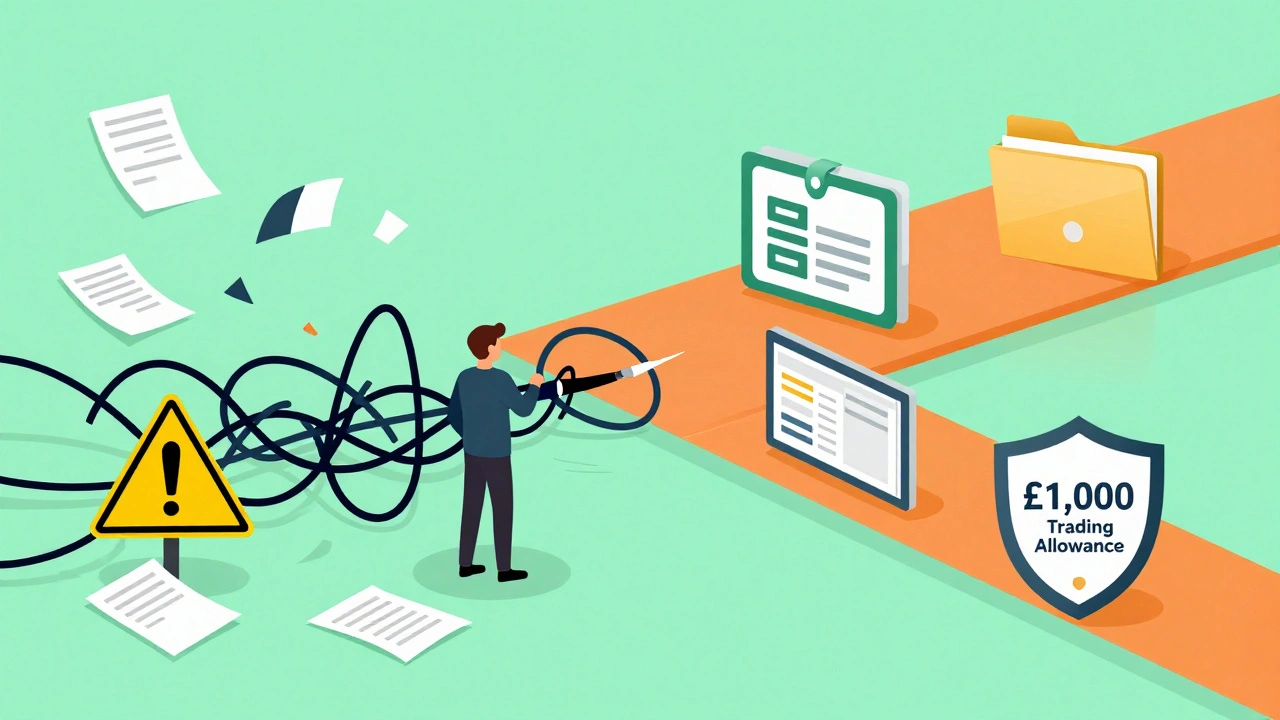
If your total sales revenue from freelancing is £1,000 or less, you can use the Trading Allowance is a tax-free allowance of £1,000 for self-employed individuals. You pay zero tax on this income and don’t need to keep detailed records of expenses. It’s perfect for small side hustles like selling handmade crafts or occasional graphic design work.
Actual Expenses vs. Flat Rates
If your income exceeds £1,000, you should claim actual expenses if they are higher than the flat rate. Common deductible expenses for students include:
- Home Office Costs: If you work from home, you can claim a portion of your rent, electricity, and internet. A simple method is using HMRC’s approved mileage rates or a flat weekly rate based on hours worked.
- Equipment: Laptops, software subscriptions (like Adobe Creative Cloud), and phones used for business.
- Travel: Mileage for client meetings (not commuting to your regular place of study).
- Marketing: Website hosting, domain names, and advertising costs.
Keep receipts. Digital photos in a dedicated folder are sufficient for HMRC purposes. Without proof, claims can be rejected during an enquiry.
How to Register and File
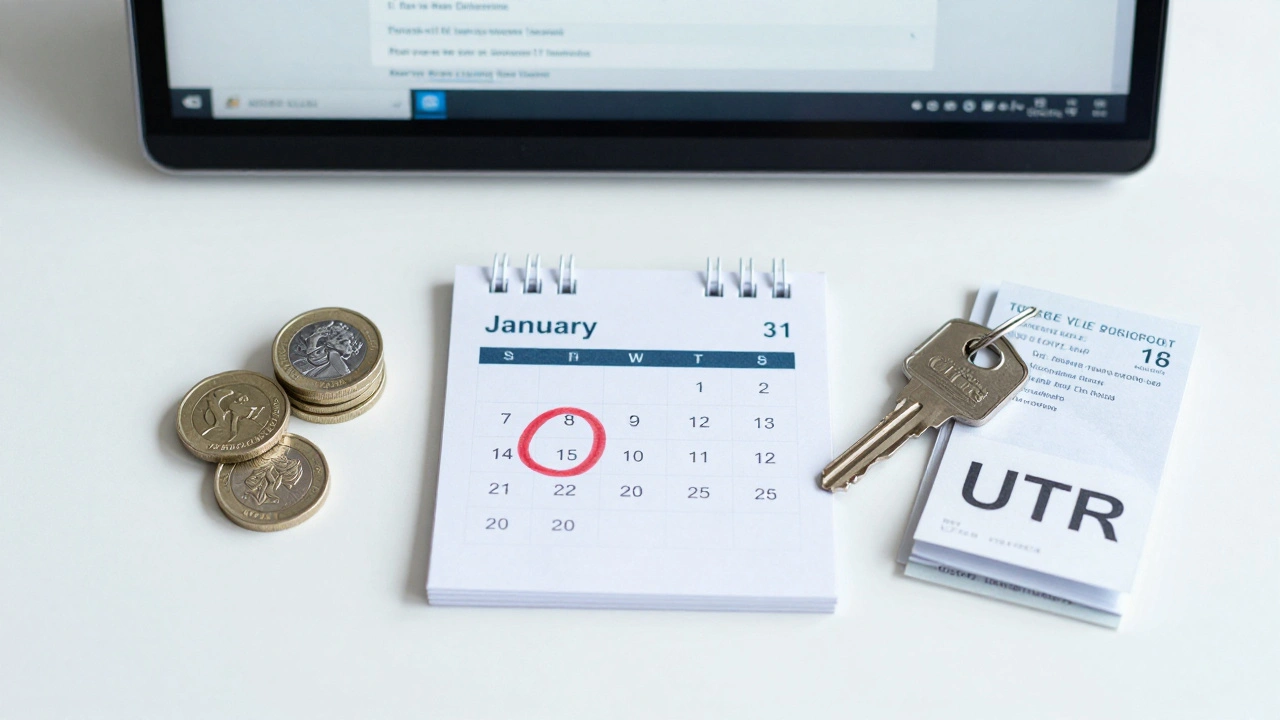
Registering is straightforward but time-sensitive. Go to the GOV.UK website and search for 'register for self-assessment.' You’ll need your National Insurance number. After registering, HMRC will send you a Unique Taxpayer Reference (UTR) by post. This usually takes 10 working days if you register online, or up to 21 days if you register by phone.
Once you have your UTR, you can log into your Government Gateway account to file your return. Most students find using accounting software like Xero, QuickBooks, or FreeAgent helpful. These tools connect to your bank account, categorize transactions, and auto-fill parts of your tax return. They also calculate your VAT liability if you’re registered (though VAT registration is only mandatory if your turnover exceeds £90,000, which is unlikely for most students).
Paying Your Taxes
When you file your return, you’ll see how much tax you owe. Payment is due by January 31st. You can pay via Direct Debit, bank transfer, or debit/credit card. If you expect to owe tax next year, consider setting up a separate savings account and transferring a percentage of each freelance payment into it. A common rule of thumb is to save 20-30% of your net income for tax purposes.
If you cannot pay the full amount by the deadline, contact HMRC immediately. They may offer a Time to Pay arrangement, allowing you to spread payments over several months without additional penalties. Never ignore the bill; it will only get worse with interest.
Common Mistakes to Avoid
Many student freelancers make the same errors. Avoid these traps:
- Confusing Gross and Net Income: Report your profit (income minus allowable expenses), not just your total sales.
- Forgetting Other Income: Include income from part-time jobs, scholarships (if taxable), and investments. All taxable income is aggregated.
- Ignoring VAT: If you charge clients who require VAT invoices, ensure you understand your status. You don’t need to be VAT registered to charge VAT if you’re under the threshold, but you must be honest about your status.
- Mixing Personal and Business Finances: Use a separate bank account for freelancing. It simplifies record-keeping and makes claiming expenses easier.
Next Steps for Student Freelancers
Start by checking your total income for the 2025/26 tax year. If it’s over £1,000, register for self-assessment before October 5, 2026. Gather your receipts, choose whether to use the Trading Allowance or claim actual expenses, and consider using accounting software to automate the process. Set a reminder for January 31, 2027, to file and pay. By staying organized now, you’ll avoid stress later and keep more of your hard-earned money.
Can I claim my university tuition fees as a business expense?
No, tuition fees are generally not deductible as a business expense unless the course is directly related to your current trade and provides a specific benefit to your business. General education costs are considered personal expenses.
What happens if I earn less than £1,000 from freelancing?
If your gross trading income is £1,000 or less, you can use the Trading Allowance. You pay no tax on this income and do not need to file a self-assessment return specifically for this activity, provided you have no other taxable income requiring a return.
Do I need to register for VAT as a student freelancer?
You only need to register for VAT if your taxable turnover exceeds £90,000 in a 12-month period. Most student freelancers will not reach this threshold. Voluntary registration is possible but usually not beneficial for small businesses.
How long do I need to keep my financial records?
HMRC requires you to keep records for at least 5 years and 10 months after the January 31 filing deadline for the relevant tax year. For example, for the 2025/26 tax year, keep records until at least November 2032.
Can I claim expenses if I don’t have receipts?
HMRC accepts reasonable estimates if you lack receipts, but you must be able to justify them. Digital records, bank statements, and credit card bills are acceptable evidence. For very small amounts, a simple logbook may suffice, but larger purchases require proof.