
Missing a deadline for Student Finance is one of the most stressful experiences a university applicant can face. You might have your offer letter in hand and your accommodation sorted, but if you miss the window to apply for funding, you could start the semester without money for rent or books. The system isn't just about filling out a form; it involves coordinating with different government bodies depending on where you live and study.
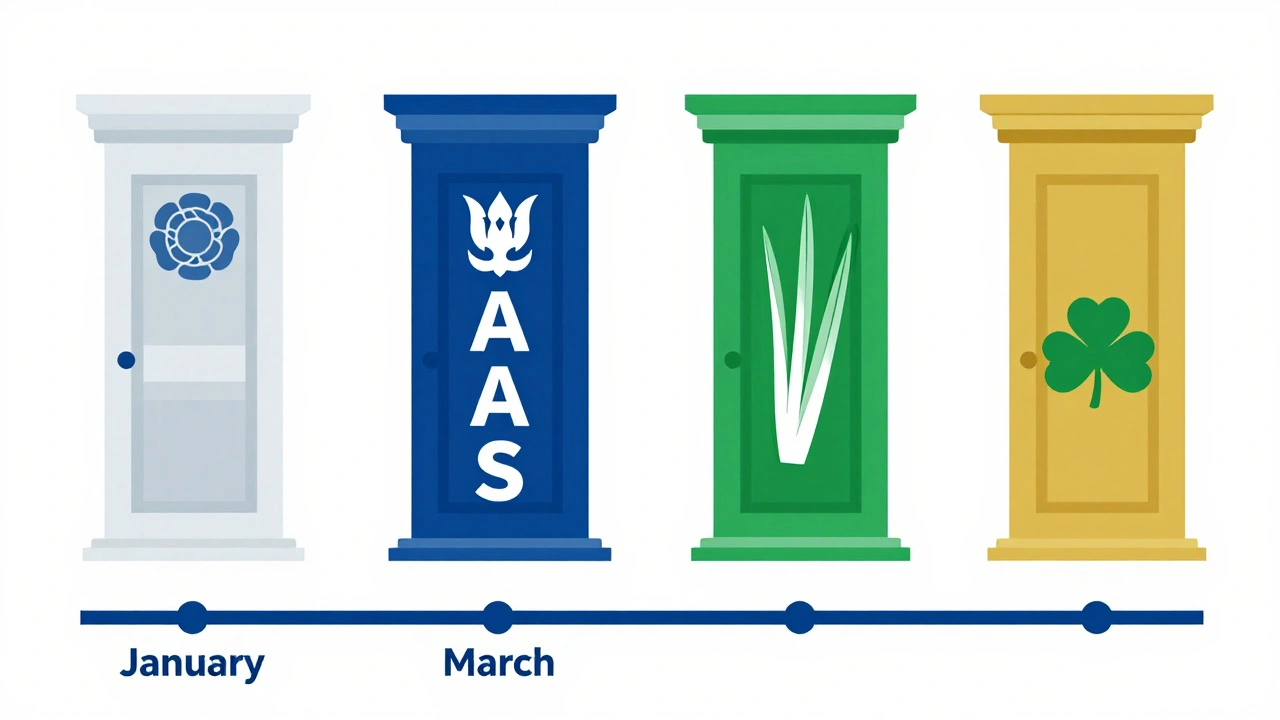
In the UK, there isn't a single deadline that applies to everyone. Instead, you are dealing with four distinct agencies: Student Finance England, SAAS (Scotland), Student Finance Wales, and Student Loans Northern Ireland. Each has its own rules, opening dates, and closing times. For the academic year starting in September 2026, getting this right means understanding not just *when* to click submit, but *what* documents you need to prove your identity and household income.
Key Takeaways for 2026 Applications
- The Golden Rule: Apply as soon as possible after the portal opens. Late applications are processed later, meaning you might not get your first payment until weeks into term.
- England Deadline: Typically mid-July for full-time students. For part-time, it’s often earlier, around May.
- Scotland (SAAS): Deadlines vary by course type and whether you are an EU or international student, but generally fall between March and June.
- Wales & NI: Usually align closely with England, with deadlines in July, but always check specific guidance for postgraduate loans.
- Identity Verification: This is the new bottleneck. Expect to use an app like Yoti or upload documents early to avoid delays.
Understanding the Four Agencies and Their Timelines
The biggest mistake students make is assuming their home country determines everything. While your residency dictates which agency handles your application, your university location can sometimes affect eligibility for travel grants or specific bursaries. Let’s break down the specific timelines for the 2026/2027 academic year based on historical patterns from previous years.
| Agency | Opens For Application | Deadline (Full-Time) | Deadline (Part-Time) |
|---|---|---|---|
| Student Finance England | Early January 2026 | Mid-July 2026 | May 2026 |
| SAAS | March 2026 | June 2026 (varies) | Case-by-case |
| Student Finance Wales | January 2026 | July 2026 | July 2026 |
| Student Loans Northern Ireland | January 2026 | July 2026 | July 2026 |
Note that these dates are estimates based on previous cycles. The portals usually open when you receive your conditional or unconditional university offer. If you don’t have an offer yet, you can often still register an account and save your draft, but you cannot finalize submission until you have confirmed enrollment details.
What You’ll Need Before You Start
Don’t wait until the night before the deadline to gather your paperwork. The application process requires specific data points that take time to locate. Here is the essential checklist:
- University Details: You need the exact name of your institution and the course code. If you’re unsure, check your offer letter. Getting this wrong causes immediate rejection.
- Bank Account: You must have a personal current account in your name. Joint accounts or savings accounts alone won’t work for receiving maintenance loans. Make sure your sort code and account number are handy.
- PASRR Number: If you’ve applied for student finance before, you’ll have a Personal Assessment System Reference Record (PASRR) number. Keep this safe. It links your past financial assessments to your current application.
- Parental/Guardian Financial Info: For means-tested maintenance loans, you need your parents’ or guardians’ tax year income details. This usually refers to the income from the last completed tax year (e.g., April 2024 to April 2025). If they self-assess, you may need their Unique Taxpayer Reference (UTR).
- ID Documents: A valid passport, birth certificate, or national ID card. Digital verification is now standard, so ensure your photo ID is clear and unexpired.
If you are living with a partner, their income might also be considered depending on your relationship status and how long you’ve been together. Be honest about this; discrepancies flagged later can lead to criminal charges for fraud.
The Identity Verification Process
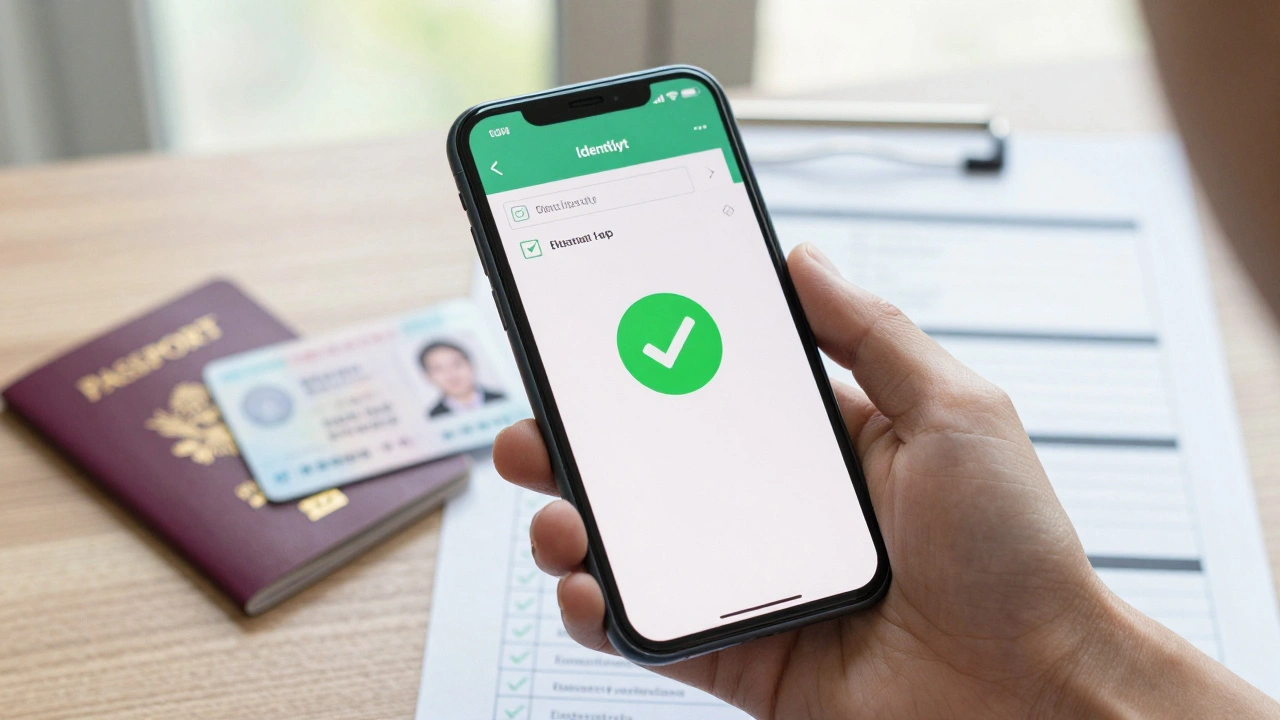
Gone are the days when you simply uploaded a PDF of your passport. Most agencies now use digital identity verification services to speed up processing and prevent fraud. Yoti is the primary provider used by Student Finance England and others.
Here’s how it works: You download the Yoti app, create an account, and link it to your student finance profile. Then, you follow prompts to scan your ID and take a selfie. The system matches your face to the photo on your ID. This process usually takes less than five minutes. However, if the AI flags any issue-like poor lighting or a glare on your glasses-you’ll be asked to retry. Do this immediately. Waiting until the deadline week to deal with technical glitches is a recipe for disaster.
If you cannot use digital verification due to disability or lack of smartphone access, contact your local agency directly. They will arrange an alternative method, but this manual process adds significant time to your assessment. Plan for at least two extra weeks if you go this route.
Means-Tested Maintenance Loans: How It Works
Your tuition fee loan covers the cost of studying, paid directly to your university. The Maintenance Loan is for living costs-rent, food, utilities, and travel. This part is means-tested, meaning the amount you get depends on your household income.
For the 2026/2027 year, the maximum maintenance loan will likely increase slightly to match inflation. However, the calculation remains strict. If your parents earn above a certain threshold, you will receive the minimum amount. If they earn below a lower threshold, you get the maximum. There is no middle ground; it’s a sliding scale based on precise bands.
You can choose to have the maintenance loan paid in three equal installments instead of nine monthly payments. Many students prefer this because it helps cover large upfront costs like rent deposits and buying textbooks at the start of the term. Just remember, once you choose three payments, you cannot switch back to monthly during that academic year.
Common Pitfalls and How to Avoid Them
I’ve seen too many students hit roadblocks because of small oversights. Here are the most common issues:
- Wrong Course Code: Double-check the code against your university’s official website. A typo here means your university rejects your application instantly.
- Ignoring Email Requests: After submitting, you’ll get emails asking for more info. Check your spam folder. If you ignore these, your application freezes.
- Applying Too Late: Even if you apply before the hard deadline, late applications are processed in order of receipt. Applying in July means waiting until October or November for your first payment. Apply in January or February if possible.
- Changing Circumstances: Did your parents lose a job? Did you move house? Tell your finance agency immediately. You can update your application online, and they may adjust your award retroactively.
Special Cases: Postgraduates and International Students
If you’re doing a Master’s or PhD, the rules change. In England, you can apply for a Postgraduate Master’s Loan or Doctoral Loan. These are non-means-tested, meaning your parents’ income doesn’t matter. The deadline is usually later, often extending into August, but don’t rely on this. Universities often require proof of funding before they confirm your place.
International students from outside the EU/EEA generally do not qualify for UK government student finance unless you have settled status or refugee leave. However, some universities offer scholarships specifically for international students. Check your university’s financial aid page separately. If you are an EU student with settled status, you are treated as a Home student and can apply through your regional agency.
Next Steps and Troubleshooting
Once you’ve submitted your application, you’ll receive a confirmation email. Log in to your dashboard weekly to check for updates. If you see a message saying “Action Required,” do it within 48 hours. If your application is rejected, you have the right to appeal. Common grounds for appeal include errors in income calculation or misclassification of your household situation.
Remember, student finance is not just a loan; it’s a contract. Read the terms carefully. Interest rates start accruing from the day you graduate, or even while you’re studying if you earn over a certain threshold (£29,000+ for Plan 2 loans in England, adjusted annually). Understanding this helps you budget better during your studies.
Can I apply for student finance if I haven’t received my university offer yet?
Yes, you can start the application process and create an account. However, you usually cannot finalize and submit the application until you have accepted a firm place at a university. Some agencies allow you to submit with a conditional offer, but payments will only start once you enroll.
What happens if I miss the deadline for student finance?
If you miss the deadline, your application will still be processed, but it will be done later in the queue. This means you might not receive your first maintenance loan payment until several weeks into the academic term. You should apply as soon as possible, even if it’s late, rather than not applying at all.
Do I need to provide my parents' bank statements?
Usually, no. You typically need to provide their total taxable income from the last completed tax year. If they pay tax through PAYE, the system can often verify this automatically. If they self-assess, you may need their Unique Taxpayer Reference (UTR) and potentially a copy of their tax return summary.
How long does it take to get student finance approved?
If you apply early and provide all correct information, approval can take as little as 10-15 working days. However, during peak times (May to July), it can take up to six weeks. Always plan for the worst-case scenario to avoid cash flow problems.
Can I change my bank account details after applying?
Yes, you can update your bank details online through your student finance dashboard. Ensure you do this well before your first payment is scheduled to arrive. Changes made close to payment dates may result in missed transfers.
Is the student loan interest rate fixed?
No, the interest rate changes annually. While you are studying, the rate is usually RPI inflation plus a set percentage (e.g., 1%-3%). After graduation, the rate increases to RPI plus a higher percentage (up to 6.9% for Plan 2 loans). It caps at a maximum rate regardless of how high inflation goes.