
Staring at a laptop screen from 9 AM to midnight is practically a rite of passage for university life. But that blurry text on your lecture slides? That’s not just fatigue-it might be the start of needing prescription glasses. For many UK students, the biggest barrier isn’t realizing they need help; it’s the cost. A pair of decent frames can easily hit £150, and lenses add another chunk of change. Here is the good news: you probably don’t have to pay full price. In fact, depending on where you live in the UK and what kind of support you receive, you might get an eye test completely free and substantial help with the cost of glasses.
Let’s break down exactly how this works without getting bogged down in bureaucratic jargon. We’ll cover who qualifies for free tests, how the voucher system actually functions, and which high-street chains offer specific deals for students. This isn’t about finding a loophole; it’s about using the benefits already set aside for you.
Who Gets a Free Eye Test?
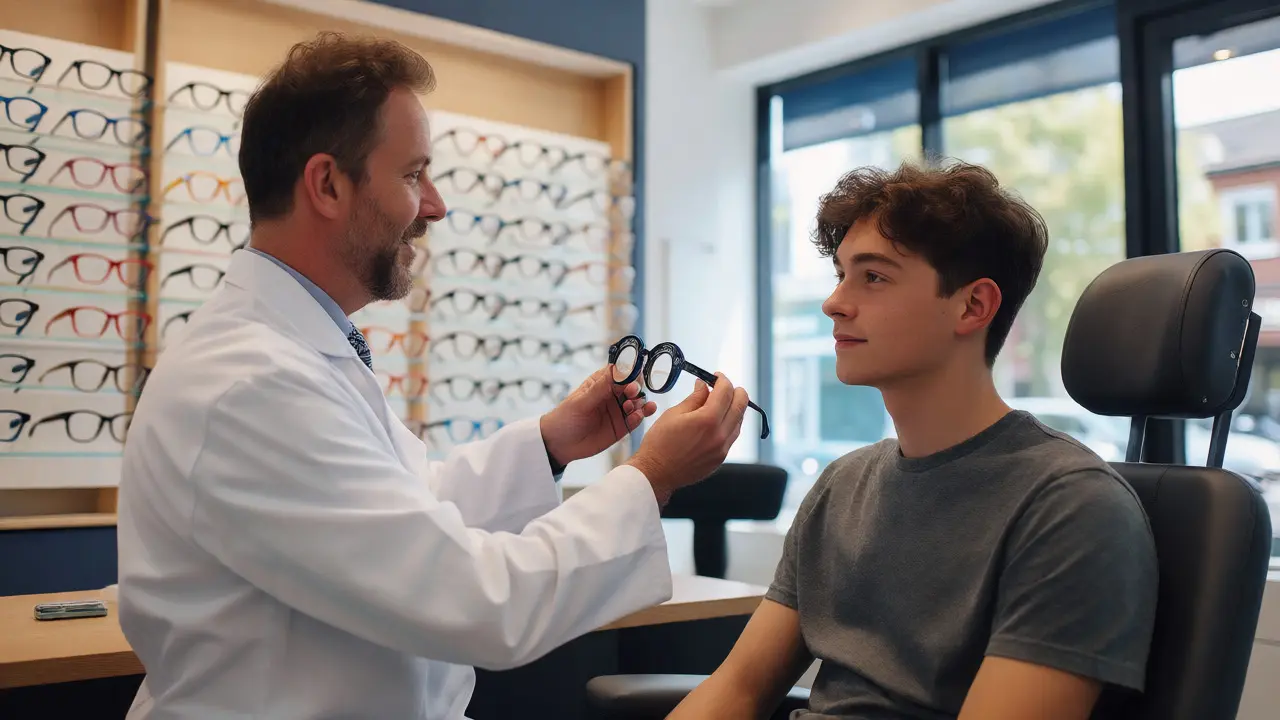
The first question everyone asks is, "Do I qualify for a free test?" The answer depends heavily on where you study. If you are studying in Scotland or Wales, you are in luck. The NHS provides free sight tests for everyone under 16, everyone over 60, and anyone receiving certain benefits, regardless of their exact age bracket. Crucially, if you are a full-time student under 19 (or under 20 if you left school after turning 16), you likely qualify automatically.
In England, the rules are slightly stricter but still favorable for most students. You generally get a free NHS sight test if you are under 16, aged 16-18 and in full-time education, or aged 19+ and receiving specific means-tested benefits like Income Support or Universal Credit. There is also a catch-all category: if you have a diagnosed condition like diabetes or glaucoma, you qualify for annual checks regardless of income.
NHS Sight Test is a basic clinical examination provided by the National Health Service to check your general eye health and vision. Unlike a private consultation, it focuses on detecting diseases and prescribing corrective lenses. It does not typically include advanced diagnostics for complex conditions unless referred.
If you don’t fit these categories, you will likely pay for the test. However, many opticians waive the fee if you buy glasses from them. Always ask before booking. Never assume you have to pay upfront; sometimes the discount is applied at checkout.
Understanding NHS Optical Vouchers
Getting a free test is step one. Step two is affording the glasses. This is where the NHS Optical Voucher comes into play. These aren't cash handed to you; they are certificates issued by the optician during your appointment if you qualify for financial help. You hand this voucher to the optician when buying your frames and lenses, and it deducts a fixed amount from the total bill.
How much money are we talking about? As of 2026, the values haven't changed drastically, but they remain a significant offset. For standard single-vision lenses, the voucher covers roughly £39.10. If you need bifocals or varifocals (progressive lenses), the value jumps to around £54.10. For complex prescriptions requiring specialized materials, it can go up to £73.60. If you wear contact lenses, there is a separate contact lens voucher worth approximately £21.70 per lens.
Here is the critical part: these vouchers only cover the base cost of standard lenses and simple frames. If you choose designer frames or anti-glare coatings, you pay the difference out of pocket. Many students make the mistake of picking expensive frames first, then realizing the voucher barely makes a dent. Start with the voucher amount in mind, then pick frames that keep the total manageable.
Student-Specific Deals from High Street Chains
Beyond the NHS, major opticians know that students are price-sensitive. They compete fiercely for this demographic. While policies change annually, here is what typically exists for students in the UK market right now:
- Specsavers: Often runs "student specials" where you can get a complete pair of glasses for a flat rate (e.g., £99) including the exam. They frequently partner with universities for extra perks.
- Boots Opticians: Usually offers a 15% discount for students who present valid ID. They also run "Glasses for Less" promotions which stack well with student IDs.
- Vision Express: Known for budget-friendly options, they often provide a free eye test with any purchase and have specific low-cost frame ranges designed for younger demographics.
- Superdrug: Offers competitive pricing on entry-level frames and frequently has "buy one get one half price" deals on accessories like cases and cleaning kits.
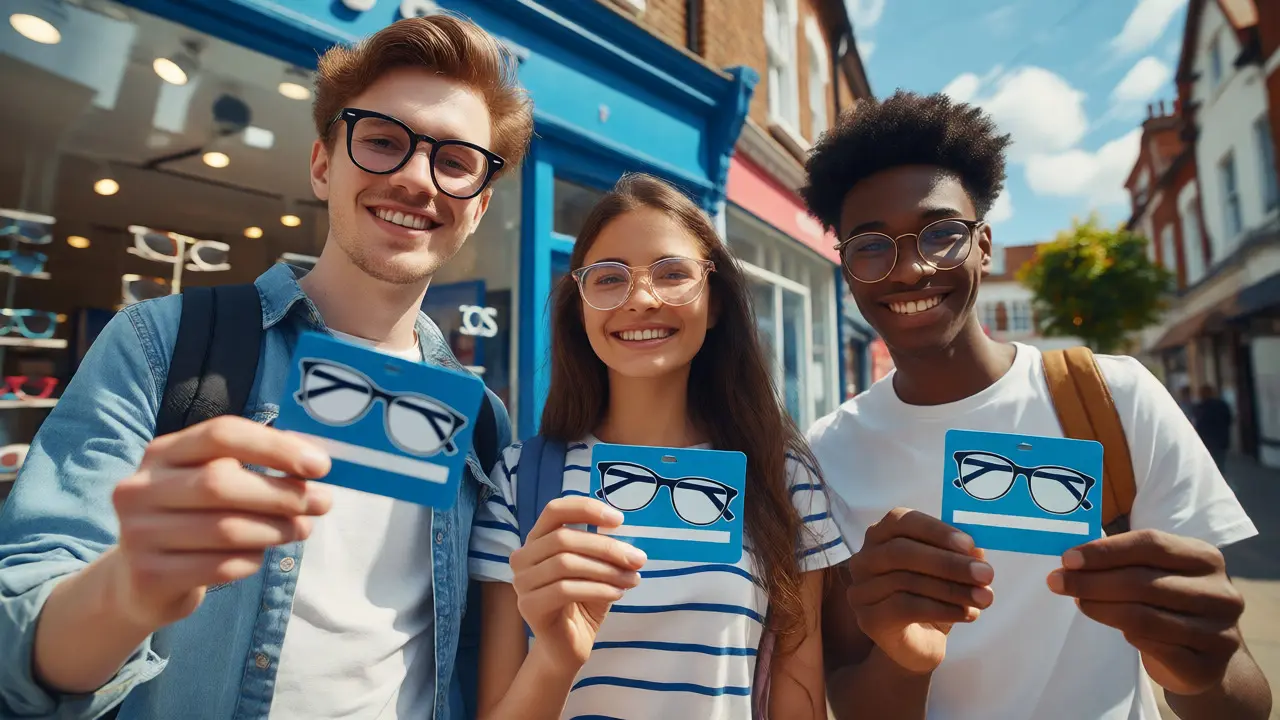
Always bring your student ID card. Not a photo of it-your actual physical card or digital pass via apps like TOTUM. Some chains require proof of enrollment rather than just being a young person looking youthful. If you are between ages, say, 19 and 25, some stores extend "young adult" discounts even if you’ve graduated, so it is worth asking.
Contact Lenses vs. Glasses: The Cost Reality
Many students prefer contacts for sports or aesthetics, but the ongoing cost is higher. An initial fitting for contact lenses can cost between £50 and £100 privately, though some providers include it in subscription plans. Daily disposable lenses can cost £20-£30 per month. Monthly lenses are cheaper per unit but require solutions and cases, adding another £10-£15 monthly.
| Item | Initial Cost | Ongoing Monthly Cost | NHS Help Available? |
|---|---|---|---|
| Standard Glasses | £80 - £150 | £0 (unless broken) | Yes (Voucher ~£39) |
| Daily Contacts | £50 - £80 (Fitting) | £20 - £35 | Yes (Voucher ~£21/lens) |
| Monthly Contacts | £50 - £80 (Fitting) | £15 - £25 | Yes (Voucher ~£21/lens) |
If you plan to wear contacts all day every day, the annual cost can exceed £300. Glasses, once bought, last years. A smart hybrid approach is wearing glasses for lectures and library sessions, and saving contacts for weekends or social events. This stretches your budget significantly.
Hidden Costs and Pitfalls to Avoid
Optical shops are retail environments, not charities. Upselling is standard practice. When you sit down to pick frames, expect the staff to suggest "essential" add-ons. Anti-scratch coating is usually included, but blue-light filtering is often an upsell. Do you really need blue-light blocking? Scientific consensus is mixed on whether it reduces eye strain compared to simply taking breaks. If you stare at screens all day, it might help psychologically, but don’t let it push your budget over the edge.
Another trap is the "complete package" deal. Be wary of bundles that lock you into long-term contracts for contact lens subscriptions. Read the cancellation policy carefully. As a student, your circumstances change rapidly-you might move cities, drop out, or graduate. Ensure you can cancel without hefty fees.
Also, check if your university union offers additional grants. Some unions have hardship funds specifically for medical expenses, including optometry. It is rarely advertised loudly, so email your student advice center directly. Mentioning you are struggling with vision-related costs can sometimes unlock small bursaries of £50-£100.
Practical Checklist Before Your Appointment
To ensure you walk out with the best deal and no surprises, follow this quick prep routine:
- Gather Documents: Bring your NHS number (found on old prescriptions or GP letters), proof of address, and valid student ID.
- Know Your Benefits: If you claim Universal Credit or other benefits, bring your award letter. This proves eligibility for free tests and vouchers instantly.
- Set a Budget: Decide the maximum you can spend out-of-pocket after applying the NHS voucher. Tell the optician this limit upfront.
- Ask About Payment Plans: Most chains offer interest-free payment plans spread over 12 months. This turns a £150 bill into manageable £12.50 monthly chunks.
- Check Warranty: Ask about frame warranties. Accidents happen in dorm rooms. Knowing if a bent frame is covered saves stress later.
Remember, eye health impacts academic performance more than you think. Straining to read slides causes headaches and fatigue, reducing your study efficiency. Investing time in finding the right affordable solution pays off in clearer focus and better grades.
Can I get a free eye test if I am an international student in the UK?
Generally, no. International students on short-term visas (under six months) usually do not qualify for free NHS sight tests. Those studying for longer periods may register with a GP, but entitlement to free optical vouchers often requires residency status and receipt of specific benefits. Check with your university's international office for local partnerships with opticians who offer discounted rates for non-EU/international students.
Do NHS vouchers work for contact lenses?
Yes, but differently. Instead of a standard optical voucher, you receive a contact lens voucher. The value is currently around £21.70 per lens. This helps offset the cost of the lenses themselves but typically does not cover the initial fitting fee or ongoing maintenance solutions.
What if my prescription changes while I am at university?
If your eyesight deteriorates significantly, you may be eligible for a new test earlier than usual. Inform your optician if you notice sudden blurriness. Some private providers offer re-tests within 6-12 months if your prescription has changed noticeably, allowing you to update your glasses without waiting for the standard two-year cycle.
Are online glasses retailers cheaper for students?
Often yes, companies like Warby Parker or Zenni Optical offer lower prices because they skip the physical store overhead. However, you cannot use NHS vouchers online in the same way. You would pay for the test locally, then buy glasses online. This saves money on frames but loses the convenience of adjustments and immediate service. Consider this if you are comfortable ordering without trying on first.
Does my student loan count as income for benefit checks?
No, student loans and grants are generally disregarded when assessing eligibility for means-tested benefits like Income Support or Housing Benefit, which in turn determine eligibility for free NHS sight tests and vouchers. So, having a large student loan balance does not disqualify you from optical assistance.