Being a student in the UK means juggling exams, part-time jobs, and a tight budget. But did you know that your status as a full-time student unlocks access to thousands of pounds in annual savings? From grocery bills to tech gadgets, student discounts are everywhere if you know where to look. The problem isn't a lack of offers; it's finding them before they expire or realizing you need specific verification methods like an NUS card or ISIC.
This guide cuts through the noise to show you exactly which platforms offer the best deals, how to verify your status without hassle, and the smart ways to stack these benefits. Whether you're buying a laptop for coding classes or just trying to eat affordably on campus, there is a voucher waiting for you. Let's get your wallet back on track.
The Core Verification Tools: NUS vs. ISIC
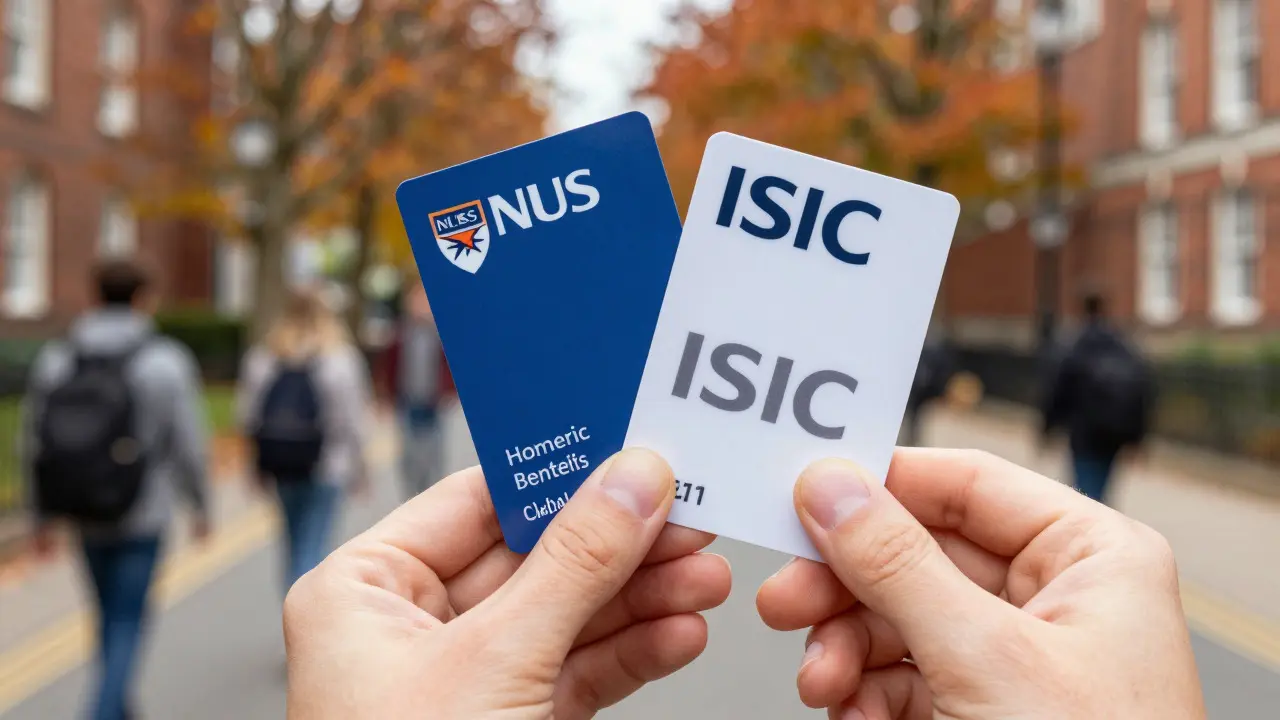
Before you can claim most major discounts, you need proof that you are actually studying. In the UK, two cards dominate this space: the National Union of Students (NUS) card and the International Student Identity Card (ISIC). While both serve similar purposes, they have different strengths depending on what you're buying.
NUS Card is a membership card issued by the National Union of Students that provides access to exclusive student discounts, insurance, and legal advice. It is primarily focused on UK-based students and is widely accepted by high-street retailers like Boots, Currys, and WHSmith. If you are a domestic student at a UK university, this is usually your first stop. The cost is typically around £35 per year, but the savings on a single laptop or phone often cover the price immediately.
ISIC Card is an internationally recognized identity card for students that grants access to over 150,000 discounts worldwide. Unlike the NUS card, ISIC is global. This makes it invaluable if you plan to travel during your semester breaks or if you are an international student studying in the UK. Many museums, airlines, and foreign retailers require ISIC rather than NUS. The card costs approximately £40-£50 annually. For frequent travelers, the difference in acceptance rates is the deciding factor.
Top Retailers with High-Value Student Deals
Not all discounts are created equal. Some save you 5%, while others knock 20% off major purchases. Here are the categories where student vouchers deliver the biggest impact on your bank balance.
- Tech & Electronics: Companies like Apple, Samsung, and Lenovo offer dedicated student stores. These aren't just simple percentage discounts; they often include free gifts (like AirPods or a mouse) when you buy a MacBook or Chromebook. You typically need to verify via UNiDAYS or SheerID using your .ac.uk email address. A £200 gift on a £1,200 laptop is significant cash flow relief.
- Groceries: Tesco and Sainsbury’s offer student pricing schemes. At Tesco, you might get lower prices on everyday essentials if you sign up for their student scheme. It’s not a huge cut, but over a semester, saving 5-10% on food adds up to hundreds of pounds.
- Clothing & Fashion: Brands like ASOS, Next, and Zara frequently run "Student Exclusive" sales. These are often time-limited (e.g., during Black Friday or Back to Campus season). Keep an eye on their social media channels, as flash codes appear there first.
- Streaming & Subscriptions: Spotify, Disney+, and Netflix often bundle services for students. For example, T-Mobile or EE bundles sometimes include free months of streaming services if you’re on a student mobile plan. This reduces your monthly fixed costs significantly.
Digital Aggregators: Where to Find the Codes
Chasing individual retailer websites is tedious. Instead, use aggregator platforms that verify your student status once and then unlock deals across dozens of brands. The three main players in the UK market are UNiDAYS, Student Beans, and HotGigs.
UNiDAYS is a digital platform that verifies student status and provides access to discounts from over 400 brands including Nike, Apple, and Uber. It works via app or website. Once verified, you see a list of available offers. Many are "click-through" deals where you just log in through their link to apply the discount automatically. No code entry needed. This frictionless experience makes it the most user-friendly option for daily shopping.
Student Beans is a competitor to UNiDAYS that focuses heavily on lifestyle deals, music events, and travel discounts. They often have exclusive partnerships with brands like GoPro, Groupon, and various cinema chains. Their verification process is similar, requiring a valid student ID or .ac.uk email. If you find a deal missing on UNiDAYS, check here first.
How do you choose? Download both apps. They don't compete exclusively. You might find a better tech deal on UNiDAYS and a better travel deal on Student Beans. Having both installed ensures you never miss out on a specific brand's promotion.
Hidden Gems: Local and University-Specific Offers
National chains get the headlines, but some of the best value comes from local businesses and your own university infrastructure.
- University Bookshop: Most universities have a bookshop that offers a 10-15% discount to current students. This applies to textbooks, stationery, and even coffee. Don't forget to ask about end-of-term clearance sales, where old edition books are sold at steep discounts.
- Local Transport: Check if your city offers a "Student Bus Pass." Cities like London, Manchester, and Birmingham often subsidize public transport for students. This is one of the highest-value recurring savings available. A monthly pass can be 20-30% cheaper for students than standard fares.
- Gym Discounts: Major gym chains like PureGym, Anytime Fitness, and Gymshark often have student rates. These are typically 10-20% lower than the general public rate. Since fitness is a common priority, this is a worthwhile subscription to optimize.
- Cafes & Restaurants: Many independent cafes near campuses offer "Student Happy Hours" or lunch specials. Ask staff directly. Even if it's not advertised online, showing your student ID can sometimes unlock a 10% off menu item.
How to Maximize Your Savings: Pro Tips
Finding the code is only half the battle. Applying it correctly determines whether you actually save money. Here are practical strategies to ensure you get the maximum benefit.
- Stack When Possible: Some retailers allow you to combine a student discount with a seasonal sale. For example, if ASOS has a 20% off sitewide sale, and you have a 10% student code, check if they can be applied together. Always read the terms and conditions, but many modern e-commerce systems allow stacking.
- Verify Before Expiry: Student status changes. If you graduate, your access ends. Set a reminder for the end of your academic year to renew your NUS or ISIC card if you are continuing studies. Lapsed cards mean lost discounts at checkout.
- Use .ac.uk Emails: Many tech companies (Apple, Microsoft, Adobe) verify you solely via your university email address. Ensure this email is active and linked to your accounts. If you change universities, update your verification details immediately.
- Track Price History: Use browser extensions like Honey or CamelCamelCamel (for Amazon) alongside student codes. Sometimes, the "student price" is already the lowest price, so adding a coupon might not help. Conversely, sometimes a generic coupon works better than the student one. Compare before paying.
- Share with Flatmates: Some subscriptions (like Netflix or Spotify Family) allow multiple users. If your flatmates are also students, split the cost. This effectively doubles your savings power without needing additional codes.
Common Pitfalls to Avoid
Even savvy students make mistakes that cost them money. Watch out for these traps.
First, expired codes. A code that worked last month might be invalid today. If a code doesn't work, don't assume it's broken; check the date. Second, minimum spend requirements. Some student vouchers only activate if you spend over £50 or £100. Read the fine print. Third, exclusions. Often, student discounts exclude sale items, gift cards, or specific premium brands. If you're buying a discounted jacket, the extra 10% student code might not apply. Finally, forgetting to cancel. If you sign up for a trial period using a student discount, remember to cancel if you don't want to continue. Auto-renewals are a common source of unexpected charges.
Frequently Asked Questions
Do I need an NUS card to get student discounts?
No, not always. Many online retailers use digital verification through platforms like UNiDAYS or SheerID, which only requires your .ac.uk email address. However, physical high-street shops like Boots or Currys often still require you to present a physical NUS or ISIC card at the till. It depends on the retailer's policy.
Can postgraduate students use these discounts?
Yes. Full-time postgraduate students are eligible for most student discounts. You just need to verify your status with your university enrollment letter or .ac.uk email. Part-time students may have limited eligibility depending on the specific retailer, so check their terms.
Is it worth buying an NUS card if I mostly shop online?
It depends on your spending habits. If you rarely visit physical stores that require ID, you might save the ~£35 by relying solely on digital verification via UNiDAYS. However, if you buy electronics, clothes, or groceries in person, the card pays for itself quickly. Calculate your typical in-store spending against the card fee.
Do student discounts work on second-hand items?
Generally, no. Student discounts are offered by brands to drive new sales. Platforms like eBay, Vinted, or Facebook Marketplace do not offer official student discounts. However, you can negotiate prices manually with sellers, mentioning your student status might help in casual negotiations, but it's not guaranteed.
What happens if my student status expires mid-year?
Most discounts are tied to your current enrollment. If you finish your degree in June, your access usually ends on July 1st or August 1st. Any subscriptions started under the student rate may revert to the standard price after a grace period. Check the terms of each service to understand the transition timeline.