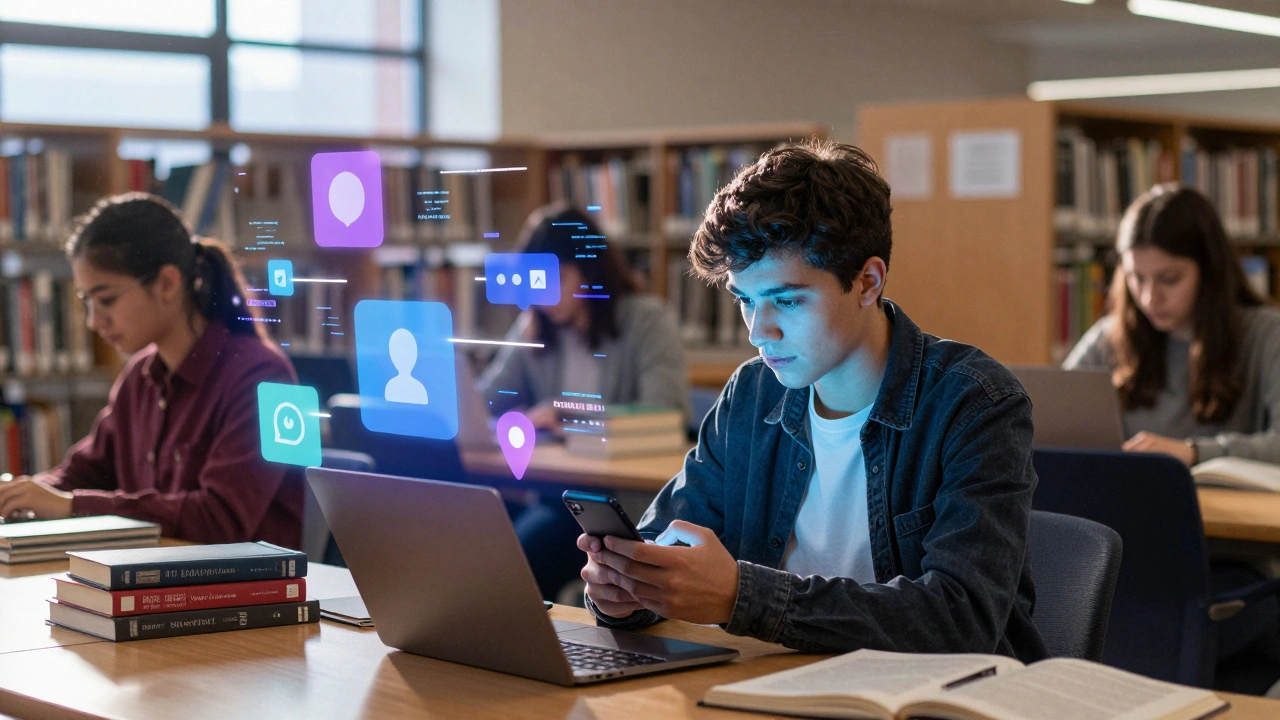
You’re sitting in a library in Manchester or a café in Bristol, scrolling through Instagram. You see a photo of your friend’s fresh pint at the local pub, tagged with their location and university name. It looks harmless enough. But for a UK student is a young adult navigating higher education while managing personal data, digital reputation, and legal rights under UK law, that single post carries weight you might not expect. Your future employer, your landlord, or even your current professor could see it. The question isn’t just about what feels safe to share-it’s about understanding how your digital actions today shape your opportunities tomorrow.
In 2026, the landscape of online privacy has shifted dramatically. With stricter enforcement of the General Data Protection Regulation (GDPR) is the EU-derived data protection law still governing UK privacy rights post-Brexit and new AI-driven scraping tools harvesting public profiles, students are more exposed than ever. This guide cuts through the noise. We’ll look at exactly what you should post, what you should keep private, and how to protect yourself without losing out on the social benefits of being online.
The Hidden Cost of Oversharing
Most students think of privacy as keeping secrets from parents or ex-partners. That’s only part of the picture. In the UK, your digital footprint is the trail of data you leave behind when using the internet, including posts, likes, comments, and metadata follows you far beyond graduation. Employers routinely check social media before offering contracts. A study by the Chartered Institute of Personnel and Development found that over 70% of recruiters now review candidates’ online presence. One careless post about partying too hard or making offensive jokes can cost you an interview you’ve worked months to earn.
Consider Sarah, a final-year law student at University College London. She posted a humorous video mocking a high-profile politician during an election cycle. It went viral. Within weeks, she received emails from several firms withdrawing internship offers. Her mistake wasn’t illegal-it was poor judgment. She forgot that once something is online, it’s nearly impossible to fully erase. Screenshots live forever. Search engines cache pages for years. Even deleted content resurfaces through third-party archives.
This isn’t fear-mongering. It’s reality. Your digital identity becomes part of your professional brand whether you plan it or not. The key is control. You don’t have to stop posting altogether. You just need to be strategic about what goes up and who sees it.
What Should Never Be Posted Online
Some types of content carry disproportionate risk. These aren’t suggestions-they’re red lines. Posting any of the following can lead to serious consequences, including disciplinary action from your university, loss of scholarships, or even legal trouble.
- Full address details: Never share your exact dorm room number, flat address, or home location. Predators and scammers use geotagged photos to track individuals. Instead, tag general areas like “Cambridge” or “Edinburgh.”
- Financial information: Avoid showing bank statements, credit card numbers, student loan documents, or proof of income. Fraudsters target students because they often lack financial safeguards.
- Sensitive political or religious views: While freedom of expression is protected, extreme or inflammatory opinions can alienate potential employers or trigger harassment campaigns. Stick to constructive debate rather than provocative rhetoric.
- Photos involving alcohol or drugs: Even if legal, these images suggest irresponsibility. Many universities have codes of conduct that prohibit substance-related behavior on campus or affiliated events.
- Private conversations: Screenshotting DMs, group chats, or emails without consent violates trust and potentially breaches confidentiality agreements. If someone shares something privately with you, respect that boundary.
Think before you hit publish. Ask yourself: Would I say this in front of my future boss? My grandmother? A judge? If the answer is no, delete it.
Understanding Your Rights Under UK Law
As a resident in the UK, you have powerful legal protections regarding your personal data. The Data Protection Act 2018 is the UK legislation implementing GDPR principles into domestic law gives you specific rights over how organizations handle your information. Here’s what matters most for students:
| Right | What It Means | How to Use It |
|---|---|---|
| Right to Access | You can request copies of all personal data held about you by any organization. | Submit a Subject Access Request (SAR) via email or web form to companies holding your data. |
| Right to Erasure (“Right to Be Forgotten”) | You can ask for deletion of your data if it’s no longer necessary or was collected unlawfully. | Contact platforms directly; cite Article 17 of GDPR if they refuse. |
| Right to Restrict Processing | You can limit how your data is used while disputes are resolved. | Useful when disputing inaccurate records or pending complaints. |
| Right to Object | You can opt out of direct marketing, profiling, or automated decision-making. | Unsubscribe links must work instantly; report failures to ICO. |
If a company ignores your requests, file a complaint with the Information Commissioner’s Office (ICO) is the UK regulatory body responsible for enforcing data protection laws. They investigate violations and can impose fines up to £17.5 million or 4% of global turnover-whichever is higher. Don’t underestimate your power here. Most organizations comply quickly once they realize you know your rights.

Smart Sharing Strategies That Protect You
You don’t need to vanish online to stay safe. Smart sharing means curating your presence intentionally. Follow these practical steps to maintain visibility while minimizing risk.
- Lock down your profiles: Set all social media accounts to private. Review follower lists monthly. Remove anyone you don’t personally know or trust.
- Disable location tagging: Turn off automatic geolocation in camera settings and app permissions. Manually add broad locations instead of precise coordinates.
- Use separate identities: Create distinct accounts for academic/professional use versus casual fun. Keep them completely segregated. No cross-posting between them.
- Audit old content regularly: Every six months, search your name + university on Google. Delete outdated photos, awkward rants, or irrelevant memes. Archive rather than delete if unsure.
- Be cautious with tagging: Always ask permission before tagging others in photos. Some people prefer low visibility. Respect their choice-even if you’re comfortable being seen.
- Limit biometric data exposure: Avoid uploading selfies with facial recognition enabled. Platforms like TikTok and Snapchat collect massive amounts of biometric data. Disable face filters where possible.
These habits take five minutes a week but save hours of stress later. Think of your online profile as a resume extension-not a diary entry.
Navigating University Policies and Academic Integrity
Your institution likely has its own code of conduct covering online behavior. Violating these rules can result in suspension, expulsion, or revocation of degrees. Common pitfalls include:
- Posting exam questions or answers publicly before completion.
- Sharing lecture recordings without instructor permission.
- Creating fake accounts to harass peers or staff members.
- Using generative AI tools to write essays then claiming original authorship.
Many universities monitor public forums related to courses. Anonymous Reddit threads or Discord servers linked to classes may seem secure-but admins often participate undercover. Assume nothing stays hidden. When in doubt, consult your department’s guidelines or speak with a trusted advisor.
Academic integrity extends beyond plagiarism. It includes honesty in representation. Claiming credit for work you didn’t do, misrepresenting qualifications, or fabricating research findings damages credibility permanently. Build trust gradually through consistent ethical behavior-not shortcuts.
Protecting Mental Health in the Age of Comparison
Beyond career risks, excessive sharing harms mental well-being. Constant comparison fuels anxiety, depression, and imposter syndrome. Curated feeds distort reality. Everyone appears happier, richer, smarter than they really are. This illusion erodes self-worth over time.
Research published in *The Lancet Psychiatry* shows a strong correlation between heavy social media use and increased rates of loneliness among young adults. Scrolling through highlight reels triggers dopamine hits followed by crashes. Over time, users feel inadequate despite objective success.
To counteract this:
- Set daily screen-time limits using built-in phone features.
- Unfollow accounts that make you feel bad about yourself.
- Post authentically-share struggles alongside victories.
- Engage offline: join clubs, volunteer, meet friends face-to-face.
- Practice digital detoxes: one day per week without screens helps reset perspective.
Your worth isn’t measured in likes. Real connection happens away from keyboards. Prioritize depth over breadth in relationships.
When Things Go Wrong: Crisis Response Plan
Mistakes happen. Maybe you posted something regrettable. Or worse-someone hacked your account and spread misinformation. Here’s how to respond effectively:
- Act fast: Delete the offending content immediately. Speed reduces damage.
- Notify affected parties: Apologize sincerely to those harmed. Offer restitution if applicable.
- Document everything: Save screenshots, timestamps, URLs. Evidence supports defense claims.
- Report abuse: Flag violating content to platform moderators. Escalate to police if threats involve violence or hate speech.
- Seek support: Talk to counselors, mentors, or legal advisors. Isolation worsens crises.
- Learn and adapt: Analyze what went wrong. Update privacy settings. Educate friends on best practices.
Recovery takes time. Don’t punish yourself excessively. Growth comes from reflection, not shame.
Building a Positive Digital Legacy
Privacy doesn’t mean invisibility. It means intentionality. Use your online presence to showcase skills, passions, and values. Write blog posts about projects you’re proud of. Share insights from internships. Highlight community service efforts. Let your digital footprint reflect who you aspire to become-not just who you are right now.
Employers notice proactive contributors. Recruiters favor candidates who demonstrate thought leadership, collaboration, and resilience. Craft narratives that align with your goals. Consistency builds credibility. Authenticity fosters trust.
Remember: every click shapes your story. Choose wisely.
Can my university access my private social media?
Generally, no. Universities cannot legally compel you to provide passwords or grant access to private accounts. However, if there’s credible evidence of misconduct affecting campus safety or academic integrity, they may involve external investigators or law enforcement. Always assume public-facing content is visible to everyone-including faculty.
Is it okay to post photos of classmates without asking?
No. Consent is required under both moral and legal standards. Posting identifiable images without permission infringes on others’ privacy rights. Even if unintentional, such actions can cause distress and lead to formal complaints. Always seek explicit approval first.
How long does data stay online after deletion?
Indefinitely, unless actively removed from backups and caches. Deleted posts remain accessible via archived websites, screenshot databases, and search engine indexes. To minimize persistence, request removal from major platforms and monitor results periodically. Complete eradication is rarely achievable.
Should I create a professional LinkedIn profile during undergrad?
Absolutely. Starting early establishes authority and expands networking opportunities. Include coursework, extracurriculars, volunteer roles, and technical skills. Connect with professors, alumni, and industry professionals. Engage respectfully in discussions. A polished LinkedIn enhances employability significantly.
What should I do if I receive threatening messages online?
Block the sender immediately. Report the message to the platform. Save copies as evidence. Inform trusted contacts. Contact local authorities if threats involve physical harm or stalking. Never engage emotionally. Seek counseling support to manage stress. Document interactions thoroughly for potential legal proceedings.
Does Brexit affect my data protection rights?
Not substantially. The UK retained GDPR-equivalent protections through the Data Protection Act 2018. Core rights remain unchanged. Cross-border transfers require adequacy decisions, but individual safeguards persist. Monitor ICO updates for policy shifts. Your fundamental entitlements to control personal data endure regardless of political changes.
Can schools ban certain apps on campus networks?
Yes. Institutions often restrict bandwidth-heavy or distracting applications like gaming platforms or streaming services. Blocking aims to preserve network performance and encourage focused study environments. Check IT policies upon enrollment. Alternative solutions include mobile hotspots or designated recreation zones.
How can I verify if a website respects my privacy?
Look for clear privacy policies explaining data collection purposes. Check for HTTPS encryption indicators. Review cookie consent banners carefully. Avoid sites demanding unnecessary permissions. Consult independent reviews from cybersecurity experts. Trustworthy vendors prioritize transparency and user control.