
You just got your offer letter. You’re excited about the course, the city, maybe even the nightlife. Then you open a spreadsheet to budget for student accommodation costs, and suddenly that excitement dips into panic. Why does a room in London cost more than my parents’ mortgage? Do I really have to pay council tax? And what exactly counts as "utilities" when they send me a bill at 2 AM?
Here is the reality check: housing is the single biggest expense you will face while studying in the UK. It’s not just about the rent number on the listing. It’s about hidden fees, energy caps, internet contracts, and the confusing world of council tax exemptions. If you don’t understand the breakdown before you sign, you might end up eating beans on toast for three months straight.
The Big Picture: What You Are Actually Paying For
When people say "rent," they usually mean one flat monthly fee. In the UK student market, it’s rarely that simple. Your total housing outlay consists of four distinct buckets: base rent, utilities (gas, electricity, water), internet/TV license, and council tax. Understanding which ones are included and which are separate is the first step to accurate budgeting.
Most purpose-built student accommodations (PBSA) advertise "bills-inclusive." This sounds great-pay one price, forget the rest. But be careful. Some landlords inflate the rent to cover these costs, meaning you pay for hot water you never use. Conversely, private rentals often exclude everything, forcing you to set up accounts with providers like British Gas or E.ON Next. The latter gives you control but demands discipline. If you leave the heating on all day because you forgot to turn it off, that hit comes directly from your bank account, not a fixed fee.
| Housing Type | Avg. Rent (£) | Utilities | Council Tax | Total Est. (£) |
|---|---|---|---|---|
| University Halls | £850 - £1,400 | Included | Exempt | £850 - £1,400 |
| Private PBSA | £900 - £1,600 | Included (usually) | Exempt | £900 - £1,600 |
| Shared House (City Centre) | £700 - £1,100 | Separate (~£100-£150) | Exempt* | £800 - £1,250 |
| Shared House (Suburbs) | £500 - £800 | Separate (~£80-£120) | Exempt* | £580 - £920 |
*Note: Exemption applies only if all residents are full-time students. If one person works full-time, the property becomes liable for council tax.
Rent: Location Is Everything
Let’s talk numbers. There is no such thing as a "standard" UK rent. A room in Durham might cost £450 a month. The same size room in Central London could easily hit £1,300. The difference isn’t just the building; it’s the postcode lottery.
London remains the outlier. According to recent data from Save the Student, average weekly rent in London hovers around £200-£250. That’s over £1,000 a month just for a roof. Outside London, cities like Bristol, Edinburgh, and Manchester follow closely behind, often ranging between £150 and £200 per week for en-suite rooms in managed halls. Cheaper alternatives exist in places like Sheffield, Newcastle, or smaller university towns, where you can find decent housing for £100-£130 per week.
But here is a trap many international students fall into: assuming the advertised rent is the final price. Check if the tenancy agreement includes service charges. Sometimes, especially in newer apartment blocks, there is an additional charge for cleaning common areas, security, or gym access. These can add £50-£100 to your monthly outgoings. Always ask: "What is NOT included in this rent?"
Council Tax: The Free Pass Everyone Wants
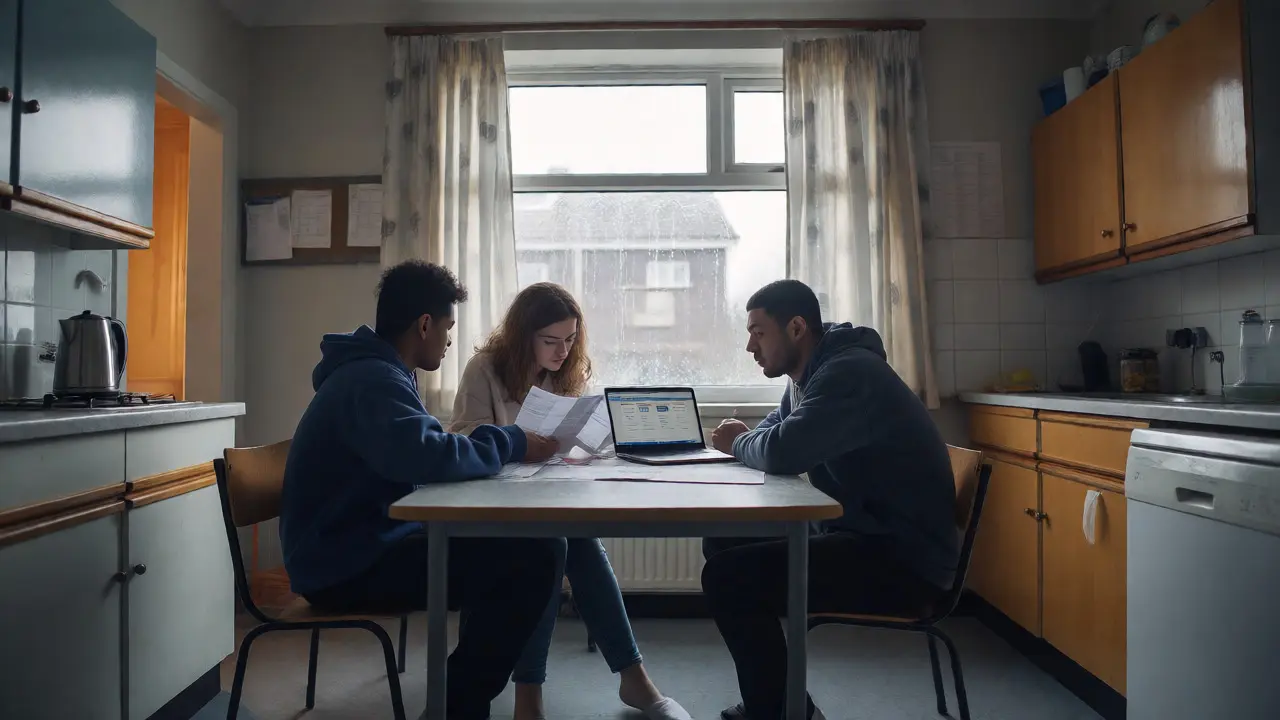
This is the part that confuses everyone, so let’s clear it up once and for all. In the UK, Council Tax is a local taxation system charged on domestic properties. Usually, households pay this. But students get a massive break.
If every adult living in your house is a full-time student, you do not pay any council tax. You are fully exempt. This saves you anywhere from £1,000 to £2,500 a year depending on the area. To claim this, you need a Council Tax Exemption Certificate from your university. You must apply for it, usually via your student portal, and send it to your local council within a few weeks of moving in.
What happens if you live with non-students? Say you share a house with two friends who are working full-time. The property loses its full exemption. However, because some residents are students, you qualify for a discount. Typically, this reduces the bill by 25%. So instead of paying 100% of the tax, you pay 75%. If you live alone and are a student, you still pay nothing, provided you are enrolled full-time.
One major pitfall: part-time students do not count for exemption. If you switch to a part-time course, your council tax liability kicks back in immediately. Keep your enrollment status clear.
Utilities: Gas, Electricity, and Water
If you choose a "bills-inclusive" option, skip this section unless you want to know how much you’re actually subsidizing others. For those in private rentals, setting up utilities is your responsibility.
Energy Prices refer to the cost of gas and electricity supplied to your home. As of 2026, the energy price cap has stabilized somewhat compared to the crisis years, but costs remain high. A typical student sharing a house might spend £40-£60 per person per month on electricity and gas combined. This depends heavily on insulation and habits. Leaving lights on in empty rooms adds up fast.
Water is usually billed separately. In many regions, you pay a standing charge plus usage. Expect £20-£30 per person per month. Some landlords include water in the rent, but it’s less common than including internet.
Internet is almost always excluded from rent in private houses. Broadband packages start around £25-£35 per month for standard speeds. If you game or stream 4K video, you’ll need fiber optic, pushing costs closer to £45. Split this among housemates. Four people splitting a £40 bill pays £10 each-a negligible amount compared to rent.
Don’t forget the TV License. If you watch or record live TV, or use BBC iPlayer, you legally need a license. It costs £169.50 per year (approx. £14/month). Many students forget this until they get fined £1,000. If you only watch Netflix or YouTube, you don’t need it.
Hidden Costs and Deposits
Beyond the monthly bills, there are upfront costs that hit hard. The most significant is the security deposit. By law, landlords cannot demand more than five weeks’ rent for deposits on properties under £50,000 annual rent. So if your rent is £800/month, your max deposit is roughly £920. You must protect this money in a government-approved scheme (like TDS or DPS). Ask for proof of protection.
Agency fees used to be a nightmare, but the Tenant Fees Act 2019 banned most of them in England. You shouldn’t pay for referencing checks, inventory, or admin fees. If an agent asks for a "holding deposit" to take the property off the market, that’s legal, but it should be deducted from your first month’s rent. Never pay cash without a receipt.
Then there’s furniture replacement. If you break a chair or stain a carpet, you pay for repairs. Document the condition of the property with photos on move-in day. Send them to the landlord via email with a timestamp. This protects you from being charged for pre-existing damage when you move out.

Regional Variations: Where Your Money Goes Further
Your purchasing power changes drastically depending on where you study. Here is a quick comparison of key student hubs based on average monthly housing-related costs (rent + estimated utilities) for a shared house:
- London: £1,200 - £1,600. High rent, efficient public transport saves car costs, but food and socializing are pricier.
- Edinburgh: £800 - £1,100. Beautiful city, tight rental market. Competition for good spots is fierce in August.
- Manchester: £700 - £950. Great value for money. Vibrant social scene, lower utility costs due to milder winters compared to the North East.
- Newcastle: £550 - £750. One of the cheapest major cities. Cold winters mean higher heating bills, but rent is significantly lower.
- Cardiff: £600 - £800. Moderate costs, friendly community, and generally shorter commutes.
Notice a pattern? The further north and west you go, the cheaper the rent tends to be, though weather-related utility spikes can offset some savings. Always factor in commute costs. Saving £100 on rent but spending £80 on trains to campus is a bad trade-off.
How to Cut Costs Without Living Miserably
You don’t have to sacrifice comfort to save money. Start by negotiating. If you’re signing a long lease (12 months), ask the landlord for a small reduction or free broadband installation. Landlords prefer stable tenants over chasing new renters every summer.
Consider flat-sharing with fewer people. Two-person flats are rare and expensive. Three or four-person houses split costs efficiently. More housemates mean lower individual shares of internet, water, and cleaning supplies. Just make sure you get along-you’ll see these people daily.
Use student discounts relentlessly. Companies like Unidays and Student Beans offer deals on everything from Amazon Prime to gym memberships. While not strictly housing, these savings free up cash flow for rent.
Finally, monitor your energy usage. Install smart meters if available. They show real-time consumption. Turning down the thermostat by one degree can cut your heating bill by 10%. Use LED bulbs-they last longer and use less power. Small habits compound over nine months.
Frequently Asked Questions
Do I have to pay Council Tax if I live with non-students?
Yes, but likely at a discounted rate. If you live with at least one non-student (someone working full-time), the property is no longer fully exempt. You typically receive a 25% discount on the council tax bill. All residents are jointly liable for the payment, so agree beforehand how you will split it.
Are utility bills included in student accommodation?
It depends on the type of housing. University halls and most Purpose-Built Student Accommodations (PBSA) include utilities in the rent. Private rentals usually require you to set up and pay for gas, electricity, water, and internet separately. Always check the tenancy agreement specifically for the phrase "bills inclusive" or "utilities excluded."
How much deposit can a landlord ask for?
In England, the maximum security deposit is capped at five weeks' rent if the annual rent is less than £50,000. For example, if your monthly rent is £800, your annual rent is £9,600, so the max deposit is roughly £923. This money must be held in a government-approved Tenancy Deposit Scheme.
Do I need a TV License if I only watch Netflix?
No. You only need a TV License if you watch or record live television broadcasts or use BBC iPlayer. Streaming services like Netflix, Disney+, or Amazon Prime Video do not require a license unless you are watching a live broadcast through their app (e.g., live sports on BT Sport via Sky).
What happens if I leave my student accommodation early?
Check your contract for a "break clause." Most student tenancies are fixed-term (e.g., 44 weeks) with no early exit allowed. If you leave early, you are responsible for paying rent until a replacement tenant moves in. Communicate with your landlord immediately; they may allow you to sublet or re-advertise the room quickly to minimize losses.