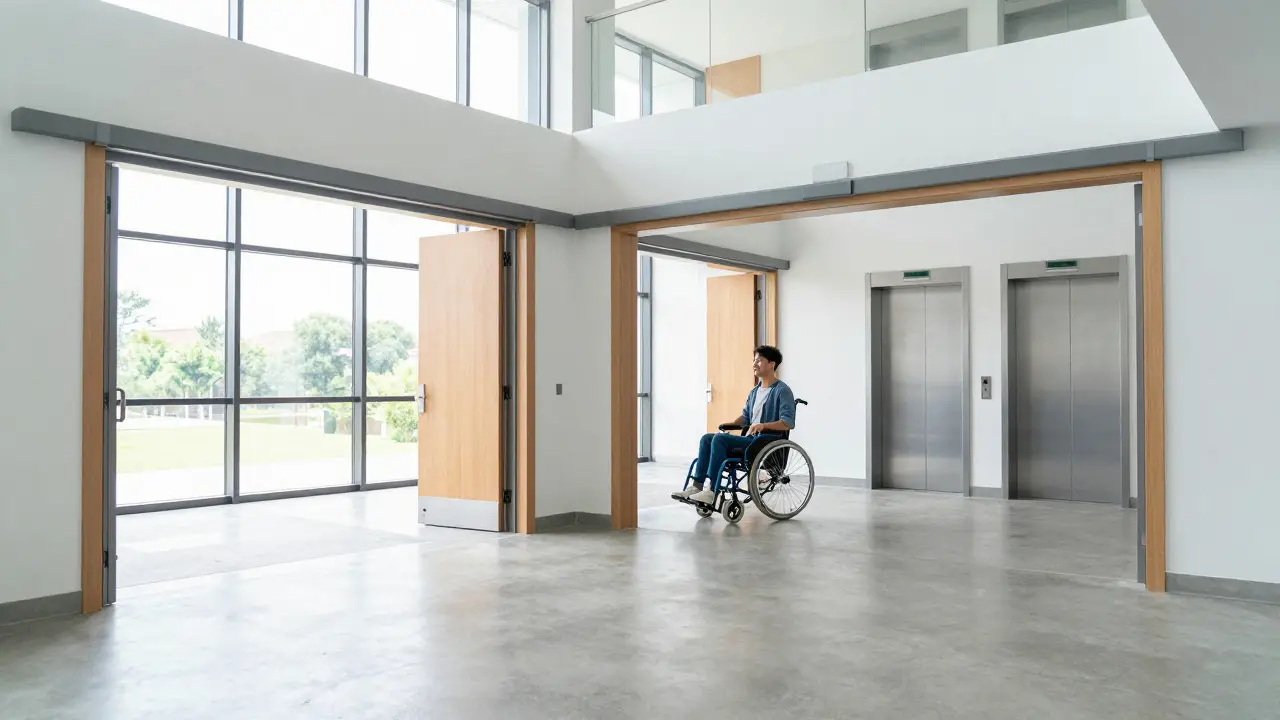
Imagine moving to a new city for university, only to realize your flat has no step-free access or the bathroom is too small for your wheelchair. It’s a nightmare scenario that thousands of students with disabilities face every year in the UK. But it doesn’t have to be that way. Knowing exactly where to look and what rights you have can turn a stressful search into a manageable process. This guide cuts through the noise to show you how to find adapted housing that actually works for your daily life.
Understanding Your Rights Under the Equality Act
Before you start scrolling through listings, you need to know the law on your side. The Equality Act 2010 is the primary legislation in the UK that protects people from discrimination based on disability, age, gender, and other characteristics. For students, this means landlords and universities cannot refuse to rent to you just because you have a disability. More importantly, they are often required to make "reasonable adjustments" to their properties if requested.
What counts as a "reasonable adjustment"? It varies. For some, it might mean installing a grab rail in the shower. For others, it could involve lowering a kitchen counter or widening a doorway. The key word here is "reasonable." If the change is expensive or causes major disruption to the landlord, they might argue it’s not reasonable. However, for university-managed halls, the threshold is often lower because they have a direct duty of care to their students. Always put your requests in writing and keep copies of all emails. Paper trails protect you when disputes arise.
The Difference Between Halls of Residence and Private Rentals
Your first decision point is whether to live in university-provided accommodation or privately rented flats. Each option has distinct pros and cons regarding accessibility.
- University Halls: These are typically newer buildings designed with modern accessibility standards in mind. They often have lifts, wide corridors, and en-suite bathrooms that meet specific dimensions. The biggest advantage is that the university manages the maintenance. If something breaks, you don’t chase a private landlord; you contact the housing office. However, spots in accessible rooms are limited and fill up fast.
- Private Rentals: You get more space and often lower costs per person. But you bear the risk. Many older Victorian or Edwardian houses in cities like London, Manchester, or Edinburgh have steep stairs, narrow doorways, and small bathrooms. Finding a truly accessible private flat requires intense negotiation and sometimes significant upfront investment in modifications.
If you rely on a power chair or have severe mobility issues, university halls are usually the safer bet for your first year. They provide a safety net. As you gain confidence and budget, you might transition to private rentals later.
How to Search for Accessible Properties Effectively
Most standard property portals like Rightmove or Zoopla have poor filters for accessibility. Don’t waste hours filtering by "ground floor" and hoping for the best. Instead, use targeted strategies.
- Contact the University Disability Service Early: Do this before enrollment day. Ask for a list of accessible rooms available in upcoming terms. They often have a waitlist system that prioritizes students with documented needs.
- Use Specialist Agencies: Look for letting agents who specialize in accessible housing. In many UK cities, there are agencies dedicated to matching disabled tenants with suitable homes. They understand the technical requirements (e.g., ramp gradients, turning circles) better than generalist agents.
- Check Local Council Housing Registers: While primarily for permanent residents, some council housing associations offer short-term lets or partner with universities for student schemes. These properties often have higher accessibility standards than the private market.
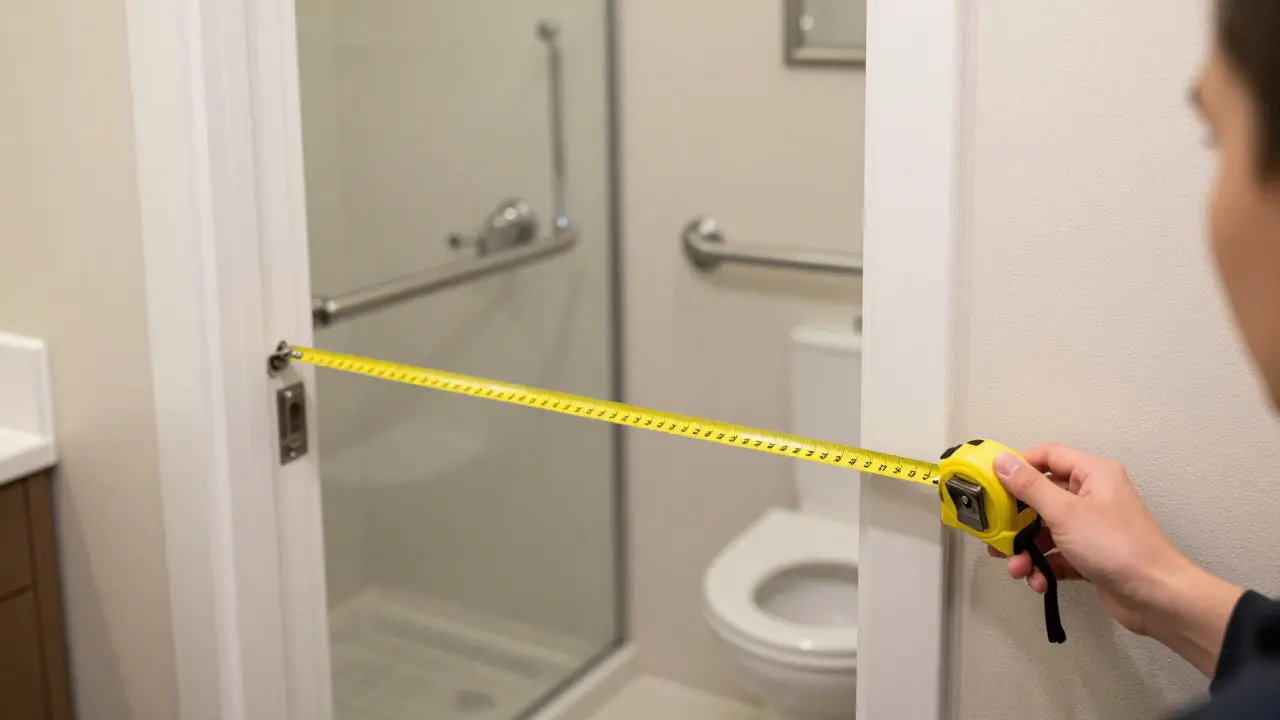
When viewing a property, bring a tape measure. Check the width of door frames (minimum 800mm is generally recommended for wheelchairs), the depth of bathrooms, and the gradient of any ramps. Photos online can be misleading; a room that looks spacious in a photo might have hidden obstacles.
Negotiating Reasonable Adjustments with Landlords
Finding a property is only half the battle. Often, you’ll need to negotiate changes. Here is how to approach it without burning bridges.
Start with a formal letter or email outlining your needs. Reference the Equality Act 2010. Be specific about what you need and why. For example: "I require a lowered sink in the kitchen to prepare meals independently. I am willing to contribute £500 toward the cost, provided the work is completed within two weeks of move-in." Offering to pay part of the cost shows good faith and makes the landlord more likely to agree.
If the landlord resists, ask if the university’s Disabled Students’ Allowance (DSA) can cover the cost. DSA funds can sometimes be used for home adaptations if they are essential for studying. Keep a record of all interactions. If a landlord refuses a clearly reasonable request, you may have grounds for a complaint with the local council or even a tribunal, though this should be a last resort.
| Feature | University Halls | Private Rentals |
|---|---|---|
| Accessibility Standards | High (Modern builds) | Variable (Often outdated) |
| Maintenance Responsibility | University | Tenant/Landlord split |
| Cost | Higher fixed fee | Flexible, potentially cheaper |
| Availability | Limited, high demand | Wider pool, harder to filter |
| Support Network | On-site staff, peers | Independent, self-managed |
Budgeting for Adaptations and Hidden Costs
Adapted housing isn’t just about rent. You need to budget for potential modifications and ongoing maintenance. A simple grab rail installation might cost £100-£200, but a full bathroom refit for wheelchair access can exceed £3,000. Who pays? Usually, it’s a negotiation. Some universities have a fund for one-off adaptations. Others expect you to use DSA funds.
Don’t forget energy bills. Accessible homes might have larger heating systems or specialized equipment that consumes more electricity. Factor this into your monthly budget. Also, consider transport costs. If your accessible flat is slightly further from campus, calculate the extra travel expenses. Use a simple spreadsheet to track these variable costs against your fixed rent to avoid cash flow surprises during exam periods.
Common Pitfalls to Avoid
Many students make mistakes that lead to uncomfortable living situations. Here are the top traps to watch out for.
- Assuming "Step-Free" Means "Wheelchair Accessible": A step-free entrance is great, but if the hallway is only 60cm wide, a wheelchair won’t fit. Always check internal dimensions, not just external access.
- Ignoring Bathroom Layouts: A large bathroom is useless if the toilet is positioned awkwardly or the shower lacks a seat. Visualize your movement path inside the room before signing the contract.
- Not Reading the Tenancy Agreement: Some contracts prohibit alterations without written consent. Get permission for any changes in writing before hiring a contractor. Otherwise, you might have to pay to reverse the work when you move out.
- Waiting Until the Last Minute: Accessible rooms are scarce. Apply for accommodation at least six months before your course starts. Waiting until August for a September start leaves you with few options.
Building a Support Network
Living alone with a disability can feel isolating, especially in a new city. Proactively build a support network. Join university disability societies. Connect with local community groups for disabled young people. These networks provide practical advice (like trusted handymen) and emotional support. They also serve as a backup if your landlord becomes unresponsive. Knowing that other students have navigated similar challenges can be incredibly reassuring.
Next Steps for Your Search
Start by documenting your specific accessibility needs. Create a checklist of non-negotiable features (e.g., lift access, en-suite bathroom, ground floor). Then, contact your university’s disability service to register your interest in accessible halls. Simultaneously, reach out to two or three specialist letting agents in your destination city. Compare their offerings. Once you have a shortlist, schedule viewings with your tape measure ready. Negotiate adjustments early. And always, always get everything in writing. With preparation and knowledge of your rights, finding the right home is absolutely possible.
Can I claim Disabled Students' Allowance for home adaptations?
Yes, DSA can cover certain home adaptations if they are deemed essential for your studies. This includes things like a computer setup, specialized software, or sometimes physical modifications to your living space. You must apply through your university’s DSA team, and approval takes time, so start early.
What is the minimum width for a wheelchair-accessible door?
The recommended minimum clear opening width for a wheelchair-accessible door is 800mm (approximately 31.5 inches). This allows enough space for a standard manual or power wheelchair to pass through comfortably. Narrower doors can make entry difficult and risky.
Do landlords have to pay for reasonable adjustments?
Under the Equality Act 2010, landlords are legally required to make reasonable adjustments. However, the cost is often negotiated. In practice, tenants frequently contribute to the cost, especially for cosmetic or non-standard changes. For university halls, the university usually covers the cost if the adjustment is necessary for the student to use the facility.
How far in advance should I book accessible student housing?
Ideally, six to twelve months in advance. Accessible rooms are in high demand and often allocated on a first-come, first-served basis or via a priority waitlist. Applying early ensures you have a wider choice of locations and room types.
What should I do if my landlord refuses to make adjustments?
First, send a formal letter citing the Equality Act 2010 and specifying the adjustment needed. If they still refuse, contact your university’s disability service for mediation. If that fails, you can complain to the local council’s housing department or seek legal advice from a charity like Shelter or Citizens Advice.