
You check your email. It’s the one you’ve been dreading. "Thank you for your interest... unfortunately, we have decided to proceed with other candidates." The sting is real, especially in the competitive UK job market, where roles often attract hundreds of applicants. But here’s the truth: a rejection isn’t a verdict on your worth. It’s data. And if you play it right, that data can land you the next offer faster than you think.
Most people ghost their own progress after a "no." They close the laptop, scroll through LinkedIn doom-and-gloom posts, and wait for the next application. Big mistake. The gap between rejection and your next role is bridged by three specific actions: securing actionable feedback, conducting honest self-reflection, and executing a refined next-step strategy. Let’s break down exactly how to do this without losing your mind or your momentum.
The Art of Asking for Feedback (Without Being Annoying)
In the UK, recruiters are often swamped. They might send a generic template email because they feel guilty about not giving more detail. Your job is to gently pry that information loose. Don’t just reply "Thanks." Ask specifically what you can improve. Recruiters are human; they appreciate professionalism, even in rejection.
Here is the rule of thumb: Keep it short, polite, and low-pressure. If you had an interview, ask for feedback on your performance. If you were screened out early, ask if there were specific skills or experiences missing from your profile.
| Approach | Example Phrasing | Likely Outcome |
|---|---|---|
| Vague & Desperate | "Why didn't I get the job? Please tell me everything wrong with me." | Ignored or generic reply. |
| Specific & Professional | "I enjoyed our conversation. Could you share one area where my experience fell short compared to the successful candidate?" | High chance of a helpful, concise answer. |
| Skill-Focused | "Was there a particular technical skill or certification that was a deciding factor?" | Clear direction for upskilling. |
Timing matters. Send your request within 48 hours while you’re still top-of-mind. If they don’t reply, let it go. Chasing them makes you look difficult, which is the last thing you want when trying to stay on their radar for future roles.
Decoding Generic Rejections
Let’s be real: most UK companies use automated Applicant Tracking Systems (ATS). Sometimes, the rejection email is literally sent by a bot before a human even looked at your CV. So, why bother asking for feedback? Because sometimes, a recruiter will manually intervene if they liked you but needed someone with a niche qualification. Other times, they won’t reply at all.
If you get silence, don’t take it personally. Assume the issue was either a lack of fit for that specific moment (budget changes, internal hire) or a subtle mismatch in your CV keywords. This leads us to the second pillar: reflection.
Honest Self-Reflection: The Mirror Test
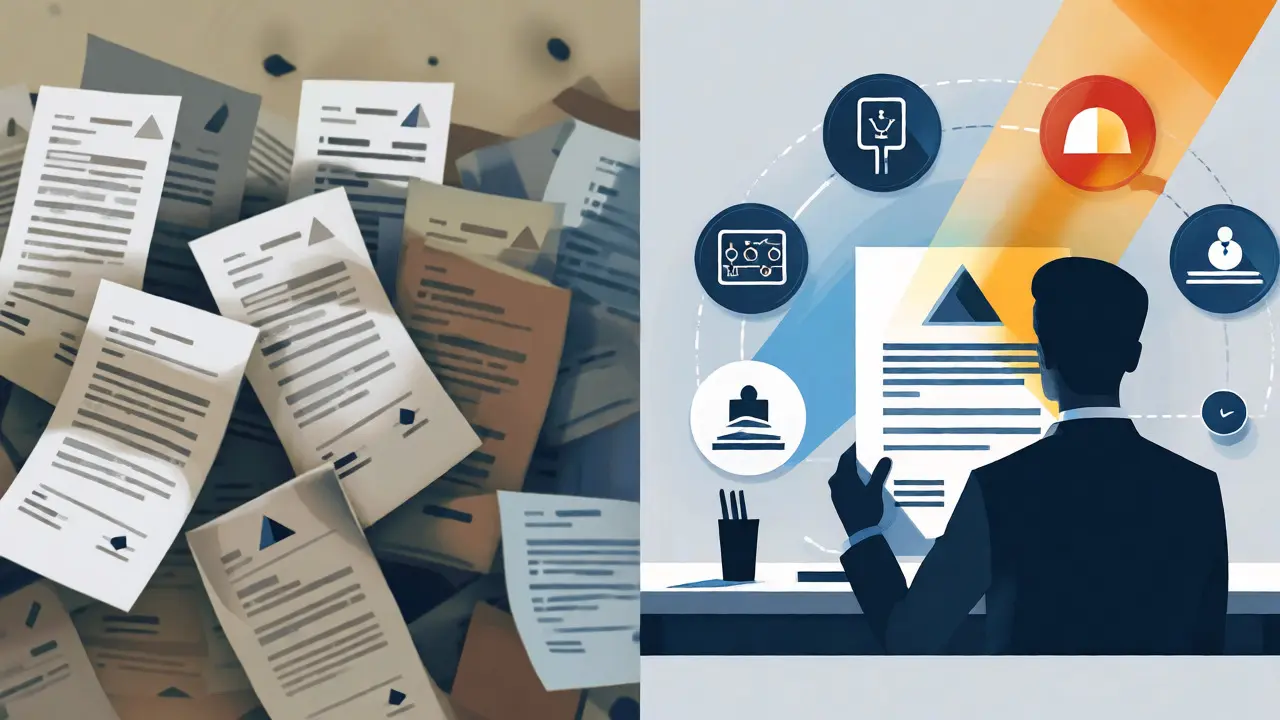
You need to audit your process. Did you tailor your CV for every single application? Or did you blast the same document to 50 jobs? In the UK, employers value specificity. A generic CV screams "I’m desperate," while a tailored one says "I understand your business."
Ask yourself these hard questions:
- Did I research the company? If you couldn’t name their recent projects or competitors during the interview, that’s a red flag for them.
- Did I quantify my achievements? Saying "I managed sales" is weak. Saying "I increased regional sales by 15% in Q3" is strong. Numbers prove competence.
- Was my online presence aligned? Recruiters in the UK often check LinkedIn profiles. Does your headline match the job title you applied for? Is your photo professional? Is your activity feed relevant?
Write down your answers. Be brutal. If you fumbled a question about teamwork, note it. If your cover letter was a copy-paste disaster, admit it. This isn’t about beating yourself up; it’s about spotting patterns. If you keep getting rejected after the first interview, the problem is likely your interview technique. If you’re rejected before the phone screen, it’s your CV or cover letter.
Revising Your Strategy Based on Data
Once you’ve reflected, act. If feedback indicated a skills gap, address it immediately. You don’t need a new degree. Look for short, recognized courses on platforms like Coursera or local UK providers. Add them to your CV under "Professional Development." This shows initiative and adaptability-traits hiring managers love.
If the issue was cultural fit, review your interview stories. Are you talking too much about tasks and not enough about impact? Use the STAR method (Situation, Task, Action, Result) to structure your answers. Practice saying them out loud until they sound natural, not rehearsed.
Consider expanding your network. Many UK jobs are filled through referrals before they’re advertised. Reach out to former colleagues or connections in your industry. Don’t ask for a job. Ask for advice. "Hey [Name], I’m looking for roles similar to yours. Do you know any teams hiring right now?" People help those who make it easy for them.

Maintaining Momentum During the Drought
Job hunting is emotionally draining. One day you’re confident; the next, you’re questioning your entire career choice. To survive the drought, you need a routine. Treat job hunting like a part-time job. Set specific hours for applications, networking, and skill-building. When those hours are done, step away. Burnout kills creativity and confidence, both of which are essential for interviewing well.
Celebrate small wins. Got a callback? Celebrate. Had a good networking chat? Celebrate. Don’t wait for the offer letter to feel good about your progress. Progress is incremental. Every "no" gets you closer to the right "yes" because it clarifies what you *don’t* want and sharpens your pitch for what you *do* want.
When to Pivot or Persist
How long should you keep applying to the same type of role? There’s no magic number, but watch for signals. If you’re getting interviews but no offers, refine your interview skills. If you’re not getting interviews, overhaul your CV and targeting strategy. If you’ve sent 100+ tailored applications over two months with zero traction, consider broadening your scope. Maybe you’re aiming too high, or perhaps your target industries are shrinking.
Look at adjacent roles. Your skills might transfer better than you think. A marketing manager might fit well into a product operations role. An admin assistant might thrive in customer success. Talk to a mentor or a career coach if you’re stuck. Sometimes, an outside perspective reveals opportunities you’ve overlooked because you’re too close to the situation.
Is it rude to ask for feedback after a UK job rejection?
No, it is not rude if done politely and professionally. Most recruiters appreciate the opportunity to provide constructive criticism, as it helps them maintain positive relationships with candidates. Just ensure your request is concise and respectful of their time.
How soon should I apply again to the same company?
There is no strict rule, but waiting at least 6 to 12 months is generally advisable unless the previous role was very different. Applying too soon can signal desperation or a lack of understanding of the role requirements. However, if you gained significant new skills or experience in that time, you can mention it in your new application.
What if the recruiter doesn't reply to my feedback request?
Don't take it personally. Recruiters are often overloaded, and providing detailed feedback for every applicant is time-consuming. Silence usually means they don't have the bandwidth, not that you did something wrong. Move on and focus on your next application.
Should I include a cover letter for every UK application?
While some modern tech startups may not require one, traditional UK employers and larger corporations often expect a tailored cover letter. It demonstrates genuine interest and allows you to highlight specific motivations. If the job description doesn't explicitly forbid it, including a concise, customized cover letter is usually safer.
How do I handle rejection from multiple jobs in a row?
Take a short break to reset. Analyze whether the rejections are happening at the screening stage or the interview stage. Adjust your strategy accordingly-tweak your CV for screenings or practice interview techniques for later stages. Remember, rejection is a numbers game; persistence combined with adaptation yields results.