
You have spent years studying. You have passed your exams. You are ready to start your placement as a nursing student, paramedic trainee, or medical student. Then comes the paperwork. Specifically, the immunisation records. If you do not have them in order, you cannot step foot on a hospital ward. It is that simple.
Healthcare courses in the UK are strict about this for one reason: patient safety. You will be exposed to blood, bodily fluids, and infectious diseases. The system requires proof that you are protected against specific pathogens before you begin clinical practice. This is not just bureaucratic red tape; it is a legal and ethical requirement enforced by the Nursing and Midwifery Council (NMC) and other regulatory bodies.
Missing a single vaccine can delay your placement by months. Let’s look at exactly what you need, why you need it, and how to get it sorted without losing your mind.
The Non-Negotiables: Hepatitis B
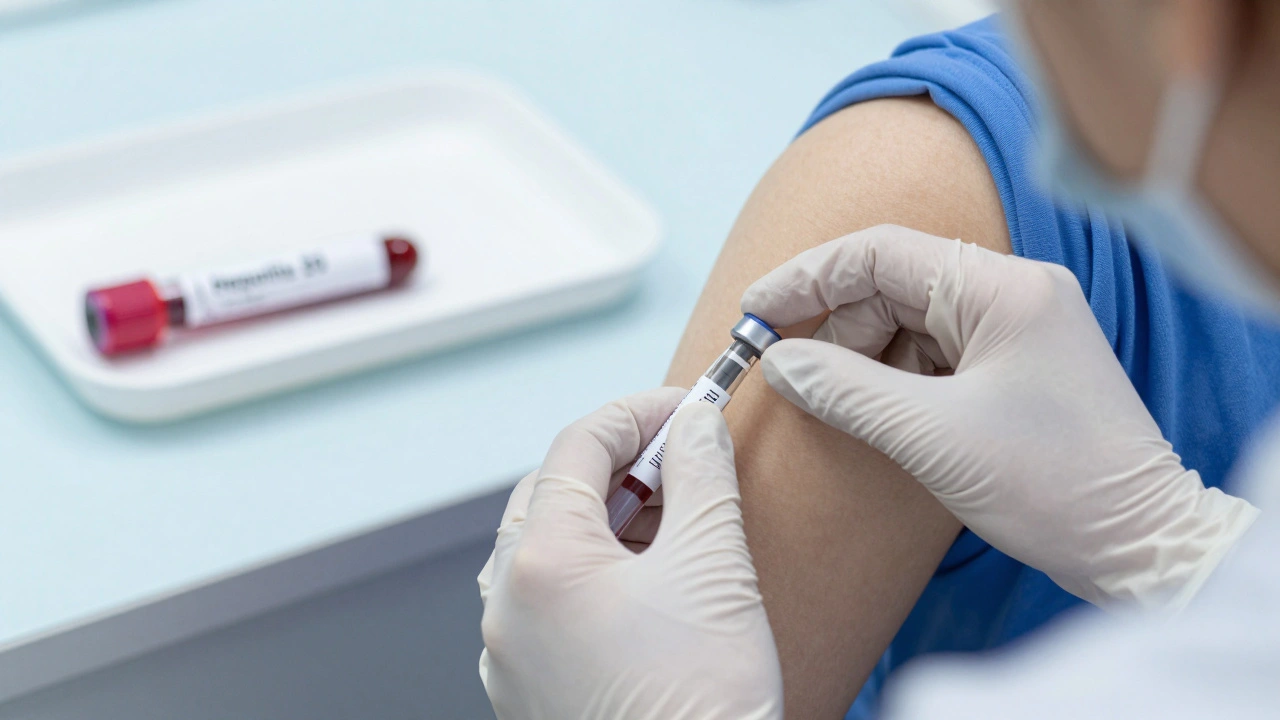
If there is one vaccine that defines healthcare entry, it is Hepatitis B. This virus attacks the liver and can cause chronic disease or death. In a clinical setting, needlestick injuries happen. They are rare, but they occur. If you are not immune to Hepatitis B and you get stuck with a contaminated needle, the consequences are severe.
The standard protocol involves a three-dose series of the vaccine. You receive the first dose, then the second one month later, and the third six months after the first. Some universities use an accelerated schedule if you are starting placements soon, but the standard timeline is best for long-term immunity.
Here is the catch: getting the shots is only half the battle. You must prove you developed antibodies. About four to eight weeks after your final dose, you need a blood test called a post-vaccination serology. This test checks for anti-HBs levels. If your level is above 10 IU/L, you are considered immune. If it is lower, you may need booster doses. Keep this result safe. You will need to show it to every hospital trust you work with for the rest of your career.
| Vaccine | Purpose | Schedule | Proof Required |
|---|---|---|---|
| Hepatitis B | Prevents liver infection from blood exposure | 3 doses over 6 months | Blood test showing antibody levels >10 IU/L |
| MMR (Measles, Mumps, Rubella) | Prevents viral outbreaks in wards | 2 doses (if no natural immunity) | Blood test for IgG antibodies or vaccination record |
| Tetanus/Diphtheria/Pertussis (TdP) | Prevents wound infections | Booster if last dose was >10 years ago | Vaccination card record |
| Varicella (Chickenpox) | Protects immunocompromised patients | 2 doses (if no history of chickenpox) | Blood test for VZV IgG antibodies |
Checking Your Immunity: MMR and Varicella
Many students assume they had these childhood illnesses or vaccines. Assumptions get you rejected from placements. Hospitals require documented evidence.
MMR (Measles, Mumps, and Rubella) is critical because measles is highly contagious. If you are not immune, you could bring it into a ward and infect vulnerable patients, such as those undergoing chemotherapy. You need two recorded doses of the MMR vaccine. If you cannot find your old records, you will likely need a blood test to check for immunity. If the test shows you are not immune, you must get vaccinated immediately.
Similarly, Varicella (Chickenpox) poses a risk to pregnant women and immunosuppressed patients. If you never had chickenpox as a child, you are susceptible. Most universities will ask for a blood test to confirm varicella zoster IgG antibodies. If you are negative, you will need two doses of the varicella vaccine, spaced at least four weeks apart.
The Tuberculosis (TB) Screening Process
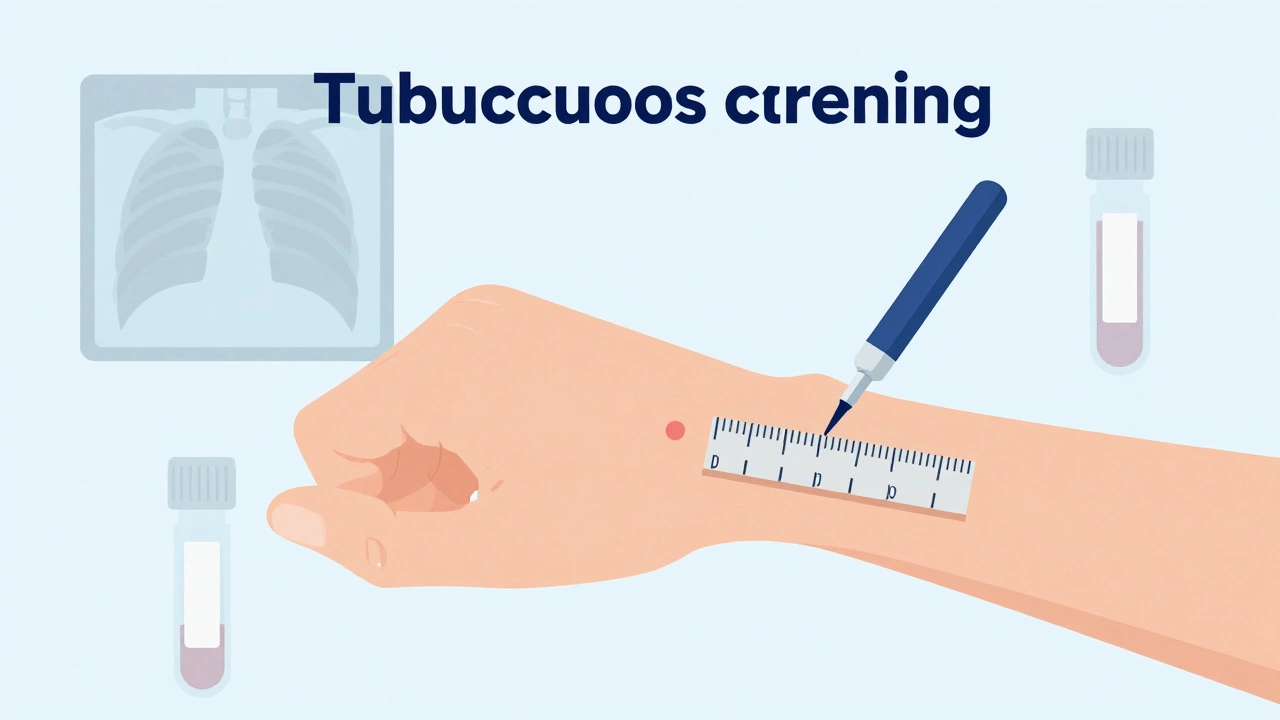
Tuberculosis is handled differently than viral vaccines. There is no routine vaccine for adults in the UK anymore (the BCG vaccine is mostly for children). Instead, you undergo screening.
The process usually starts with a Tuberculin Skin Test (Mantoux Test). A small amount of fluid is injected under the skin of your forearm. You must return 48 to 72 hours later to have a nurse measure the induration (hardness) at the injection site. If the area is swollen beyond a certain millimeter threshold, it indicates latent TB infection.
If the skin test is positive, you will need a chest X-ray to rule out active TB. If the X-ray is clear, you have latent TB. You may be offered preventive treatment, which is crucial before you start working in high-risk areas like respiratory wards or HIV clinics. If the skin test is negative, you are cleared. However, some high-risk trusts may request an Interferon-Gamma Release Assay (IGRA) blood test instead, as it is more specific and not affected by prior BCG vaccination.
Occupational Health: Who Does This?
You might think you can just go to your GP. While GPs can administer vaccines, the coordination for healthcare students is usually managed through Occupational Health Services. These services are often provided by private contractors hired by the university or the NHS Trust.
Your university will provide you with a health declaration form. You fill this out online or on paper. Based on your answers, the occupational health team generates a care plan. This plan tells you exactly which tests and vaccines you need. Do not skip steps. Do not assume your GP knows the specific requirements for a nursing student versus a dental hygienist. Follow the care plan precisely.
In many cases, these services are free for students enrolled in approved healthcare courses. If you are paying for private assessments, keep all receipts. Some universities offer reimbursement, but policies vary.
Common Pitfalls and How to Avoid Them
I have seen too many students fail their first week of induction because of paperwork errors. Here is how to stay ahead:
- Start Early: Do not wait until August to start your blood tests in September. Blood samples take time to process. Results can take weeks. Start your occupational health assessment as soon as you receive your offer letter.
- Digital Records: Scan everything. Your yellow vaccination book, blood test results, and Mantoux test forms. Store them in a cloud folder. If you lose the physical copies, you still have the digital backups to show your placement coordinator.
- Understand "Immune": Having the vaccine does not always mean you are immune. For Hepatitis B and Varicella, the blood test result is the gold standard. A vaccination card alone is often insufficient for hospital entry.
- Travel History: If you have lived in countries with high rates of Hepatitis B, C, or TB, declare it. You may need additional screening for Hepatitis C and HIV, which is standard baseline testing for all new healthcare workers in the UK.
What Happens If You Are Not Immune?
If your blood tests show you are not immune to Hepatitis B or Varicella, you are not banned from the course. You are placed on a management plan. You will receive the necessary vaccines. Until you achieve immunity, you may be restricted from certain high-risk placements. For example, you might not be allowed in oncology wards or transplant units where patients have weakened immune systems.
This restriction is temporary. Once your post-vaccination serology confirms immunity, your restrictions are lifted. Communication is key here. Tell your university tutor if you have restrictions so they can place you in appropriate settings while you complete your vaccination course.
Keeping Up With Boosters
Immunisation is not a one-time event. Tetanus boosters are needed every ten years. Influenza vaccines are required annually for most healthcare workers during winter seasons. Measles immunity is lifelong if you have had two doses or confirmed natural immunity, but you must carry proof.
Create a personal health file. Update it every year. When you move from university to your first job as a registered nurse, doctor, or allied health professional, your employer’s occupational health team will ask for this exact same documentation. Starting good habits now saves you stress later.
Do I need a Hepatitis B vaccine if I already had the vaccine as a child?
Yes, you likely need a blood test. Childhood vaccination records are often incomplete or lost. Hospitals require proof of immunity via a post-vaccination antibody test (anti-HBs >10 IU/L). If you cannot produce this recent blood test result, you will need to repeat the vaccine series or at least get tested to confirm current immunity.
How long does the Mantoux test take to show results?
You must return to the clinic 48 to 72 hours after the injection to have the site measured. The result is immediate upon measurement. If the test is positive, further steps like a chest X-ray may take several days to arrange. Plan your appointment accordingly so you do not miss your deadline.
Can I do my own blood tests at a private lab?
It depends on your university’s policy. Many universities have contracts with specific occupational health providers who handle the entire process. Using an external provider might invalidate the results for their system. Always check with your course administrator before booking private appointments to ensure the reports meet their format requirements.
What if I am allergic to vaccine components?
Declare any allergies immediately during your health screening. Occupational health nurses can manage mild allergies or refer you to an immunologist for desensitization protocols. Never hide an allergy, as this puts you at risk of severe reactions. Alternative monitoring strategies may be available if you truly cannot be vaccinated.
Is the occupational health screening free for students?
In most cases, yes. Universities and NHS trusts cover the cost of mandatory pre-placement screenings for enrolled healthcare students. However, if you fail to complete the screening within the given timeframe and need urgent private processing, or if you require extra tests due to delayed action, you might be charged. Always adhere to the deadlines set by your institution.