
You’re three weeks into term, your bank account is hovering near zero, and you’re staring at a takeaway menu wondering if that suspiciously cheap kebab shop will cost you more in stomach meds than it did in cash. It’s a classic student dilemma. But here’s the good news: you don’t have to gamble with your gut health every time you order dinner. The Food Hygiene Rating Scheme (FHRS) gives you a simple, transparent way to check how safe a place is before you even walk through the door.
This isn’t just about avoiding a bad night. For students living away from home for the first time, knowing how to navigate these ratings is a genuine survival skill. It saves money on unnecessary takeaways, protects your health during exam season, and helps you spot hidden gems that are actually worth the queue. Let’s break down exactly what those numbers mean, where to find them, and how to use them like a pro.
What Exactly Are Food Hygiene Ratings?
Think of the Food Hygiene Rating Scheme as a public scorecard for food businesses. Run by the Food Standards Agency (FSA) in England, Wales, and Northern Ireland, and by local authorities in Scotland, this system rates restaurants, cafes, supermarkets, and even street food vendors based on how well they follow food safety laws.
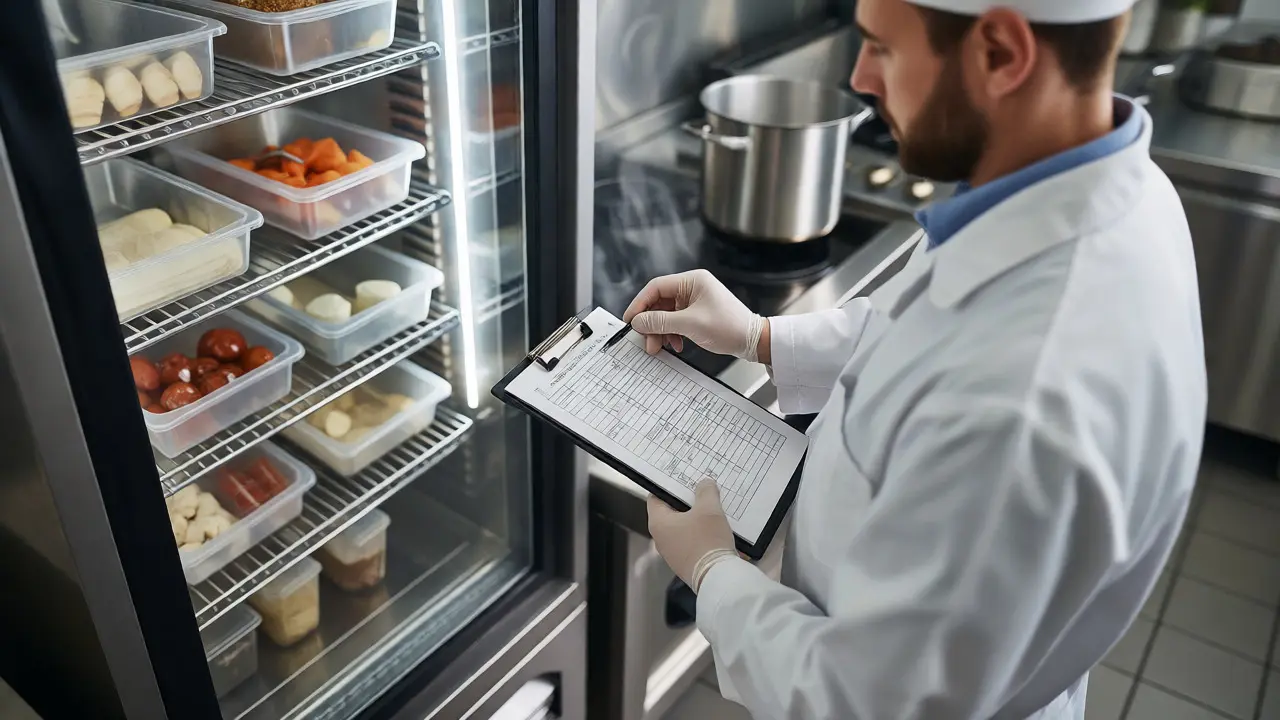
The ratings range from 0 to 5. A 5 means the business has very good hygiene standards. A 0 means urgent improvement is needed. It’s not a taste test-it’s a cleanliness and compliance audit. Inspectors look at three main things:
- Hygienic food handling: How ingredients are stored, cooked, cooled, and reheated.
- Physical condition of premises: Is the kitchen clean? Is there pest control? Do surfaces get wiped down properly?
- Management of food safety: Does the staff know what they’re doing? Is there a documented safety plan? Are temperatures logged correctly?
If a place scores low, it doesn’t always mean the food was rotten when you ate it. Sometimes it’s paperwork issues or minor maintenance slips. But consistently low scores? That’s a red flag you should probably heed.
Where to Find Ratings Before You Order
You might think you need to be an expert researcher to check these scores, but it’s surprisingly easy. Most places display their certificate in the window or near the entrance. If you’re ordering delivery via apps like Deliveroo, Just Eat, or Uber Eats, many now show the rating directly on the restaurant page. Look for a small badge next to the name.
For a deeper dive, the Food Hygiene Rating Search website is your best friend. You can search by postcode, business name, or location. It’s free, updated regularly, and works on mobile. Students often forget this step because they’re hungry and impulsive, but taking ten seconds to check the rating can save you hours of misery later.
Pro tip: If you’re moving to a new city for university, spend one evening checking the ratings of the top five takeaways in your neighborhood. Bookmark them. When Friday night hits and decision fatigue sets in, you’ll already know which spots are trustworthy.
Decoding the Scores: What Each Number Means
Not all ratings are created equal. Here’s a quick breakdown so you know what you’re signing up for.
| Rating | Meaning | Student Verdict |
|---|---|---|
| 5 | Very Good | Safe bet. High standards maintained. |
| 4 | Good | Generally safe. Minor improvements possible. |
| 3 | Adequate | Acceptable, but keep an eye on recent reviews. |
| 2 | Improvement Necessary | Risky. Check why they scored low. |
| 1 | Major Improvement Necessary | High risk. Avoid unless desperate. |
| 0 | Urgent Improvement Necessary | Avoid. Potential health hazards present. |
A rating of 3 is common for smaller independent cafes or older buildings undergoing renovations. It’s not necessarily bad, but it means the inspectors found some gaps. If you see a 3, check the date of the last inspection. If it was two years ago, the situation might have improved-or worsened.
Why Students Should Care More Than Anyone Else
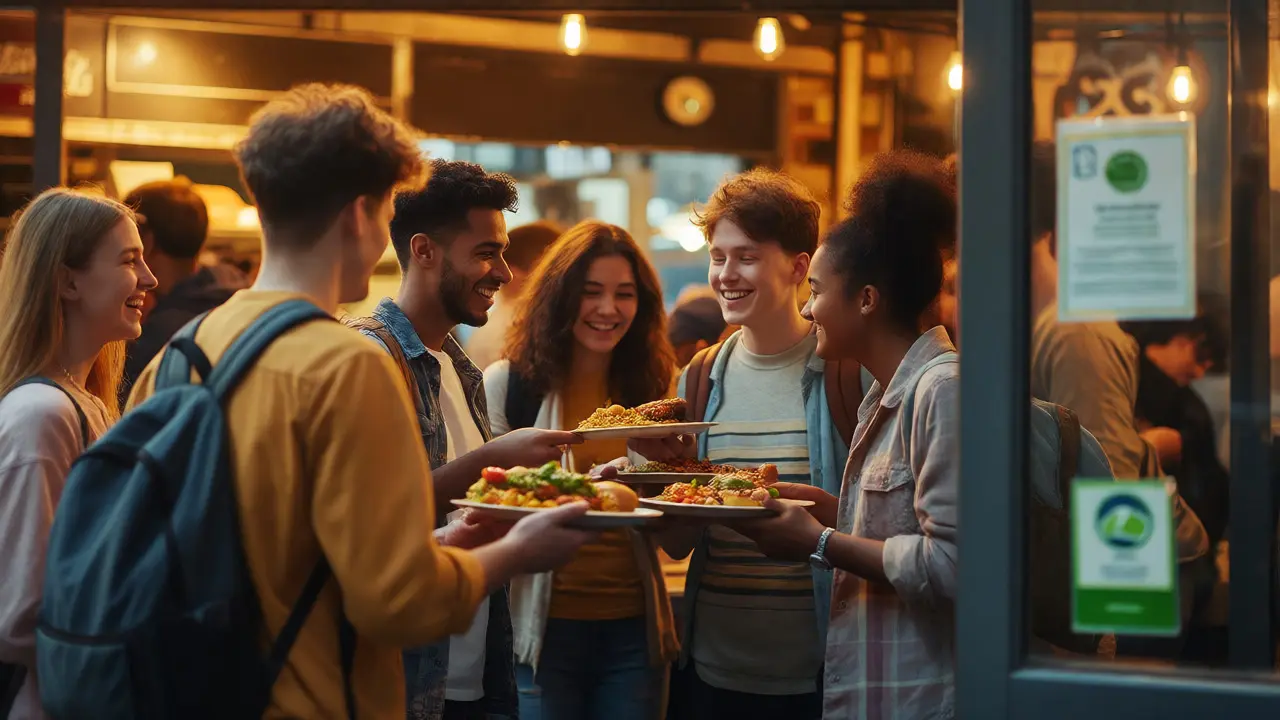
You might wonder, "I’ve eaten dodgy fish and chips my whole life and survived." True. But student life creates specific vulnerabilities. First, stress weakens your immune system. Exams, deadlines, and social pressures take a toll. Second, shared kitchens in halls or flats can harbor bacteria if cleaning routines slip. Third, budget constraints often push students toward cheaper options, which sometimes correlate with lower hygiene standards due to tighter margins.
Consider Sarah, a second-year history student in Manchester. She loved a late-night burger joint rated 2. One week after finals, she spent three days bedridden with food poisoning. The missed study time and medical costs outweighed the £8 saved on the meal. Her mistake wasn’t eating there once; it was making it her default option without checking the trend. If the rating had been 2 for three consecutive inspections, she’d have known it was a systemic issue, not a one-off.
Also, international students coming from countries with different food safety regulations might find the UK system confusing. In some places, hygiene isn’t publicly rated. Here, transparency is law. Use it. It’s a tool designed to protect you, especially when you’re navigating a new culture and unfamiliar local suppliers.
Common Pitfalls and Misconceptions
There’s a myth that a high rating equals great food. It doesn’t. A Michelin-starred restaurant could theoretically have hygiene issues, though unlikely. Conversely, a hole-in-the-wall curry house with a 5 rating might serve incredible food but have terrible service. The rating only tells you about safety, not flavor or ambiance.
Another trap is ignoring the date. Ratings expire. Businesses must renew them periodically. An old 5 from 2019 might reflect a kitchen that’s since changed owners or fallen into disrepair. Always check the "Last Inspection Date" on the online record. If it’s over two years old, treat the rating with caution.
Finally, don’t confuse hygiene with halal, vegan, or allergen certification. Those are separate labels. A place can be hygienically perfect (rating 5) but fail to clearly label allergens, which matters if you have severe sensitivities. Ask staff directly if you’re unsure, regardless of the star count.
How to Spot Red Flags Beyond the Rating
Sometimes, your eyes tell you more than the official score. Even if a place has a 4, trust your instincts if you see obvious warning signs. Walk into the kitchen area if visible. Are floors sticky? Is raw meat sitting above ready-to-eat foods? Are staff wearing gloves when handling cooked items?
Check the toilet situation. In many UK eateries, restrooms are accessible to customers. If the bathroom is filthy, it’s a poor indicator of overall management attention to detail. Cleanliness tends to flow through the entire operation. Also, observe the front-of-house staff. Do they wash hands after clearing tables? Do they handle money and then touch plates without sanitizing? These small behaviors often mirror kitchen practices.
Online reviews can supplement ratings, but filter them carefully. Ignore extreme outliers (one-star rants about rude waiters). Look for repeated mentions of "stomach upset," "cold food," or "dirty cutlery." Patterns matter more than individual complaints.
Taking Action: What to Do If You Get Sick
If you do end up ill after eating out, document everything. Keep receipts, note the time you ate, and describe symptoms. Report it to the establishment immediately-they may offer refunds or apologies. Then, contact your local council’s Environmental Health team. They investigate complaints and can trigger re-inspections.
For students, this process seems daunting, but it’s straightforward. Most councils have online forms. Your feedback helps improve standards for everyone who follows. Plus, if multiple people report similar issues, inspectors are more likely to revisit the venue sooner than scheduled.
Don’t let fear stop you from enjoying affordable meals. With a little knowledge, you can eat well, stay healthy, and keep your wallet intact. The system is there for you-use it wisely.
Is a Food Hygiene Rating mandatory for all UK businesses?
In England, displaying the rating sticker is voluntary, but the rating itself is public information. In Wales and Northern Ireland, displaying the rating is legally required. Scotland uses a different system called the Food Hygiene Information Scheme, which uses "Pass/Fail" and "Exempt" categories instead of numerical ratings.
Can I request a re-rating if I think a score is unfair?
Yes. Businesses can request a re-rating after making improvements. As a customer, you can’t directly request a re-rating, but you can complain to the local authority. If enough complaints arise, inspectors may return earlier than planned.
Do online delivery platforms update ratings automatically?
Most major platforms sync with the FSA database, but updates can lag by a few weeks. Always cross-check with the official Food Hygiene Rating Search site if the app shows no rating or an outdated one.
What does "Exempt" mean in Scottish ratings?
In Scotland, "Exempt" applies to low-risk businesses like sandwich shops or coffee houses that only sell pre-packaged or ready-to-eat foods. They aren’t inspected under the same rigorous criteria as full-service restaurants.
Does a low rating mean the food tastes bad?
No. The rating measures hygiene and safety compliance, not culinary quality. A highly-rated place might serve mediocre food, while a lower-rated one might offer delicious dishes with slightly less stringent administrative controls.