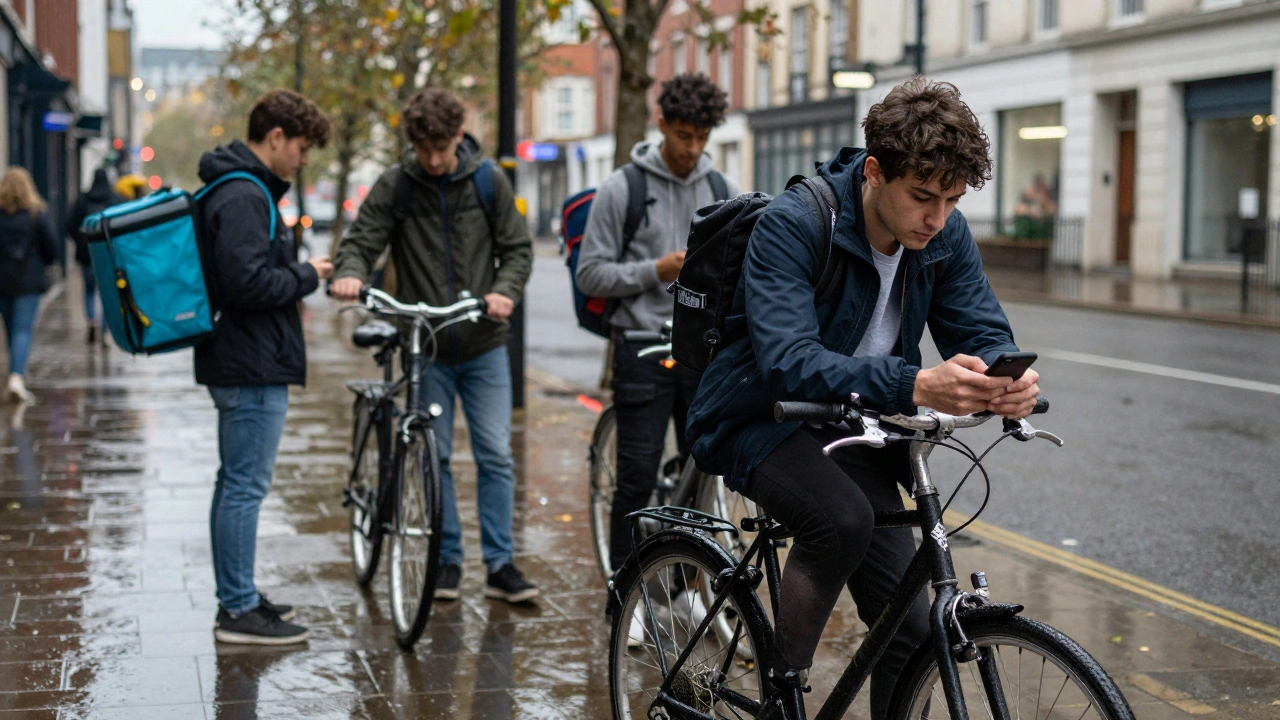
The Reality of Delivery Work for Students
Thinking about picking up a delivery gig between lectures? It looks like easy money on paper-just grab a bike or a car and start earning. But if you're a student in the UK, the gap between your gross earnings and what actually hits your bank account can be a shock. The biggest culprits are the hidden costs of Insurance and the gear you need to keep from freezing in a November rainstorm. If you don't plan for these, you might actually lose money during your first few weeks.
The goal here is simple: help you figure out if delivery driver jobs for students actually pay off after you've paid for the legal bits and the thermal bags. Whether you're looking at a bicycle, an e-bike, or a car, the financial entry barrier varies wildly.
Quick Financial Breakdown
| Vehicle Type | Insurance Type | Avg. Setup Cost | Risk Level |
|---|---|---|---|
| Bicycle | Public Liability | £50 - £150 | Low |
| E-Bike / Scooter | Hired & Not For Reward (HNFR) | £100 - £300 | Medium |
| Car | Hire & Reward (H&R) | £800 - £2,500 | High |
Navigating the Insurance Nightmare
This is where most students get tripped up. You cannot simply use your standard social and domestic insurance policy to deliver food. If you do, and you have an accident, your insurer will likely refuse the claim, and you could find yourself personally liable for thousands of pounds in damages.
For car drivers, you need Hire and Reward Insurance (H&R). This is a specific type of cover that tells the insurer you are using your vehicle to make money. Standard "business use" cover, which you might use for commuting to a campus job, does not cover the act of transporting goods for payment. H&R insurance is notoriously expensive for people under 25. In cities like Manchester or London, a 21-year-old might see their premium jump by £1,000 just to add delivery cover.
If you're on two wheels, it's a bit easier but still tricky. Most Bicycle riders rely on Public Liability Insurance. This covers you if you accidentally knock over a pedestrian or damage property while working. Many platforms provide some level of cover, but it's often a "thin" policy. It's worth spending £20 a year on a standalone policy to ensure you're fully protected if something goes wrong on a busy high street.
E-bike riders face a weird legal grey area. Depending on the wattage and whether the bike is "pedal-assist" or a throttle-based scooter, you might need a full vehicle insurance policy and a license. If your scooter is classed as a powered vehicle, your insurance needs to explicitly state that you're using it for deliveries, or you risk a fine and points on your license.
The Essential Equipment Checklist
You can't just throw a takeaway box in a backpack and call it a day. To make a decent hourly rate, you need to be fast and keep the food hot. The quality of your gear directly impacts your customer ratings, which in turn affects your access to high-paying "priority" orders.
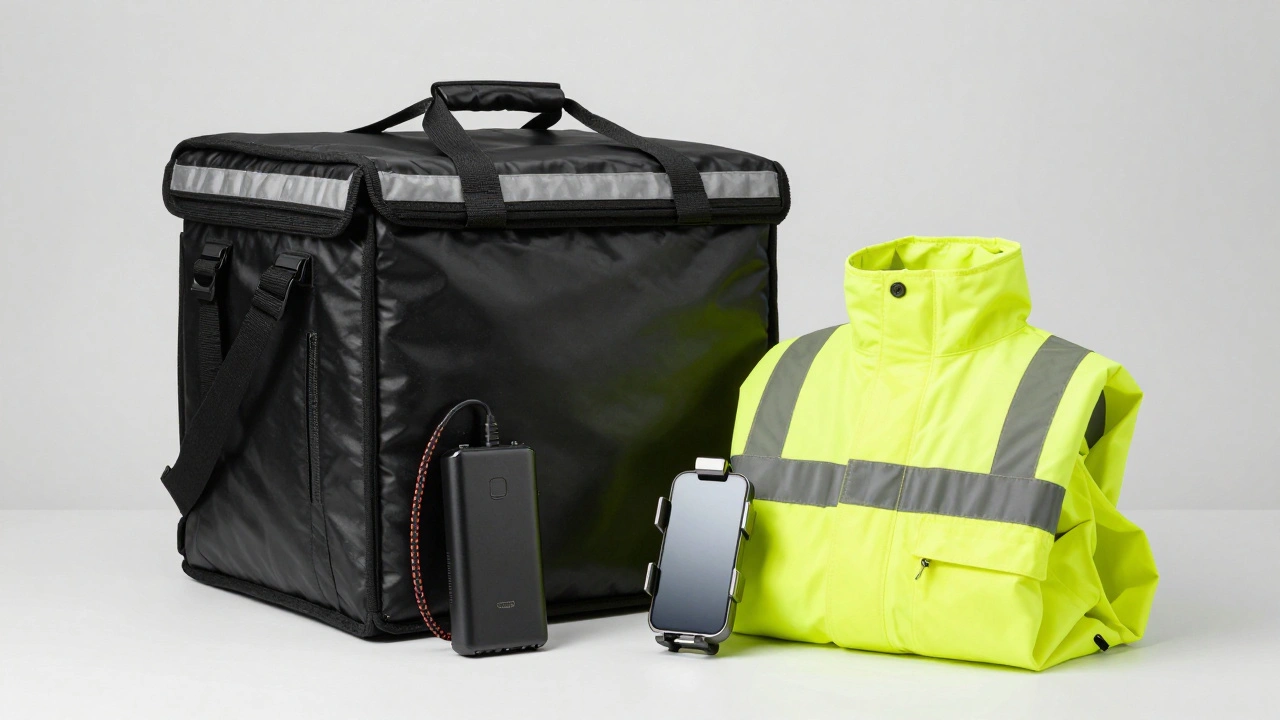
First, the Thermal Bag. Don't buy the cheapest one on Amazon; they leak heat. A professional-grade insulated bag costs around £40 to £80. If you're using a car, a large square bag that fits securely on the passenger seat is better than a backpack, which can cause back pain after a six-hour shift.
Next, consider your phone setup. You'll be staring at a screen every 30 seconds. A high-quality, vibration-dampened phone mount is non-negotiable for riders. Cheap mounts snap, and a dropped iPhone 15 is a massive hit to your profit margin. Pair this with a heavy-duty power bank. Delivery apps like Deliveroo and Uber Eats drain batteries rapidly because they keep the GPS active constantly.
Weatherproofing is the final hurdle. In the UK, you'll be working in the rain at least four months a year. Invest in high-visibility waterproofs. Not only do they keep you dry, but they keep you alive. Being invisible to a driver in a rain-blurred windshield is a recipe for disaster. A decent set of waterproof trousers and a jacket will run you about £60, but they pay for themselves in the hours of extra work you can do during a storm when delivery demand peaks.
Choosing Your Platform: The Big Players
Most students gravitate toward the "Big Three": Deliveroo, Uber Eats, and Just Eat. Each has a different entry requirement and pay structure.
- Uber Eats: Generally has the lowest barrier to entry. They are often more flexible with vehicle types and have a vast network of restaurants.
- Deliveroo: Known for a more curated list of restaurants. They often have stricter onboarding processes, sometimes having waiting lists for new riders in certain cities.
- Just Eat: They have moved toward a hybrid model, using both their own contractors and third-party logistics partners.
One thing to watch out for is the "per-drop" pay vs. "per-hour" pay. Some students find that during slow periods (like a Tuesday afternoon in February), the cost of running a car-fuel, wear and tear, and insurance-actually exceeds the money made from the deliveries. Bicycles are the only way to guarantee a positive net profit during low-demand hours.
Calculating Your Real Hourly Rate
To know if this job is actually helping your student loan, you need to run a "Net Profit" calculation. Most people just look at the app's total, but that's a mistake. Here is how you should actually calculate your earnings:
- Gross Earnings: Total money paid by the app for the week.
- Fuel/Maintenance: Subtract petrol and the cost of a monthly bike tune-up (about £15).
- Insurance Surcharge: Divide your annual insurance increase by 52 weeks. For a car, this could be £20-£40 a week. For a bike, it's pennies.
- Equipment Depreciation: Set aside £2-£5 a week for when your tires pop or your thermal bag rips.
- Taxes: Remember that you are self-employed. You should save about 20% of your profit for the HMRC tax return if you exceed the personal allowance threshold.
If you're making £12 an hour gross but spending £4 on fuel and insurance, your real take-home is £8. If you're on a bike, that takes-home stays much closer to the gross amount.
Common Pitfalls and Pro Tips
Avoid the mistake of "chasing the surge." Many students see a heat map showing a high-demand area and race across town to get there, only to find ten other riders arrived at the same time. Instead, position yourself near a cluster of high-rated "ghost kitchens" or popular fast-food hubs. This minimizes the distance you travel without an order.
Another trap is the "customer tip' gap. While some customers tip via the app, many don't. Never rely on tips to make your rent. Treat tips as a bonus for a new pair of shoes, not as core income. Also, be mindful of your vehicle's health. A car used for delivery takes significantly more wear and tear than a commuter car. Your brake pads and tires will wear out twice as fast due to the constant stop-start nature of city deliveries.
Can I use my standard car insurance for food delivery?
No. Standard insurance covers social, domestic, and sometimes commuting use. Delivering food for money is a commercial activity and requires specific Hire and Reward (H&R) insurance. Using standard insurance can lead to a voided policy and legal trouble if you have an accident.
Do I need a license to deliver with an e-bike in the UK?
It depends on the bike. If it's a pedal-assist e-bike (electrically assisted pedal cycles or EAPCs) that doesn't exceed 250W and 15.5mph, you don't need a license. However, if it's a throttle-based scooter or a more powerful e-bike, it may be classified as a motor vehicle, requiring a license, registration, and insurance.
How much should I expect to spend on a thermal bag?
A decent, durable thermal bag typically costs between £40 and £80. While cheaper options exist, they often fail to keep food at the required temperature, which can lead to lower customer ratings and fewer bonuses from the platforms.
Which is more profitable: car or bike for a student?
For most students, a bicycle or e-bike is more profitable per hour because the overhead costs (insurance, fuel, parking) are drastically lower. While cars can carry larger orders, the high cost of Hire and Reward insurance often eats up the extra profit, especially for drivers under 25.
Do I have to pay tax on my delivery earnings?
Yes, delivery riders are generally treated as self-employed contractors. If your total income from all sources exceeds the UK personal tax allowance, you must register for Self Assessment with HMRC and pay income tax on your profits.
Next Steps and Troubleshooting
If you've decided to go for it, your first move should be to check your vehicle's legal status. If you're using a scooter, verify its wattage and classification before applying to an app. If you're using a car, get a quote for H&R insurance first-you might find it's too expensive and decide to buy a second-hand bike instead.
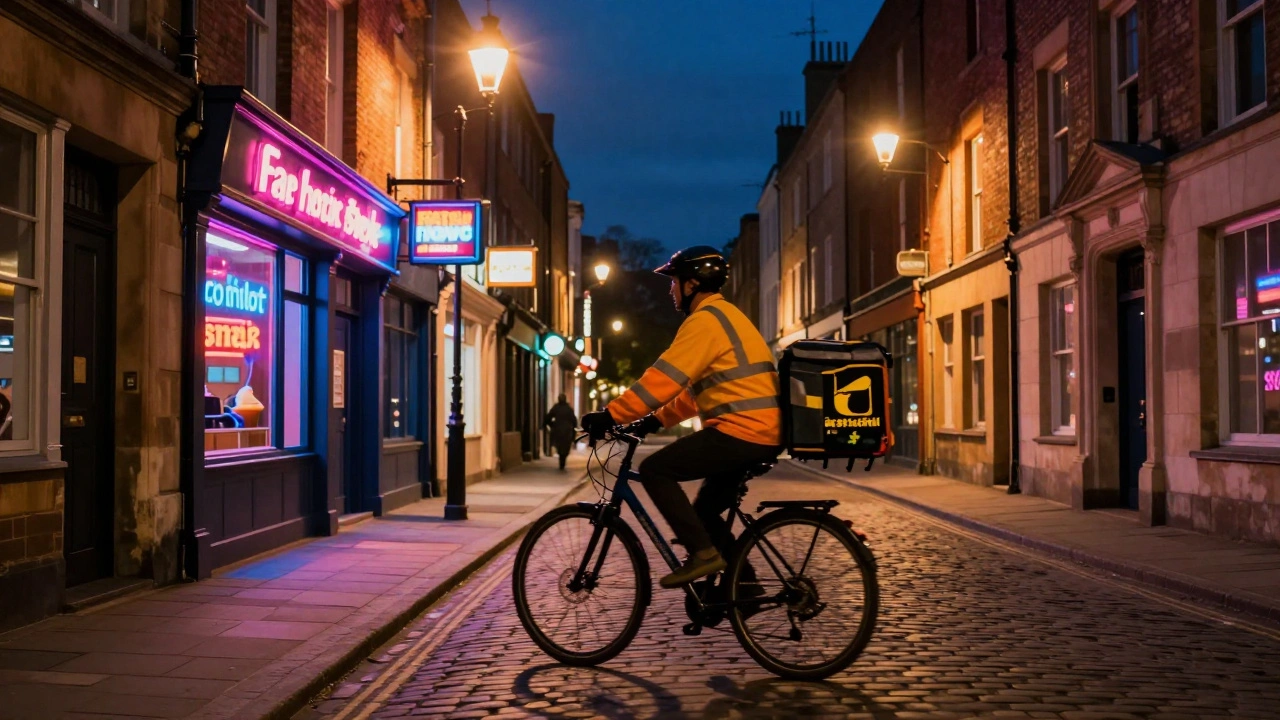
For those already riding who find their earnings dropping, try switching your shift times. The "dinner rush" (6 PM to 9 PM) is the most competitive, but the "late-night snack" window (11 PM to 2 AM) often has fewer riders and higher demand in university towns, potentially increasing your per-order payout.