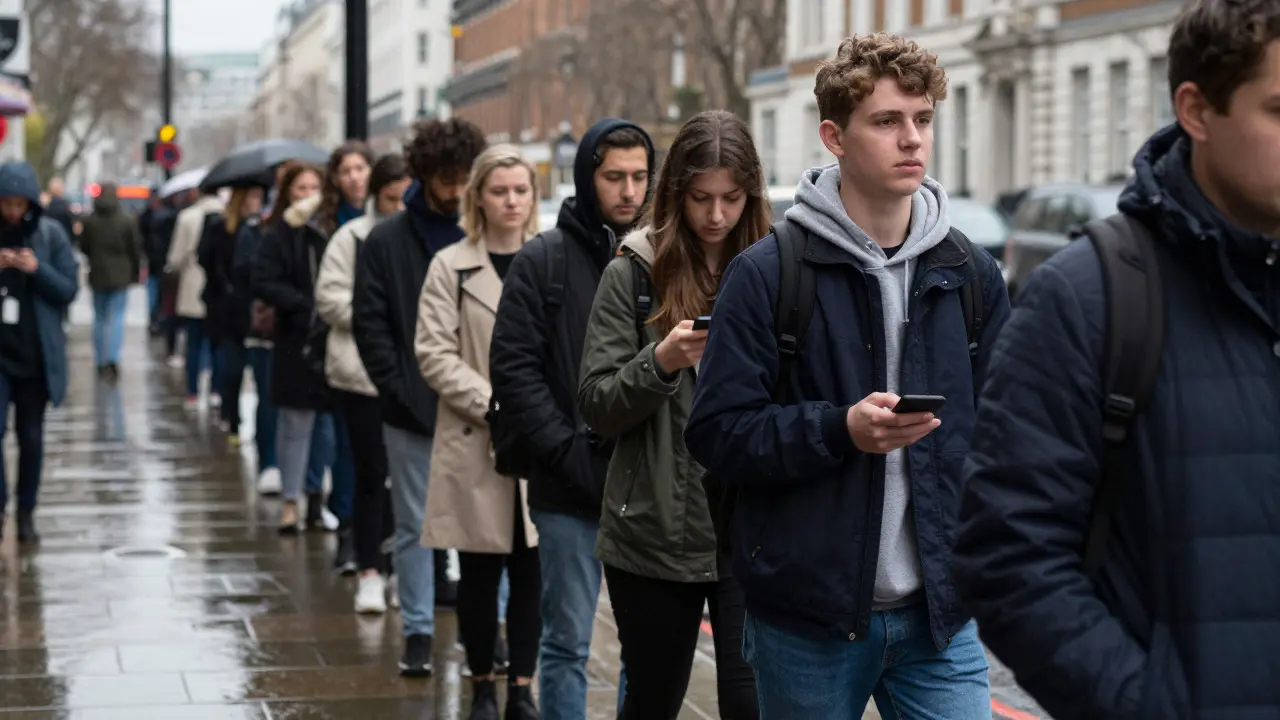
Arriving in the UK often feels like stepping into a different rhythm. The weather is greyer, the queues are longer, and people apologize when *you* bump into *them*. For international students, understanding these subtle social codes isn't just about being polite; it's about fitting in without losing your identity. This guide breaks down the UK customs that actually matter for daily student life, from how to handle small talk to why silence in an elevator is perfectly normal.
The Art of the Queue
If there is one non-negotiable rule in Britain, it is the queue. Whether you are waiting for a bus, buying coffee, or entering a shop, you must join the back of the line. Cutting in is considered a minor social crime. You will likely hear a quiet "Excuse me" or see a disapproving look rather than a loud argument. When joining, simply wait until the person in front moves forward. Do not stand too close; personal space is valued here. If you arrive with friends, try to keep your group compact so you don’t block the path for others behind you.
Small Talk and Weather Chat
British people are famous for talking about the weather. It seems boring, but it serves a specific purpose: it is a low-risk way to break the ice. If a classmate says, "Bit cold today, isn't it?", they aren't asking for a meteorological report. They are inviting conversation. You can respond with agreement ("Yes, I forgot my coat") or a simple observation. Avoid deep personal questions early on. Topics like politics, religion, or salary can be tricky unless you know the person well. Stick to safe zones: the university, local food, sports, or travel plans.
Dining Etiquette: From Canteens to Pubs
Eating habits in the UK differ significantly from many other countries. Breakfast is usually light-porridge, toast, or cereal. Lunch is often a quick sandwich or salad. Dinner is the main meal, typically eaten between 6 PM and 8 PM. In formal dining situations, such as a faculty dinner, use the cutlery from the outside in. However, in most student settings, casualness is key. Don't worry if you make a mistake; locals rarely judge harshly over table manners.
- Tipping: In restaurants, a 10-15% tip is standard if service was good. Check if service charge is already included on the bill first.
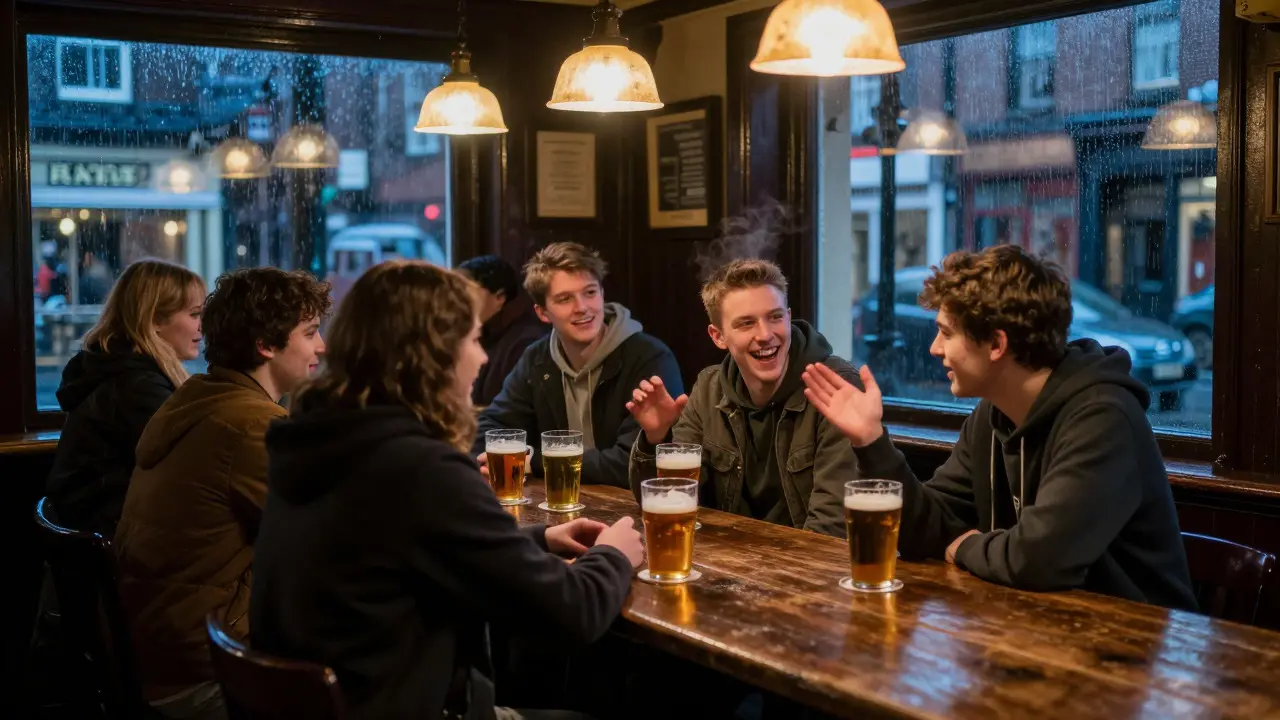
- Pub Culture: The pub is more than a bar; it's a community hub. Order at the bar, not at the table. Sit with a group, but don't force yourself in if you're shy. Loud behavior is acceptable, but rudeness is not.
- Tea Time: Tea is a comfort food. Offering someone tea is a gesture of care. Black tea with milk is the default preference for most Brits.
Communication Style: Understatement and Irony
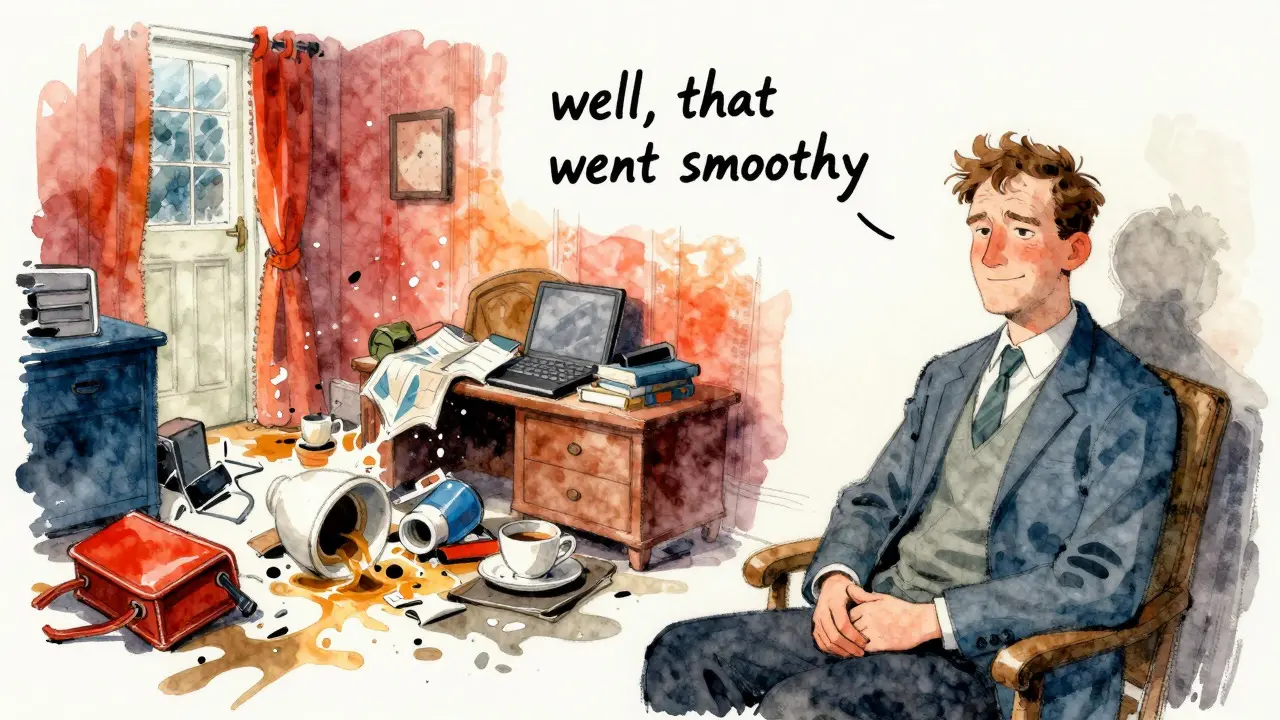
British communication is often indirect. If someone says something is "not bad," it probably means it's quite good. If they say "we could do better," it might mean it was mediocre. Learning to read between the lines takes time. Also, expect irony. A dry comment like "Well, that went smoothly" after a chaotic event is a common form of humor. Don't take everything literally. Silence is also part of the culture. In public transport, silence is expected. Talking loudly on the phone can draw stares. Headphones are your best friend on the Tube or bus.
Formal vs. Informal Address
Knowing when to use "Mr./Ms." versus first names is crucial in academic settings. At the start of your course, address professors and staff by their title and surname (e.g., "Dr. Smith"). Wait for them to invite you to use their first name. In peer interactions, first names are the norm immediately. Using "Sir" or "Ma'am" can sound overly formal or even old-fashioned in a student context. Be observant: if everyone else uses first names, follow suit.
Seasonal Events and Social Rhythms
The UK calendar is marked by specific events that affect student life. Bonfire Night (November 5) features fireworks and bonfires. St. Patrick’s Day (March 17) brings green decorations and parties. Christmas in the UK is cozy and family-oriented, but for students, it’s often a mix of home-cooked meals and university events. Easter marks the end of the spring term. Knowing these dates helps you plan social activities and understand why certain traditions occur. For example, don’t be surprised if shops close early on Christmas Eve or if there are special sales during Black Friday (late November).
Practical Tips for Daily Life
Beyond social norms, practical habits define the experience. Always carry a card or cash for small purchases. Many places accept contactless payment, but having some change is helpful. Dress for the weather, even if it looks sunny; rain can appear suddenly. Carry a compact umbrella. When meeting new people, a firm but brief handshake is standard. Eye contact shows confidence, but staring can be uncomfortable. Finally, be patient. Bureaucracy can be slow, and things may not happen instantly. Adaptability is your greatest asset.
Frequently Asked Questions
Is it rude to eat lunch at my desk in the UK?
No, it is very common. Most students eat quickly at their desks or in library corners. Formal lunches are rare during the week. If you want to socialize, invite classmates to a café instead.
How much should I tip in a restaurant?
Aim for 10-15% of the total bill if the service was good. Always check if a 'service charge' is already included. If it is, additional tipping is optional but appreciated for exceptional service.
What is the difference between a 'pub' and a 'bar' in the UK?
While similar, pubs are generally seen as community spaces with a focus on conversation and local atmosphere. Bars may be louder, trendier, and focused more on music or nightlife. Both are fine for socializing, but pubs are more traditional for casual drinks.
Should I shake hands when meeting someone?
Yes, a brief handshake is the standard greeting for men and women in professional and semi-formal contexts. Among friends, a hug or nod is common. Observe what others do and mirror their behavior.
Why do Brits say 'Sorry' so often?
It is a social lubricant used to acknowledge presence, not necessarily admit fault. If you bump into someone, both of you might say 'sorry'. It signals awareness and politeness rather than guilt.
Is it okay to walk and eat on the street?
Yes, especially in cities. Eating while walking is common and practical. Just be mindful of litter and dispose of wrappers in bins. It is less common in rural areas or formal settings.