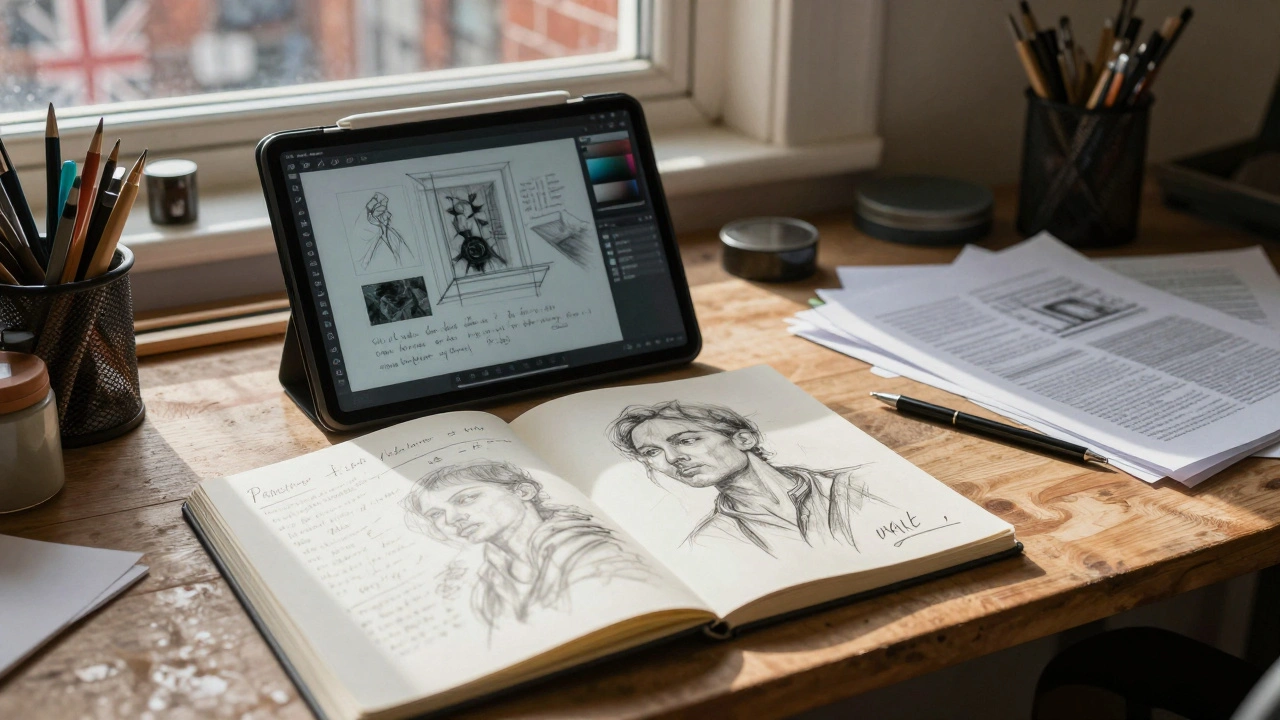
Submitting a portfolio for a UK creative degree is a critical step in the admissions process for art, design, and architecture programs can feel like walking into a dark room. You know you need to show your work, but the lights are off, and you’re not sure where the furniture is. Unlike US applications that often hinge on GPA and standardized tests, UK universities place massive weight on your actual ability to create, think critically, and solve visual problems. Your portfolio isn't just a gallery of your best moments; it’s evidence that you can handle the rigorous demands of a three-year undergraduate program.
If you miss the deadline or submit the wrong format, your application might get rejected before an admissions tutor even sees your personal statement. This guide breaks down exactly what UK universities expect from applicants in art, design, and architecture, helping you build a portfolio that stands out for the right reasons.
Why the Portfolio Matters More Than Grades
In the UK higher education system, particularly for creative subjects, academic grades (A-Levels, IB, or BTECs) get your foot in the door, but your portfolio gets you through it. Universities like The Royal College of Art is one of the world's leading postgraduate art and design schools or University of the Arts London is a federation of six specialist colleges offering courses in art, design, fashion, communication, and the performing arts receive thousands of applications with similar grade profiles. The differentiator is almost always the quality of your creative output.
Admissions tutors use portfolios to assess several key traits:
- Creative potential: Can you generate original ideas?
- Technical skill: Do you have the manual dexterity or digital proficiency required?
- Process thinking: How do you develop an idea from sketch to final product?
- Critical reflection: Can you articulate why you made certain choices?
Your portfolio needs to prove you aren’t just copying trends but engaging deeply with your medium. It shows them you belong in a studio environment alongside peers who are pushing boundaries.
Differences Across Disciplines: Art vs. Design vs. Architecture
Not all creative portfolios look the same. While there is overlap, each discipline has distinct expectations. Understanding these nuances prevents you from submitting a generic book that fails to address specific course requirements.
| Discipline | Primary Focus | Key Elements | Typical Format |
|---|---|---|---|
| Fine Art | Conceptual depth, experimentation | Sculpture, painting, installation, photography | Physical A3/A4 book or digital PDF |
| Graphic Design | Problem-solving, typography, layout | Branding projects, posters, UI/UX mockups | Digital PDF, website link |
| Architecture | Spatial reasoning, technical drawing | Sketches, models, CAD drawings, site analysis | Structured PDF with clear hierarchy |
For Fine Art, tutors want to see risk-taking. They don’t expect polished perfection; they want raw energy and intellectual curiosity. Show failed experiments alongside successes. For Graphic Design, clarity is king. Your layout should demonstrate an understanding of hierarchy, grid systems, and visual communication. In Architecture, precision matters. Include technical drawings, perspective sketches, and model photos to show you understand how spaces function physically and socially.
Structuring Your Portfolio for Impact
A common mistake is dumping every piece of artwork you’ve ever made into a folder. Admissions tutors spend minutes, not hours, reviewing each application. You need to curate ruthlessly. Aim for 10-15 high-quality pieces rather than 30 mediocre ones.
- Start Strong: The first two pages set the tone. Put your absolute best, most representative work here. If they don’t engage immediately, they may skim the rest.
- Show Process: Dedicate at least one-third of your portfolio to work-in-progress shots. Sketchbooks, rough drafts, and annotated notes reveal how you think. Tutors love seeing the journey from initial concept to final execution.
- Vary Mediums: Demonstrate versatility. If you’re applying for graphic design, include some hand-drawn illustrations or photographic elements to show range. Avoid relying solely on one software tool.
- Contextualize Work: Each project needs a brief caption. Explain the prompt, your role, the tools used, and the outcome. Keep descriptions concise-bullet points work well.
- End Memorable: Conclude with a piece that leaves a lasting impression. It could be an ambitious ongoing project or a piece that showcases your unique voice.
Organization is crucial. Number your pages clearly. Ensure images are high-resolution but optimized for file size if submitting digitally. Blurry images suggest carelessness, while huge files cause technical glitches.
Digital vs. Physical Portfolios: What to Submit
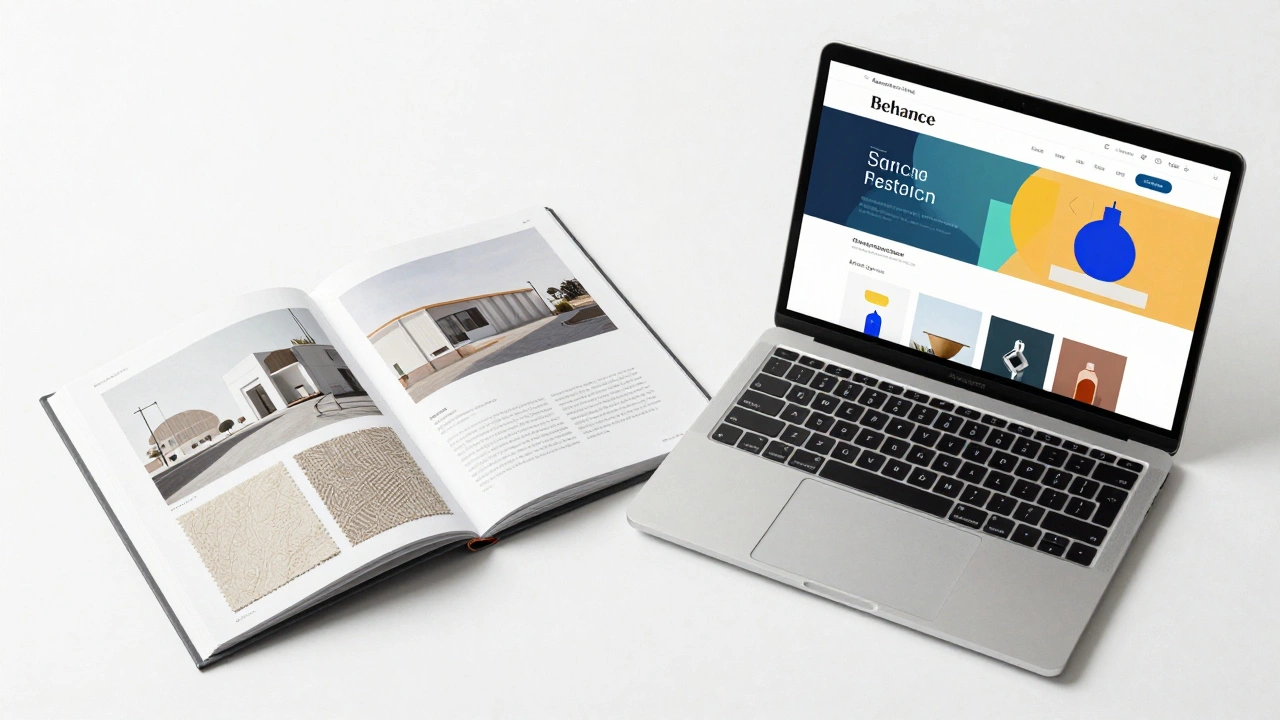
The shift toward digital submissions has accelerated since 2020. Most UK universities now accept PDFs or links to online platforms like Behance, Adobe Portfolio, or personal websites. However, physical portfolios still hold value for certain institutions, especially those with intensive interview processes.
Digital Advantages:
- Easier to update and share globally.
- Can include video or interactive elements.
- No shipping costs or risk of damage.
Physical Advantages:
- Tactile experience allows tutors to judge scale and texture.
- Shows professionalism in presentation skills.
- Better for sculpture, textile, or mixed-media work where materiality is key.
Check each university’s specific guidelines. Some require both formats: a digital version for initial screening and a physical copy for interviews. If sending a physical book, use a sturdy A3 or A4 case. Protect delicate works with acetate sheets. Never staple pages together; use binding methods that allow flat opening.
Common Pitfalls to Avoid
Even talented students lose offers due to preventable errors. Here are the biggest red flags admissions tutors spot:
- Lack of Cohesion: A random assortment of styles without a unifying thread suggests indecision. Curate a narrative that reflects your artistic identity.
- Over-polished Work: Especially in fine art, overly finished pieces can hide lack of exploration. Show your messy middle.
- Igoring Instructions: If a university asks for 10 pages and you send 20, you’ve already failed the test of following directions. Read the brief carefully.
- Poor Image Quality: Grainy photos, bad lighting, or inconsistent cropping distract from the content. Invest time in scanning or photographing your work properly.
- No Personal Voice: Copying popular aesthetics without adding your perspective makes you blend in. Stand out by being authentic.
Another frequent error is including work done for commercial clients without proper attribution or context. If you’ve worked professionally, clarify your contribution versus team efforts. Academic programs want to see individual capability.

Preparing for the Portfolio Review Interview
Many top-tier UK creative degrees require an interview after portfolio submission. This isn’t a grilling; it’s a conversation about your work. Tutors want to hear you talk passionately about your creative process.
Prepare to discuss:
- Why you chose specific materials or techniques.
- Challenges you faced and how you overcame them.
- Influences beyond famous artists-books, films, social issues, nature.
- How you plan to develop your practice during the degree.
Bring extra copies of your portfolio if possible. Be ready to flip through it while speaking. Practice explaining complex concepts simply. Confidence comes from knowing your work inside out. Anticipate questions like “What would you change if you did this again?” or “How does this piece relate to current trends in your field?”
Timeline and Deadlines
Planning ahead is essential. UCAS (Universities and Colleges Admissions Service) handles most undergraduate applications in the UK. The standard deadline for Oxford, Cambridge, and medicine/dentistry/veterinary science is October 15, but for creative courses, it’s typically January 31. However, some conservatoires and art schools have earlier deadlines or rolling admissions.
Start building your portfolio at least six months before application day. Use summer breaks to complete major projects. Allocate weeks for editing, formatting, and seeking feedback. Don’t wait until the last minute to scan or upload files. Technical issues happen, and panic ruins judgment.
If you’re applying internationally, factor in visa processing times and currency exchange rates for any fees. Early preparation reduces stress and improves quality.
Seeking Feedback and Refinement
Your eyes grow tired of your own work. Get external perspectives early. Teachers, mentors, or professional artists can offer constructive criticism. Ask specific questions: “Is my layout confusing?” “Does this project communicate its intent clearly?”
Join online communities or attend portfolio review events hosted by universities. Many institutions offer virtual open days where you can submit sample pages for feedback. Take notes seriously-even harsh comments help identify blind spots.
Iterate. Revise based on input, then revise again. A strong portfolio undergoes multiple rounds of refinement. Trust the process. Every edit brings you closer to presenting your best self.
Do I need professional experience for a UK creative degree portfolio?
No, professional experience is not required. Undergraduate programs seek potential, not proven expertise. Focus on demonstrating creativity, curiosity, and willingness to learn. School projects, personal experiments, and extracurricular activities count as valid work.
Can I submit digital-only portfolios for all UK universities?
Most universities accept digital portfolios via PDF or web links. Check individual course pages for exceptions. Some prestigious institutions may request physical copies for shortlisted candidates during interviews. Always verify current requirements on official university websites.
How many pieces should be in my portfolio?
Aim for 10-15 high-quality pieces. Quality trumps quantity. Include a mix of finished works and process documentation. Ensure each piece serves a purpose and contributes to your overall narrative. Remove anything weak or irrelevant.
What if I don’t have much artwork yet?
Start creating immediately. Document everything-sketches, ideas, failures. Even small studies show engagement with your craft. Consider undertaking focused projects aligned with your target discipline. Consistency matters more than volume when starting late.
Should I tailor my portfolio for each university?
Yes, subtle customization helps. Research each department’s strengths and recent student work. Highlight projects that align with their ethos. For example, emphasize sustainability themes for eco-focused programs. Adjust ordering slightly to match priorities, but keep core content consistent.
Are there specific file size limits for digital submissions?
Limits vary by institution. Common maximums range from 10MB to 50MB per file. Compress images without losing clarity. Use JPEG for photographs and PNG for graphics with transparency. Test uploads beforehand to ensure compatibility and speed.
Can I include collaborative work in my portfolio?
Yes, but clearly define your role. Describe what you contributed versus teammates’ efforts. Collaborative projects demonstrate teamwork and communication skills, which are valuable in creative industries. Provide context so evaluators understand your individual impact.
Is it okay to show unfinished or experimental work?
Absolutely. Experimental pieces showcase innovation and risk-taking. Unfinished work reveals your thought process and adaptability. Balance these with completed projects to prove you can finish tasks. Label experiments appropriately to distinguish them from final outputs.
How important is the personal statement compared to the portfolio?
The portfolio carries more weight for creative degrees. However, the personal statement complements it by providing context, motivation, and career goals. Together, they form a complete picture of your suitability. Write honestly and connect your experiences to your chosen field.
What happens if my portfolio doesn’t meet expectations?
You may receive a rejection or an invitation to resubmit. Treat feedback constructively. Improve weaknesses identified by reviewers. Apply next cycle with enhanced materials. Persistence pays off-many successful artists faced initial setbacks before gaining acceptance.