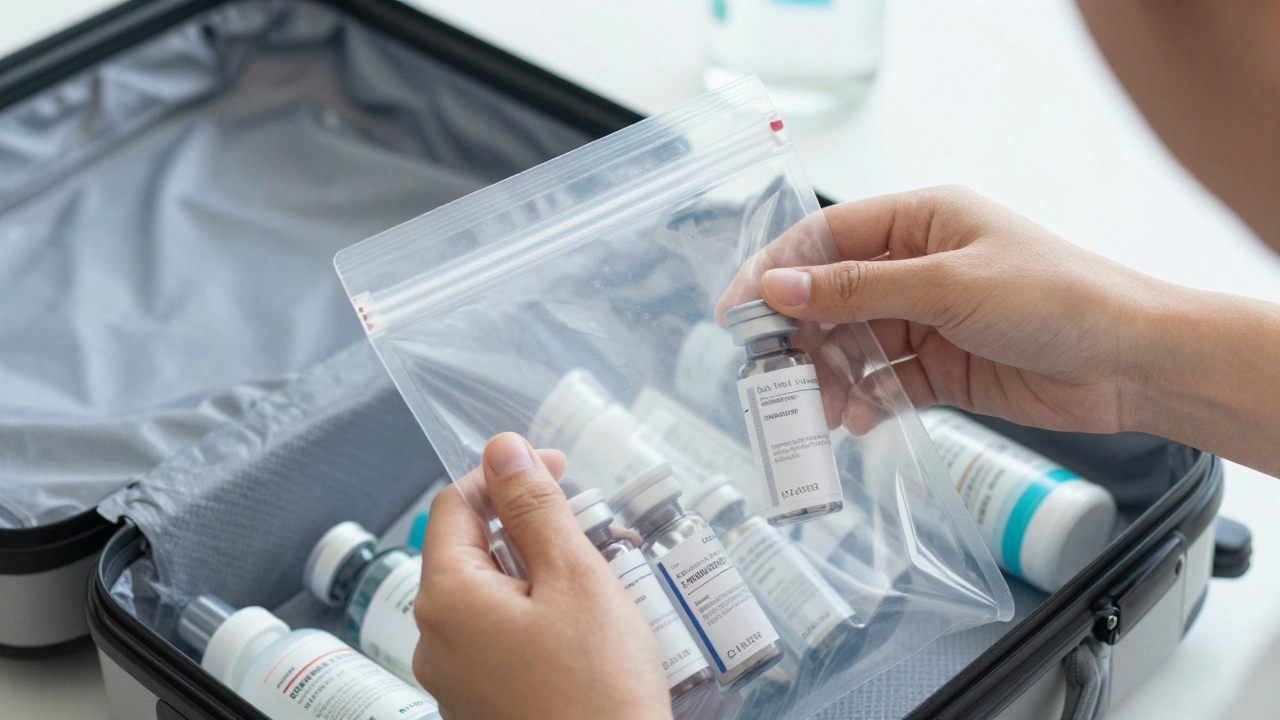
Ever stood in a security line at Heathrow, fumbling with your bag, only to have your shampoo confiscated? You're not alone. For UK students jetting off to study abroad or visiting home, airport security can feel like a minefield. But with the right prep, you can breeze through - no stress, no delays.
Liquids Rule: What You Can and Can't Carry
The 100ml ruleA regulation requiring all liquid containers in hand luggage to be 100ml or less isn't just a suggestion-it's strict. Each container must hold no more than 100ml. Think of your shampoo: if the bottle says '150ml', even if it's half-full, it's not allowed. But here's the kicker: you can carry multiple 100ml bottles as long as they all fit in a single clear, resealable bag (20x20cm max). Medicines and baby food? They're exceptions, but you'll need to declare them. Pack them separately and have a doctor's note ready if you're carrying large quantities.
According to the Civil Aviation AuthorityThe UK government body responsible for aviation safety regulations (CAA), this rule applies to all UK airports. In 2026, the CAA confirmed there are no changes to the liquids policy. So, if you're packing your favorite face serum or perfume, double-check the size. A good trick? Transfer liquids into smaller bottles before you travel. Many drugstores sell travel-sized containers that fit the rule perfectly. And remember: the bag must be clear and resealable. No colored plastic bags allowed.
Hand Luggage Size and Prohibited Items
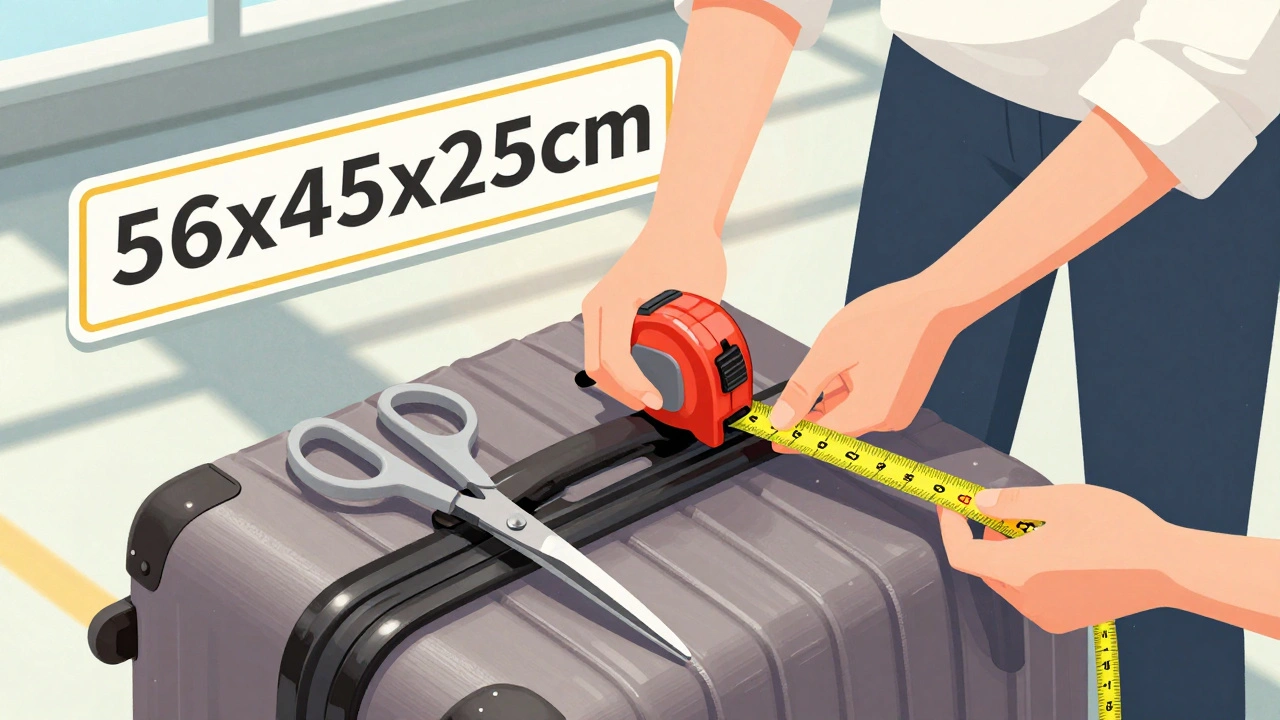
Most UK airlines allow hand luggage up to 56x45x25cm, but budget carriers like Ryanair or EasyJet have stricter limits. Always check your airline's website before packing. A common mistake students make is overpacking-thinking they can squeeze everything into one bag. Instead, measure your bag. If it's too big, you'll pay extra fees at the gate.
Prohibited items in hand luggage include sharp objects like scissors longer than 6cm, nail clippers with sharp edges, and any type of weapon. But don't worry-safety razors and disposable razors are allowed. Power banksPortable battery packs for charging devices must be carried in your hand luggage, not checked baggage. Each power bank should be under 100 watt-hours. Most standard 20,000mAh power banks fit this limit, but larger ones need airline approval. And laptops? You'll need to take them out of your bag at security. Keep them in a separate sleeve for quick access.
Security Check Process: What to Expect
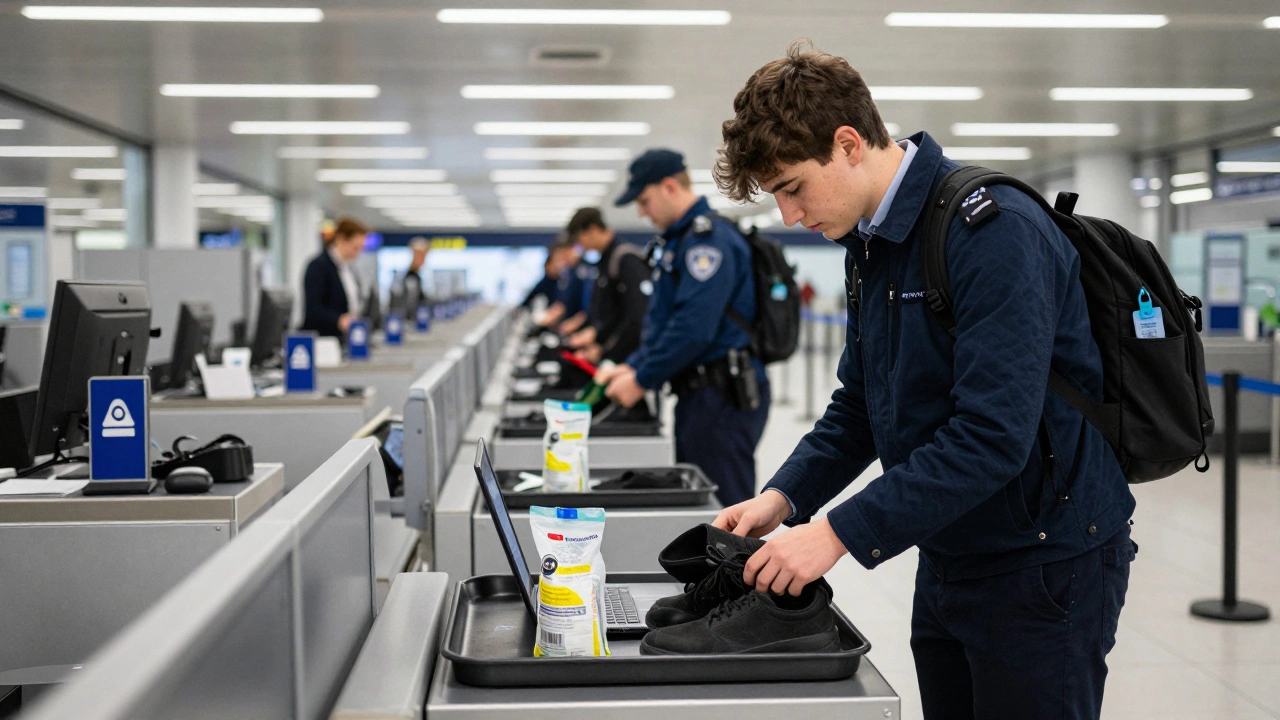
At UK airports like Heathrow or Gatwick, security lines can get busy. But preparation makes all the difference. When you approach the checkpoint:
- Remove your shoes, belt, and jacket before reaching the X-ray machine.
- Take out laptops, tablets, and large electronics for separate scanning.
- Place your clear liquids bag in a separate tray.
- Empty pockets of keys, coins, and phones-these can set off alarms.
Students often forget to empty their pockets. A single set of keys or a phone left in a jacket pocket can slow down the whole line. If you're in a hurry, practice this routine at home before your trip. It only takes a minute, but it saves you from missing your flight.
Pro Tips for Student Travelers
Traveling with friends? Split up liquids. Each person carries their own clear bag. This way, you avoid having to dump everything if one bag is too full. Also, check if your airline offers student discounts for checked baggage. Sometimes it's cheaper to check a bag than risk throwing away your favorite moisturizer at security.
Another tip: pack a small toiletry kit with essentials like toothpaste, deodorant, and face wipes. These items are usually allowed in hand luggage if under 100ml. For longer trips, consider buying travel-sized products at your destination. Many cities have drugstores near airports with affordable options.
And if you're carrying medication? Always keep it in your original packaging. A doctor's note can help if security asks questions. For example, if you need insulin or prescription pills, having the label and prescription details on hand avoids delays.
Common Mistakes to Avoid
Here's what most students get wrong at UK airports:
- Putting full-size toiletries in hand luggage. Always check container sizes before packing.
- Using a colored plastic bag for liquids. Only clear, resealable bags are allowed.
- Leaving laptops or electronics in bags during security screening.
- Forgetting to remove shoes or belts at the checkpoint.
- Trying to carry prohibited items like sharp objects or large power banks.
These small errors can cause major delays. But with a little prep, you'll breeze through security every time.
Can I carry medication in my hand luggage?
Yes, you can carry necessary medications in your hand luggage. Keep them in their original packaging and have a doctor's note or prescription details handy. If you're carrying liquids like insulin, they're exempt from the 100ml rule, but you may need to declare them at security. Always pack enough for your trip and keep them accessible.
What if I have a larger bottle of sunscreen?
If your sunscreen bottle exceeds 100ml, you'll need to pack it in checked luggage. The 100ml rule applies strictly to hand luggage-no exceptions for sunscreen. Alternatively, buy travel-sized sunscreen at your destination or before your flight. Many airports have shops where you can purchase compliant sizes.
Are electronic devices allowed in hand luggage?
Yes, laptops, tablets, and other electronics are allowed in hand luggage. However, you must remove them from your bag during security screening and place them in a separate tray. Power banks must also stay in hand luggage. Just remember: any device with a battery larger than 100Wh may require airline approval.
What happens if I forget to remove my laptop at security?
If you forget to take out your laptop, security officers will likely ask you to do so. This can delay you and the line behind you. To avoid this, always keep your laptop in a separate sleeve or bag within your main luggage. Practice this routine before traveling so it becomes second nature.
Can I bring food on the plane?
Yes, most solid foods like sandwiches, fruit, or snacks are allowed in hand luggage. However, liquids or gels (like yogurt, jam, or sauces) must follow the 100ml rule. If you're traveling internationally, check the destination country's rules-some have restrictions on fresh produce. Always pack food in sealed containers to avoid spills.