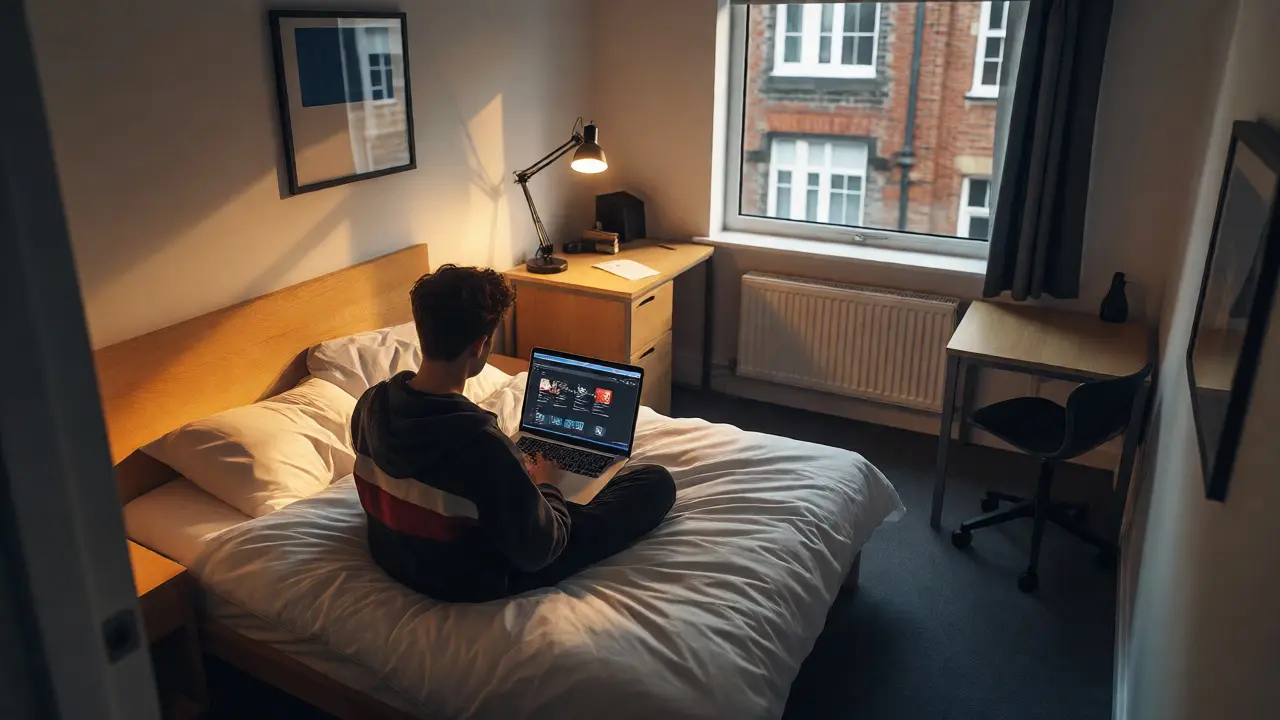
You’re sitting in your room at university, scrolling through Netflix or catching up on the latest episode of a BBC show, and a thought hits you: Do I actually need a TV licence? If you’re living in student halls, the answer might be different than if you’ve moved into a shared house with three other people. It’s one of those things that feels confusingly bureaucratic until you realize it can cost you £159 if you get it wrong.
Here is the quick breakdown before we get into the nitty-gritty:
- Halls of Residence: Usually covered by the university’s blanket licence if you watch only in your room.
- Private Rentals: You almost always need your own licence unless everyone in the house shares one flat.
- Streaming Services: Watching live TV or BBC iPlayer requires a licence, regardless of where you live.
- Cost: The standard annual fee is £169.50 (as of 2024/2025 rates, subject to change), but exemptions exist for some students.
The Golden Rule: Where Do You Watch?
The core rule from TV Licensing is simple: you need a licence if you watch or record programmes as they’re being shown on TV, or if you download or watch BBC programmes on BBC iPlayer, live or any time. This applies whether you use a traditional television set, a computer, a tablet, or even a mobile phone.
But here is the catch that trips up most students: where you are watching matters. If you are in a self-contained unit-like a studio apartment or a bedsit-you need your own licence. If you are in a larger building like halls of residence, the rules shift depending on who owns the equipment and the space.
Living in Student Halls of Residence
If you are staying in university-managed accommodation, check your contract or ask your housing office immediately. Most universities hold a blanket TV licence that covers all students living in their halls. This means you don’t need to buy one yourself, provided you follow two strict conditions:
- You watch TV or stream content only inside your own room.
- You do not watch in communal areas like lounges, kitchens, or study rooms.
Why? Because the university’s licence typically covers individual rooms. If you bring a laptop into the common room and watch BBC iPlayer there, you are technically outside the scope of that blanket coverage. Some universities cover communal areas too, but you must verify this. Don’t assume. A quick email to your accommodation team saves you a potential fine.
| Accommodation Type | Licence Needed? | Who Pays? | Notes |
|---|---|---|---|
| University Halls (Room Only) | No (if covered) | University | Check if communal areas are included. |
| University Halls (Communal Areas) | Maybe | University | Verify specific hall policy. |
| Private House Share (Shared Living) | Yes (One per property) | Housemates split cost | Covers whole address if watched in shared spaces. |
| Studio Flat / Bedsit | Yes (Individual) | You | Treated as separate dwelling. |
| Self-Catering Holiday Let | Usually No | N/A | Only if no TV provided by landlord. |
Moving Into Private Rentals
This is where things get expensive. If you move out of halls into a shared house or flat, you are likely entering a "self-contained" dwelling situation. In legal terms, if you have exclusive use of a kitchen and bathroom, you are considered a separate household. But in a typical student house share, you share these facilities.
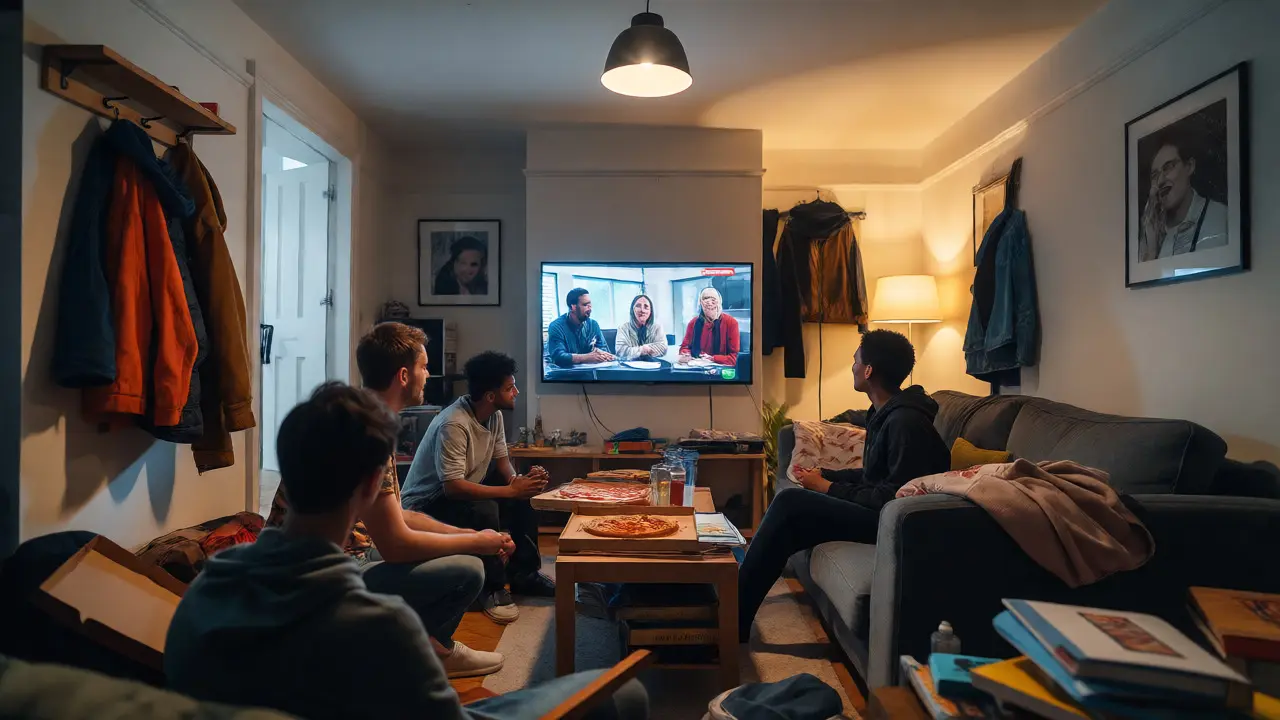
Here is how TV Licensing views it: If you and your housemates share a single property address, you only need one TV licence for the entire house, provided you watch TV in shared areas (like the living room) or if the licence covers the main entrance. However, if you have your own en-suite and kitchenette (making it a self-contained unit), you might need your own licence.
Most student houses fall under the "shared household" category. This means you and your housemates should split the cost of one licence. If you don’t have a licence and someone gets caught, the fine can hit anyone in the house. It’s best to agree upfront who buys it and how you split the £169.50 bill.
What Counts as "Watching Live"?
Students often think streaming services like Netflix, Amazon Prime, or Disney+ require a licence. They don’t. These platforms offer on-demand content that isn’t broadcast live. You can binge-watch Stranger Things all weekend without paying TV Licensing a penny.
However, the moment you switch to a live channel-whether it’s BBC One, ITV, Channel 4, or Sky Sports-or use BBC iPlayer, you need a licence. Even if you’re just listening to BBC Radio 4 via an app on your phone while studying, you need a licence. Yes, really. The law treats audio-only reception of BBC radio via internet apps the same as TV.
Exemptions and Discounts for Students
Are there ways to pay less? Generally, full-time students don’t get a discount on the standard fee. However, there are two major exemptions worth knowing:
- Over 75s: Free licence (not relevant for most undergrads, but good for grandparents visiting).
- Blind Individuals: Half-price licence.
Some students mistakenly believe being a student exempts them. It doesn’t. Unless you are living in halls under a university blanket licence, you are liable for the full fee. If you are financially struggling, consider using a free-to-air service like YouTube or social media clips instead of live TV during term time.
Consequences of Getting Caught
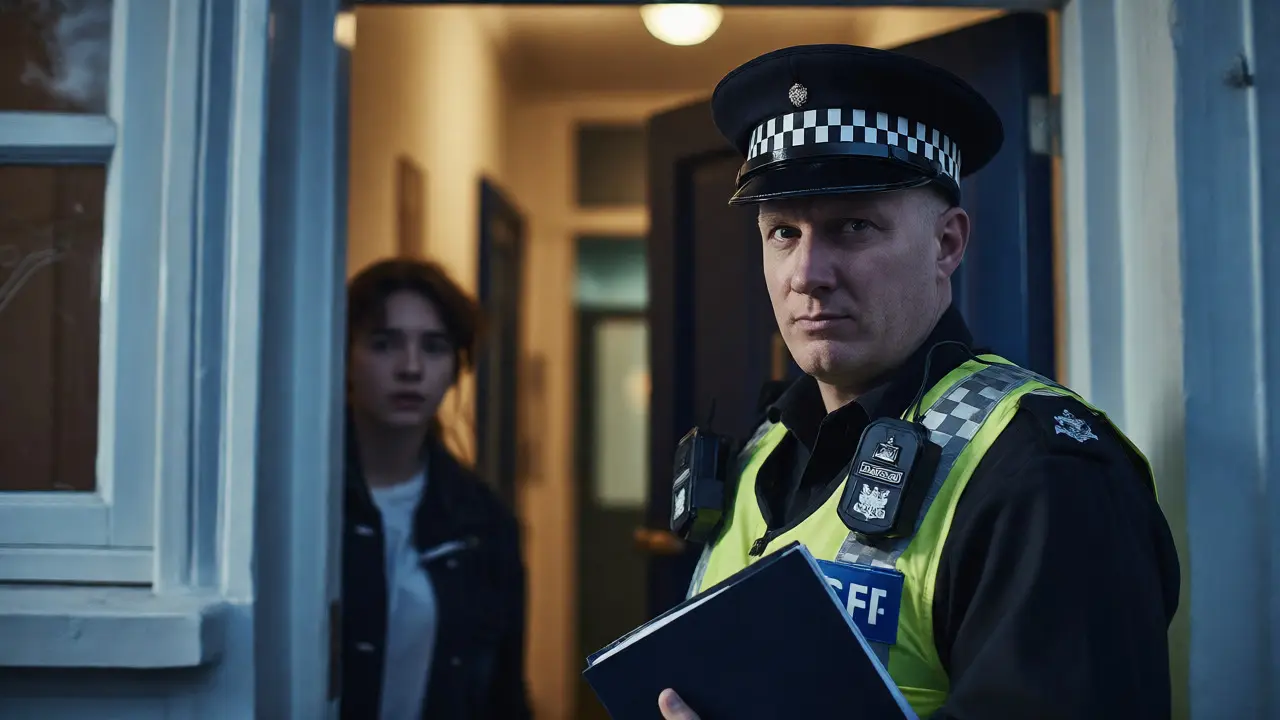
TV Licensing has a database of addresses registered with licences. If they send a letter saying they haven’t received payment, ignore it at your peril. They can send enforcement officers to inspect your home. If they find you watching live TV without a licence, you face a fine of up to £1,000 plus court costs.
In practice, first-time offenders often get a smaller fine, around £150-£300, but it adds stress and paperwork during exam season. Don’t gamble with it. If you’re unsure, buying a licence is cheaper than a fine.
Practical Tips for Saving Money
If you decide you need a licence, here are a few tricks to manage the cost:
- Monthly Payments: Instead of paying £169.50 upfront, opt for direct debit. It spreads the cost over 12 months, making it easier to budget alongside rent and food.
- Share Fairly: If you’re in a house share, write down the agreement. Who pays? When? What happens if someone moves out mid-year?
- Cancel Properly: If you leave your accommodation and stop watching TV, cancel your licence. Don’t just let it expire; formally notify TV Licensing to avoid renewal charges.
- Use University Wi-Fi Wisely: Some university networks block certain ports or services. Check if your uni provides access to licensed streaming platforms for free.
Frequently Asked Questions
Do I need a TV licence if I only watch Netflix?
No. Netflix, Amazon Prime Video, Disney+, and similar on-demand services do not require a TV licence because they are not broadcasting live channels. You only need a licence if you watch live TV or use BBC iPlayer.
Does my university TV licence cover me if I watch in the communal lounge?
It depends on your university’s specific policy. Many blanket licences cover only individual student rooms. Always check with your accommodation office before watching in shared spaces.
Can I use my parents' TV licence if I go home for holidays?
Yes, if you are still registered at your parents' address and they have a valid licence covering that property, you can watch there. However, you cannot use their licence details for your student accommodation address.
What happens if I don't pay the fine?
If you ignore a court summons for unpaid TV licence fees, you may face additional court costs and potentially a criminal record, though jail time is extremely rare for non-payment alone.
Do I need a licence for my laptop?
Yes. The device doesn't matter. If you use your laptop to watch live TV or BBC iPlayer, you need a licence. This applies whether you're in halls, a house share, or a studio flat.
Next Steps
Don’t wait until the letters start piling up. Take ten minutes today to assess your current setup. Are you in halls? Email your housing team. Are you in a private share? Talk to your housemates. If you’re moving soon, factor the licence cost into your budgeting spreadsheet. It’s a small administrative task that prevents big headaches later.