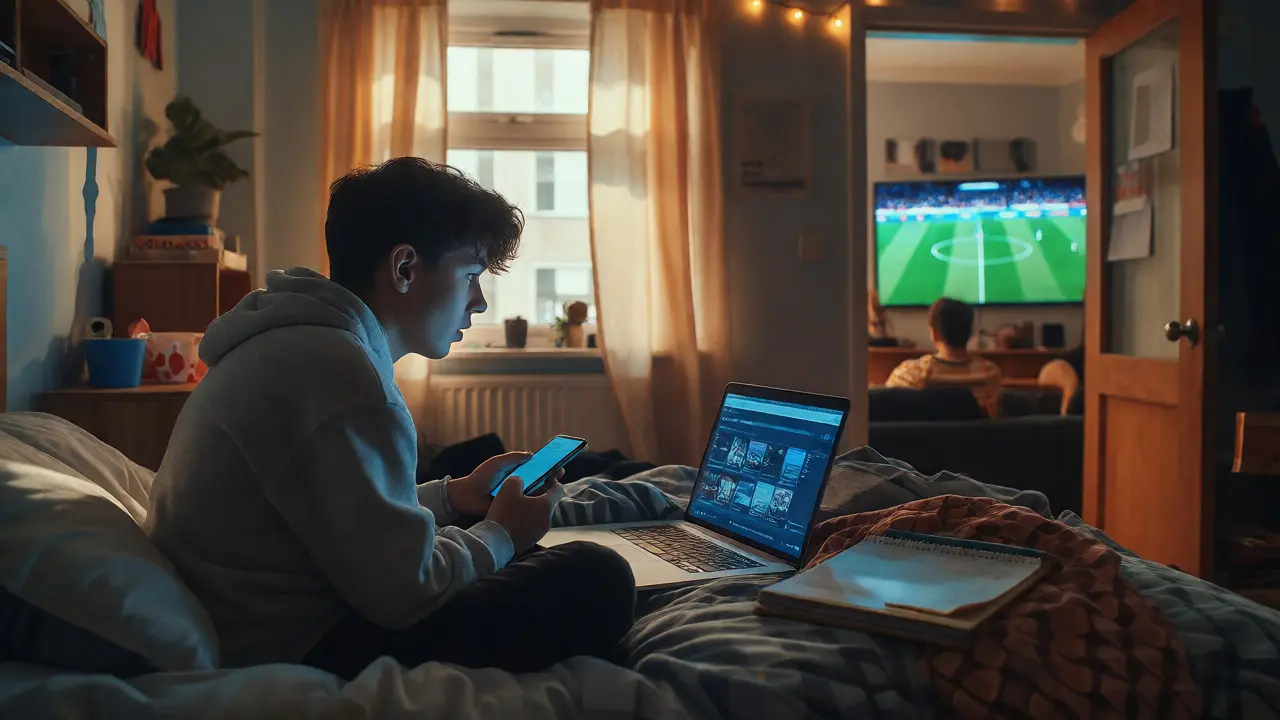
You’re sitting in your shared flat in Manchester, scrolling through Netflix on your laptop. Your roommate is watching live football on the big screen in the living room. You think, "I’m not watching it, so I don’t need a TV Licence for my room, right?" Wrong. This is one of the most common-and expensive-mistakes students make in the UK. If you watch or record any live TV, or use BBC iPlayer, you need a licence. Period. It doesn’t matter if you’re using a phone, a tablet, or a gaming console. If you miss this detail, you could face a £1,000 fine. Let’s break down exactly who needs one, when you might be exempt, and how to keep your wallet safe.
Key Takeaways
- The Golden Rule: If you watch live TV (any channel) or BBC iPlayer on any device, you need a licence.
- Shared Housing: One licence covers the whole property if you have a joint tenancy; individual rooms with separate contracts usually need their own.
- Digital Only: Watching strictly on-demand content like Netflix or Amazon Prime without live TV does not require a licence.
- Fine Risk: Prosecution can lead to a maximum fine of £1,000 plus court costs.
- Verification: Always check your specific contract type before assuming you are covered by your housemates.
What Actually Counts as Watching Live TV?
The definition of "watching" has changed since streaming took over. Many students assume that because they aren’t using an aerial connected to a wall socket, they are off the hook. That’s a dangerous assumption. The TV Licensing authority defines "live TV" as anything broadcast at the same time as it is being shown on television. This includes terrestrial channels like BBC One, ITV, Channel 4, and Sky News. It also includes live streams on platforms like YouTube or Twitch if the content is being broadcast simultaneously on a traditional TV channel.
Here is where it gets tricky: BBC iPlayer. Even if you watch a show recorded last week, if you stream it via BBC iPlayer, you need a licence. This rule was introduced in 2016 and remains strictly enforced. However, if you only watch catch-up services like ITVX, All 4, or My5, and you never touch BBC iPlayer or live broadcasts, you technically do not need a licence. But be careful-if you ever decide to binge-watch a BBC drama on iPlayer, you must have a valid licence active on that day.
Do You Need One in Student Halls vs. Private Flats?
This depends entirely on your housing arrangement. The rules differ significantly between university-managed accommodation and private rentals.
| Accommodation Type | Licence Requirement | Who Pays? |
|---|---|---|
| University Halls of Residence | Covered by University’s blanket licence | Included in rent (usually) |
| Private Flat (Joint Tenancy) | One licence for the whole property | Split among housemates |
| Private House (Individual Rooms) | Each self-contained unit needs its own | Individual tenant |
| Studio Apartment | One licence required | Tenant |
If you live in university halls, you are likely covered. Most universities hold a single licence that covers all student accommodation buildings. You don’t need to do anything unless you bring your own TV into a room that isn’t covered by the university’s agreement. Check with your accommodation office first.
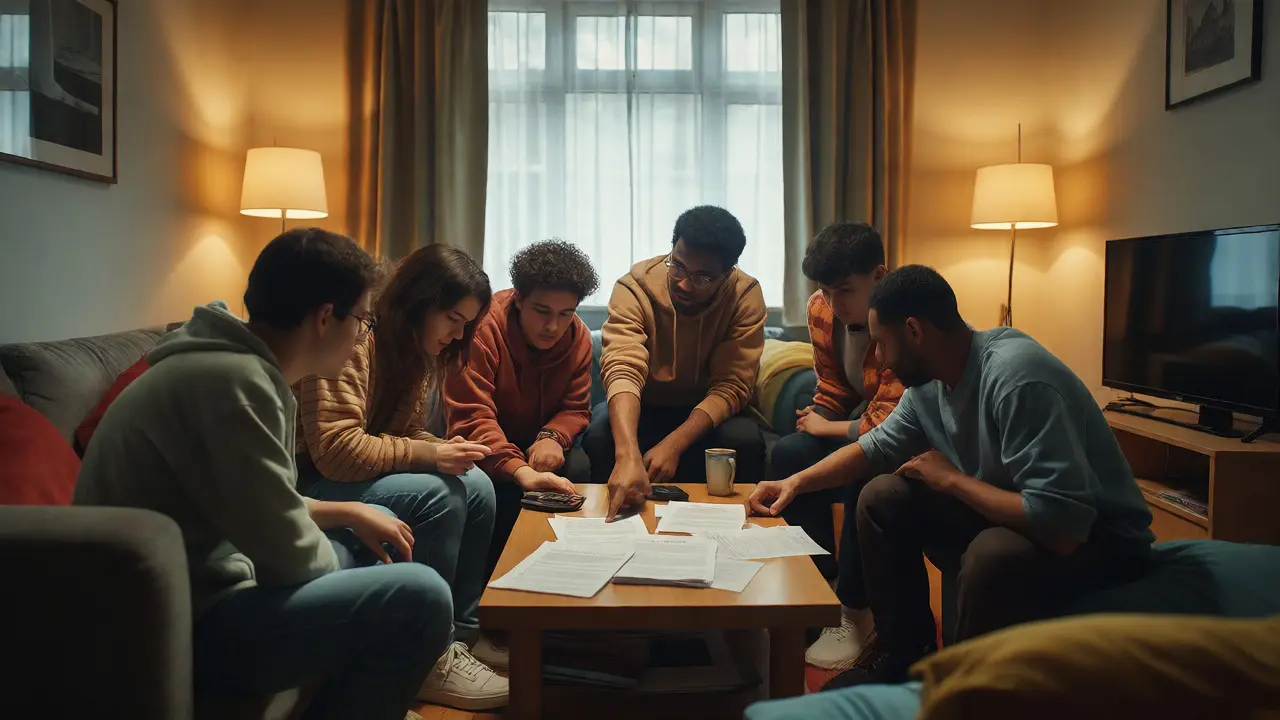
In private housing, things get messy. If you signed a joint tenancy agreement for the entire flat, you share responsibility. One person can buy the licence, and everyone splits the cost. However, if you rent just your bedroom under an individual contract (common in larger houses), your room is considered a separate dwelling. If you watch TV in your room, you need your own licence. Your neighbour in the next room might need theirs too. Do not assume sharing a kitchen means sharing a licence.
How to Check If You Are Already Covered
Before buying a new licence, verify if you actually need one. Go to the official GOV.UK website and use the "Check if you need a TV Licence" tool. You will enter your postcode and address details. The system checks against the national database.
What if you move mid-term? Say you move from halls to a private flat in February. Your university coverage ends. You must register a new licence immediately. There is no grace period. If enforcement officers visit during those two weeks while you are still searching for a landlord to sign the paperwork, you could be fined.
Another common pitfall: moving back home during holidays. If you take your laptop home and watch live TV there, you are covered by your parents’ licence if it lists your home address. But if you stay in your student flat over summer and watch TV, you still need a licence for that address. Your parents’ licence does not travel with you.
The Cost and Payment Options
A standard colour TV licence costs £169.50 per year as of 2026. Black-and-white licences are cheaper but rare these days. For students, paying upfront can be a shock to the budget. Fortunately, you can spread the cost.
- Direct Debit: Pay monthly (£13.75) or quarterly (£42.40). This is often easier for cash-flow management.
- Annual Upfront: Pay once for the full year. Sometimes offers small discounts depending on promotions.
- Gift Cards: Some students pool money from part-time jobs to buy a licence card.
Remember, the licence is tied to the address, not the person. If you leave your flat, the licence stays there. You cannot transfer it to your new address automatically. You must cancel the old one and apply for a new one. Failure to cancel means you keep paying for a place you no longer live in.
Consequences of Not Having a Licence
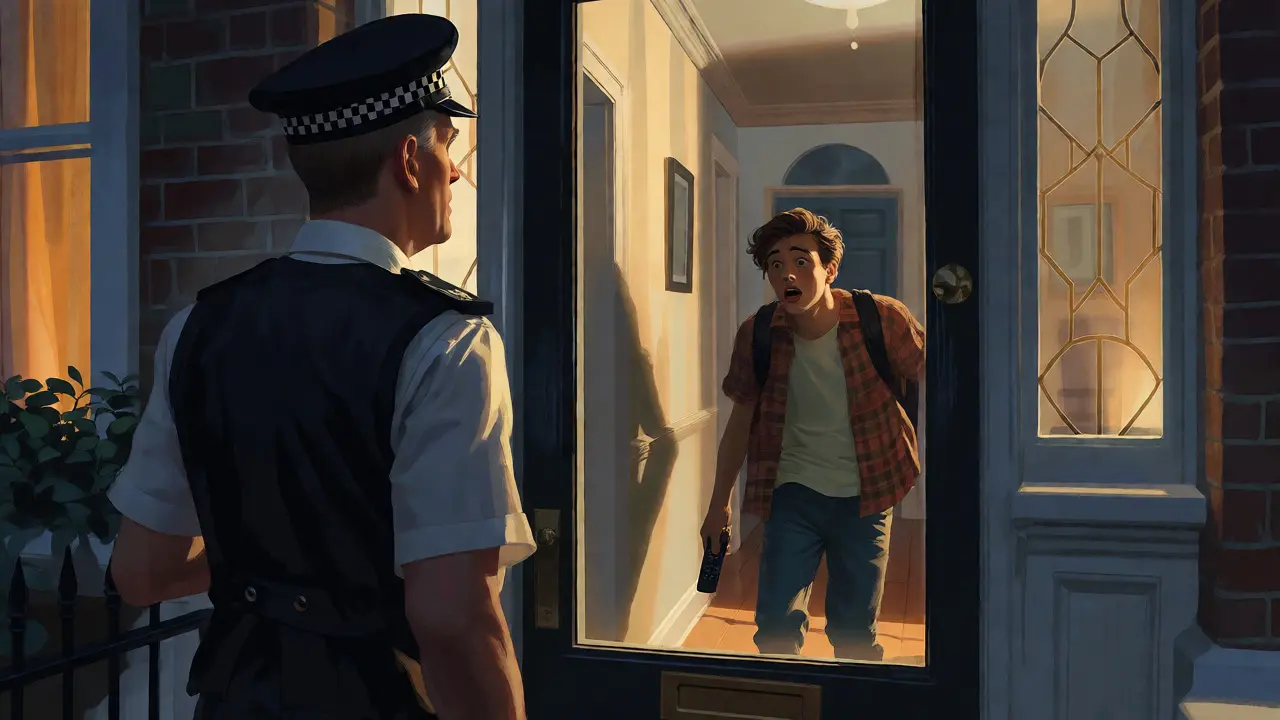
TV Licensing uses automated cameras and data analysis to spot potential unlicensed households. They send warning letters first. Ignoring them is risky. If they suspect you are watching without a licence, they may send an enforcement officer to your door.
Enforcement officers do not have automatic rights of entry. They cannot force their way in. However, if they see you watching TV through a window or if you let them in voluntarily, they can inspect your devices. If they find evidence of unlicensed viewing, they can prosecute you. The maximum fine is £1,000. In practice, fines are often lower, around £150-£200 plus court fees, but the hassle and stress are significant. Plus, a criminal conviction can affect future credit applications or background checks.
Smart Tips to Stay Compliant
Keep it simple. Here is a checklist to ensure you stay legal:
- Audit Your Viewing: Ask yourself, "Did I watch live TV or BBC iPlayer in the last 12 months?" If yes, you need a licence.
- Read Your Contract: Determine if you have a joint tenancy or individual room license.
- Communicate with Housemates: Agree on who buys the licence and how you split the cost. Put it in writing.
- Update Details Immediately: When you move, update your address within 14 days.
- Use Alternatives: If you hate the cost, switch to non-BBC streaming services only. Watch out for accidental clicks on BBC links.
Students often try to game the system by claiming they only watch YouTube. Be honest. If you watch a live news event on BBC News via YouTube, that counts. If you watch a pre-recorded vlog, it doesn’t. The line is blurry, so err on the side of caution.
Do I need a TV licence if I only watch Netflix?
No, you do not need a TV licence if you exclusively watch on-demand services like Netflix, Amazon Prime Video, Disney+, or YouTube (non-live). The requirement is triggered only by watching live TV broadcasts or using BBC iPlayer.
Does my university cover my TV licence in private housing?
Generally, no. University blanket licences typically cover only university-owned halls of residence. Once you move into privately rented accommodation, you become responsible for obtaining your own licence based on your specific tenancy agreement.
Can I share a TV licence with my housemates?
Yes, if you live in a single household with a joint tenancy agreement. One licence covers the entire property. If you have individual room contracts, each self-contained unit usually requires its own separate licence.
What happens if I forget to cancel my licence when I move out?
You will continue to receive bills for the old address. You should contact TV Licensing to inform them you have moved and provide your new address. They can then transfer the remaining balance or close the account. Ignoring it leads to unnecessary debt.
Is watching TV on my phone covered by the same rules?
Yes. The device does not matter. Whether you use a smartphone, tablet, laptop, or smart fridge, if you watch live TV or BBC iPlayer, you need a licence. The law focuses on the act of viewing, not the hardware used.