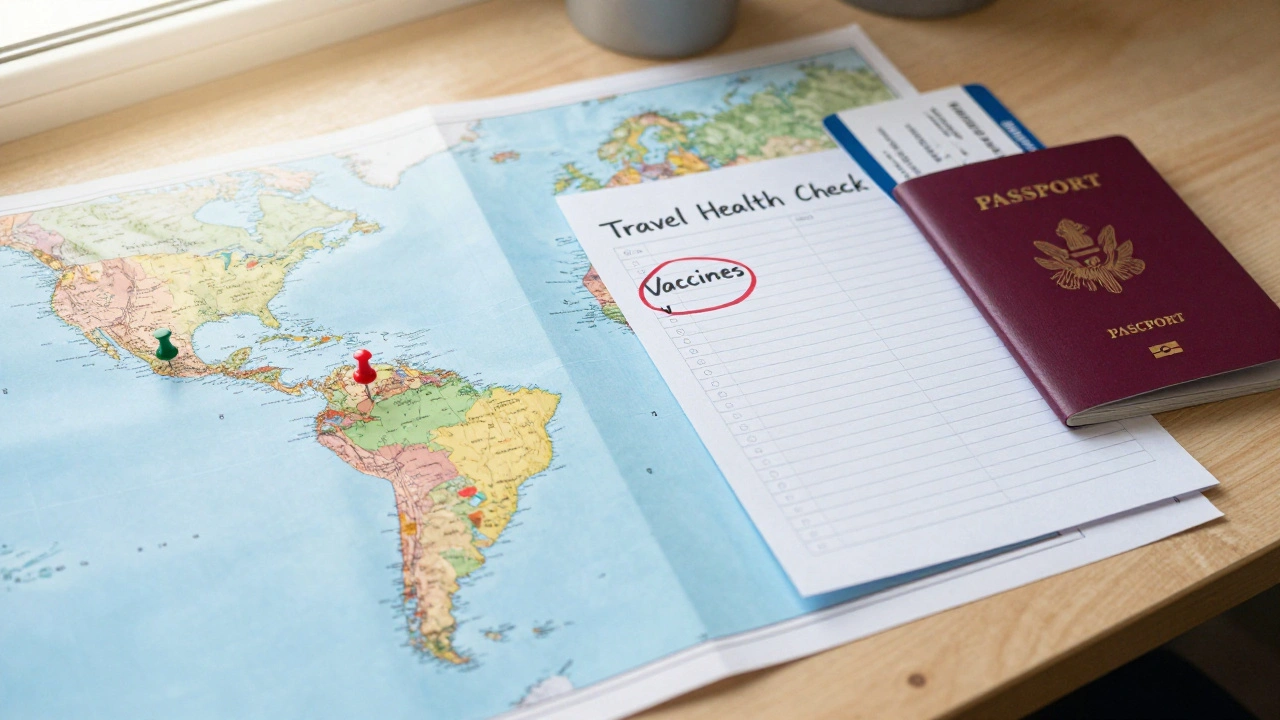
Quick Guide: What You Need to Know
- Start planning at least 8 weeks before you fly.
- Check if your GP offers travel services or if you need a private clinic.
- Some vaccines require multiple doses over several months.
- Budget for costs if you aren't eligible for free NHS shots.
- Carry a physical or digital copy of your vaccination record.
Mapping Your Medical Needs
Not every trip requires the same level of protection. If you are heading to Spain or France, you likely just need to be up to date on your standard boosters. But if you are heading to a region with different endemic diseases, you need a specific strategy. Travel Vaccines is a set of immunizations designed to protect travelers from diseases that are not common in their home country but are prevalent in their destination.
Your requirements usually fall into three buckets. First, there are the routine shots, like Tetanus, which most UK students had as kids but might need a booster for. Second, there are common travel shots, such as Hepatitis A, which is spread through contaminated food and water. Third, there are high-risk vaccines like Yellow Fever, which is mandatory for entry into several African and South American nations. If you arrive at a border without a Yellow Fever certificate, you could be denied entry or quarantined immediately.
Who Pays for the Jabs?
This is where most students get confused. In the UK, the NHS (National Health Service) provides some vaccines for free, but not all of them. The rule of thumb is that if a vaccine is considered a "routine" part of UK public health, it is free. However, many travel-specific vaccines are classified as "private," meaning you have to pay out of pocket.
For example, Hepatitis A is often free for certain high-risk groups or in specific circumstances, but others may have to pay. Typhoid and Japanese Encephalitis are almost always private. If you are a student on a tight budget, don't assume everything is covered. Some universities have partnerships with health providers, or they might provide a list of recommended clinics that offer student discounts. It is also worth checking if your travel insurance covers the cost of preventative vaccinations, though this is rare for standard policies.
| Vaccine | NHS Status | Estimated Private Cost (Per Dose) | Typical Schedule |
|---|---|---|---|
| Hepatitis A | Mixed/Free | £60 - £100 | 1-2 doses |
| Typhoid | Private | £50 - £90 | 1-3 doses |
| Yellow Fever | Private | £150 - £250 | 1 dose (lasts 10 years) |
| Rabies | Private | £100 - £150 | 3 doses |
| Japanese Encephalitis | Private | £150 - £200 | 2 doses |
Timing Your Appointments
You cannot just walk into a clinic a week before your flight and expect to be fully protected. Some vaccines take weeks to become effective, and others require a series of doses spaced out over months. For instance, the Rabies series involves multiple visits. If you wait until the last minute, you might be flying with a partial course of vaccines, leaving you vulnerable.
The ideal timeline starts 8 to 12 weeks before departure. This gives you time to have your initial consultation, receive the first dose, and schedule any follow-ups. If you are traveling to a high-risk area, you should also discuss Malaria prophylaxis. While not a vaccine, these preventative medications are crucial. Depending on the region, you might take pills daily, weekly, or once a month. These are often available via a prescription from your GP or a travel clinic and have their own set of costs and side effects to consider.

Choosing Between a GP and a Private Clinic
Your first stop should always be your GP. Why? Because they have your full medical history. They know if you have allergies to certain components of a vaccine or if you have a medical condition that makes a live vaccine dangerous. However, many GPs in the UK are currently overwhelmed and may not actually stock travel vaccines. In those cases, they will refer you to a Travel Clinic.
Private travel clinics are specialists. They have more comprehensive stock and are often more up-to-date on the specific health requirements of niche destinations. The trade-off is the cost. Not only do you pay for the vaccine, but you often pay a consultation fee just to sit down with the nurse or doctor. To save money, be prepared for your appointment. Bring a list of exactly where you are going, including rural areas or remote villages, as requirements for a capital city like Bangkok are different from those for a jungle trek in Northern Thailand.
The Paperwork Problem
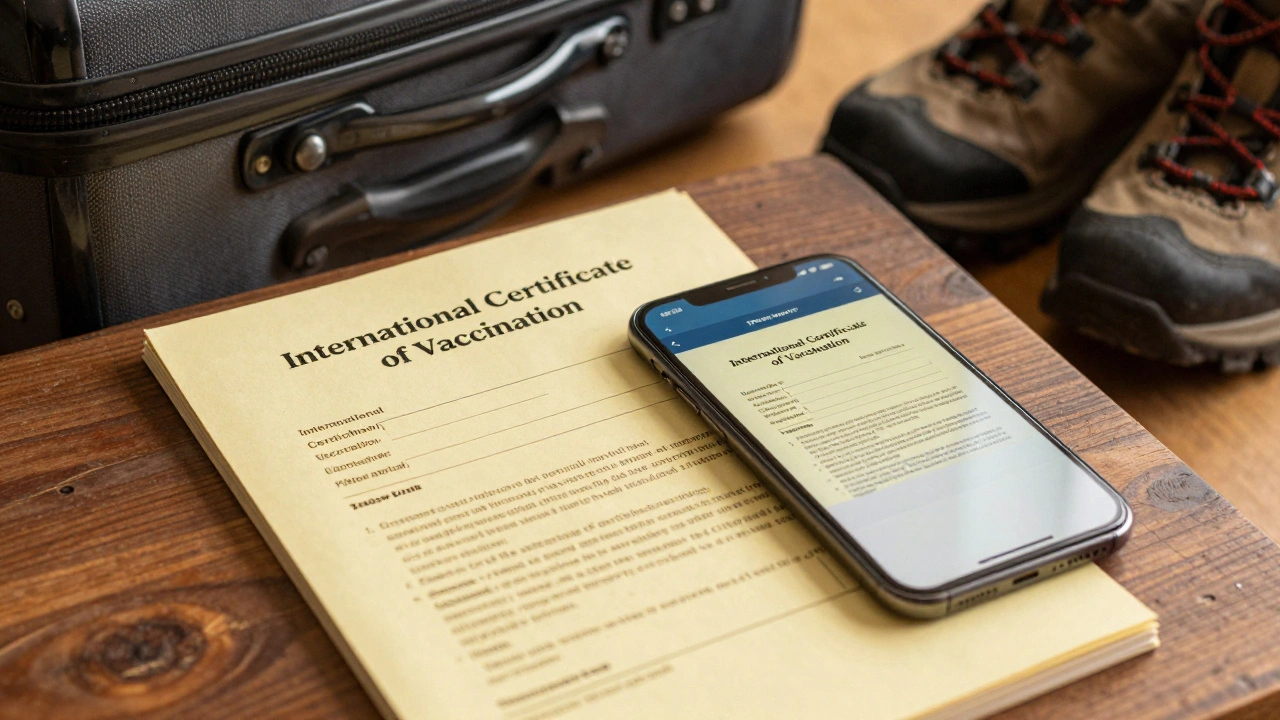
Once you have the jabs, you need the proof. The International Certificate of Vaccination or Prophylaxis (ICVP), often called the "Yellow Book," is the gold standard. For some vaccines, like Yellow Fever, this yellow card is a legal document. If you lose it, you might be forced to get the vaccine again at the airport or face entry delays.
Don't rely solely on a physical book. Take a high-resolution photo of every page and upload it to a secure cloud drive or email it to yourself. If your bag is stolen or lost, you can show the digital copy to health officials. Additionally, ensure your university's health office has a copy of your records if you are enrolling in a program that requires health screenings. Many US or Australian universities, for example, have very strict immunization requirements for visiting UK students.
Common Pitfalls to Avoid
One big mistake students make is relying on "herd immunity" or thinking that because they are only staying for a month, they are safe. Tropical diseases don't care about your itinerary. Another common error is ignoring the "booster" dose. Some vaccines require a second shot six months after the first to provide long-term immunity. If you forget that second dose, your protection might fade long before you finish your degree.
Also, be wary of buying vaccines from unofficial sources online. Only use registered clinics. A counterfeit or improperly stored vaccine (one that wasn't kept at the correct temperature) is useless. Check that the clinic is registered with the Care Quality Commission (CQC) in the UK to ensure they meet national safety standards.
Do I really need travel vaccines for a short 2-week placement?
Yes. Many diseases, like Hepatitis A or Typhoid, can be contracted from a single contaminated meal or drink. The duration of your stay doesn't change the risk of exposure, only the likelihood. Always consult a professional based on the specific region you are visiting.
Can I get all my travel vaccines for free on the NHS?
Not all of them. While some are free, many travel-specific vaccines (like Japanese Encephalitis or Rabies) are private and require payment. Your GP can tell you which ones are covered for your specific circumstances.
What happens if I have an allergic reaction to a vaccine?
Clinics are equipped to handle immediate reactions, which is why you should always tell the nurse if you have a history of allergies. For delayed reactions, they will provide a guidance sheet on what to watch for and who to contact.
How do I find the cheapest travel clinic in my city?
Compare prices between your GP (if they offer the service), high-street pharmacies, and specialized travel clinics. Some pharmacies offer competitive bundles. Always ask for a full price list before the consultation begins.
Is a Yellow Fever certificate always required?
It depends on the country. Some countries require it only if you are arriving from a country where Yellow Fever is endemic. Others require it for everyone. Check the official government travel advice for your specific destination.
Next Steps for Your Trip
If you are still in the planning phase, your first move is to check the FCDO (Foreign, Commonwealth & Development Office) travel advice for your destination. This will give you a baseline of the health risks involved. Once you have that, book a double appointment with your GP to discuss your needs. If you are on a budget, start a "health fund" now, as the total cost for a high-risk destination can easily exceed £300.
For those already vaccinated, double-check your expiration dates. Some boosters expire every 10 years, and others sooner. Ensure your travel insurance is active and that you have a first-aid kit with basic medications, such as rehydration salts and a broad-spectrum antibiotic if recommended by your doctor.