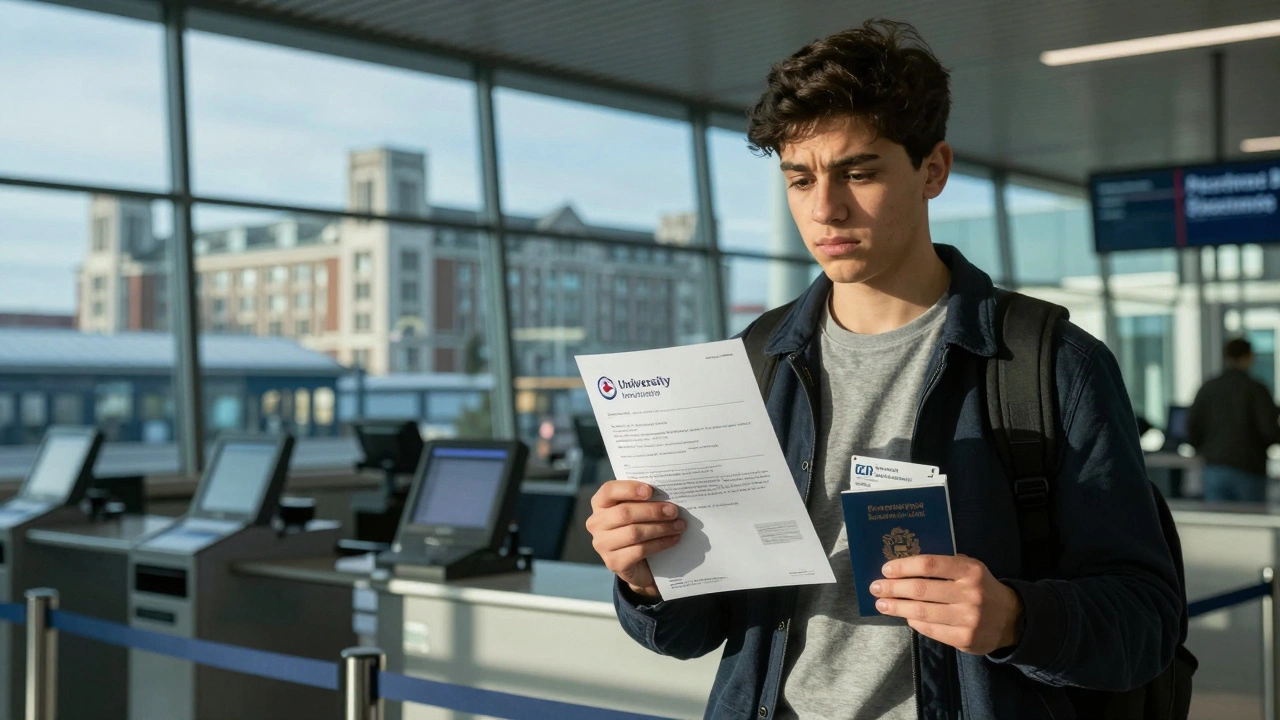
Going home for the holidays as an international student in the UK sounds simple-pack your bags, book a flight, and enjoy time with family. But if you’re on a student visa, it’s not that easy. One wrong step could mean being denied re-entry, missing classes, or even risking your visa status. You don’t need a lawyer to figure this out. You just need to know the rules before you leave.
Check Your Visa Conditions First
Your student visa isn’t just a stamp in your passport-it’s a set of rules. The most important one for travelers: you must be enrolled in a course that lasts longer than six months. If your course ends before your visa expires, you can’t come back after a trip home. That’s a common mistake. Students think their visa is valid, so they assume they can return. But your visa only lets you stay if you’re actively studying.
Also, check if your visa has any travel restrictions. Most student visas under the Student Route allow multiple entries, but if you’re on a short-term study visa (under six months), you can’t leave and come back. You’ll need to apply for a new visa if you want to return.
Make Sure Your Visa Is Still Valid
Your visa might still be valid on paper, but if your course has ended-even if your visa date hasn’t expired-you’re no longer allowed to re-enter as a student. UK Border Force checks your enrollment status when you arrive. They don’t just look at your visa stamp. They check your university’s records through the Home Office’s system.
If your course ends in June and you plan to go home in December, you’re already out of status. You can’t return as a student. You’d need a new visa type-like a Visitor Visa-just to go back for a short trip. But even then, you can’t study or work. And if you try to enter as a student when you’re not enrolled, you’ll be turned away.
Get a Letter from Your University
Before you leave, ask your university’s international office for a letter confirming your enrollment. This isn’t optional-it’s essential. The letter should include:
- Your full name and student ID
- Your course name and start/end dates
- Confirmation that you’re expected to return for the next term
- The university’s official stamp and contact details
Border officers don’t always ask for this, but if they do, having it ready saves hours of questioning. Some students have been held at airports for hours because they didn’t have proof they were still enrolled. Keep a printed copy and a digital backup on your phone.
Don’t Overstay Your Welcome
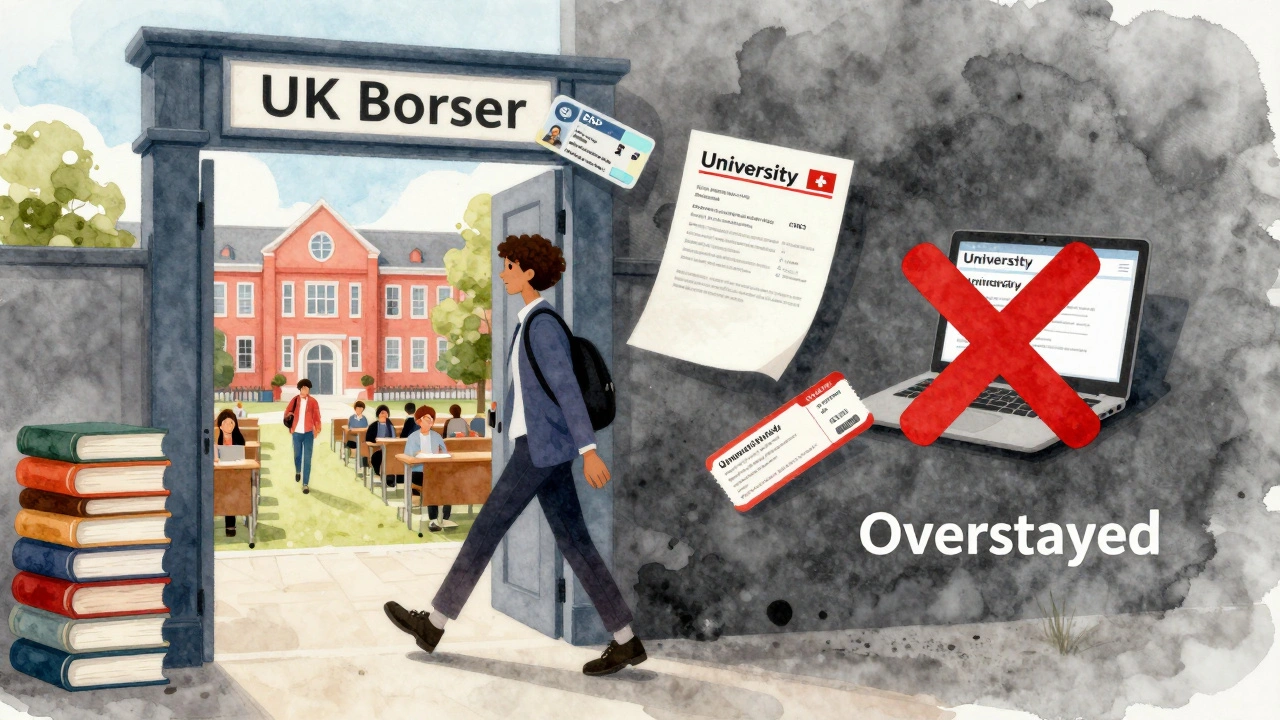
There’s no official limit on how long you can stay home during breaks, but you need to be back before your next term starts. Most universities require you to return within a few days of the term restart date. If you’re late, you risk being marked as absent, which can trigger attendance warnings-or worse, a report to the Home Office.
Some students think they can stretch their break into a full month, especially if exams are later. But if your term starts on January 6 and you don’t return until January 20, your university might report you as non-attending. That can lead to your visa being canceled. Even if you’re not caught right away, it shows up in your record. And if you apply for a visa extension later, they’ll see it.
What About Visa Renewal?
If your current visa is about to expire and you’re still studying, you can apply to extend it from inside the UK. But you can’t apply from home. You must be physically in the UK when you submit your application. If you leave before applying, you’ll have to wait outside the UK until your new visa is approved-and that can take months.
Plan ahead. If your visa expires in April and your course ends in July, apply to extend at least 3 months before your visa runs out. Don’t wait until the last week. Processing times vary, and delays happen. If you’re already home when your visa expires, you can’t apply for a new one until you’re back in the UK.
Bring Your Biometric Residence Permit (BRP)
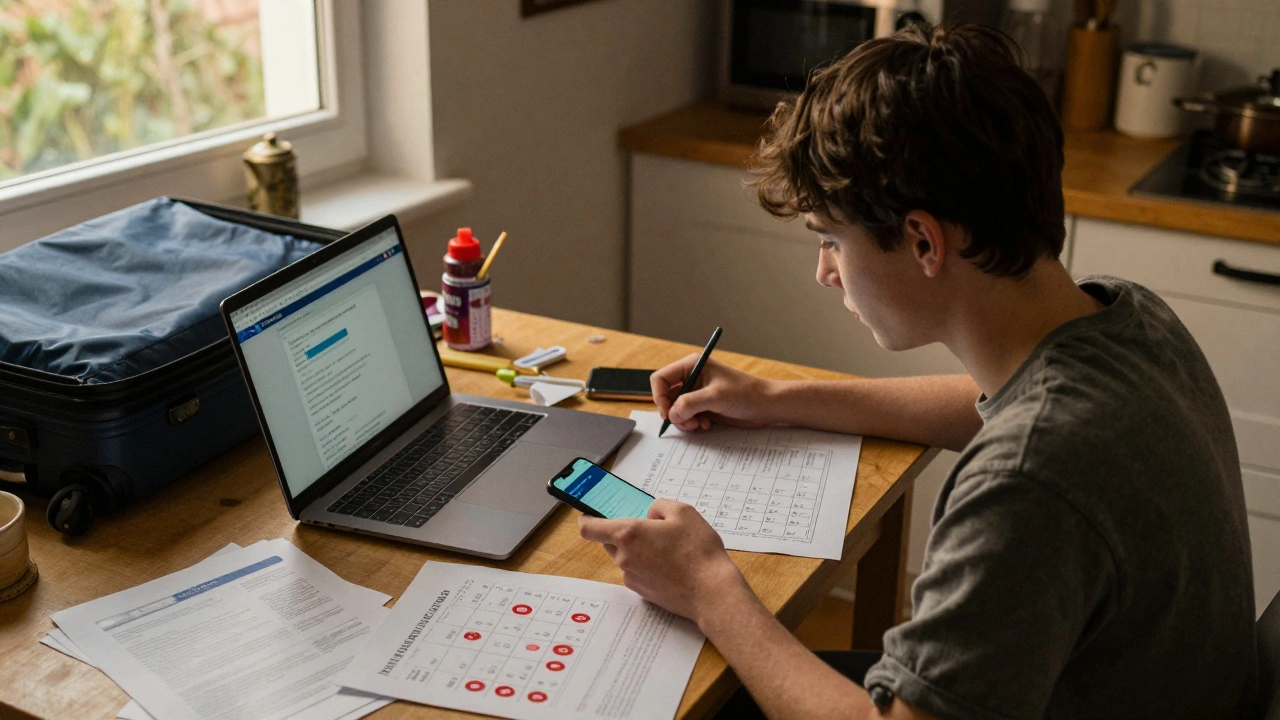
If you have a Biometric Residence Permit (BRP)-a plastic card that shows your visa status-you must take it with you. You can’t re-enter the UK without it. If you leave it behind, you’ll be stopped at the border. Even if your visa is in your passport, the BRP is the official document UK officials use to verify your status.
Some students think they can just show their passport and visa approval email. That’s not enough. The BRP is required. If you lose it, you’ll need to report it lost, pay a fee, and apply for a replacement-which you can’t do from abroad. You’ll have to wait until you’re back in the UK to fix it, and you won’t be allowed to re-enter until you have it.
Watch Out for Entry Questions
When you return to the UK, border officers might ask you why you were away, how long you stayed, and what you plan to do next. Be honest. Don’t say you were on vacation if you were working illegally. Don’t say you’re just visiting if you’re coming back to study. They have access to your enrollment records, flight history, and previous entries.
Common mistakes: saying you were “traveling” when you were actually working abroad, or claiming you were “on holiday” while your course was still active. If you were working remotely for a company outside the UK, you still need to declare it. Student visas don’t allow paid work outside the UK unless it’s part of your course.
What If You Can’t Return on Time?
Life happens. A family emergency, a flight cancellation, or a medical issue might delay your return. If you know you’ll be late, contact your university immediately. Most universities have a process for reporting absences due to unforeseen circumstances. They can send a letter to the Home Office explaining the delay.
Don’t wait. If you miss your return date by more than a week without communication, your university may report you as having withdrawn. That’s a visa violation. Even if you’re just one day late, it’s better to call your student services office and explain. They’ve seen it before. They’ll help you document it properly.
Don’t Mix Work and Travel
Many students think they can work while visiting home. You can’t. Student visas only allow limited work in the UK. Working abroad-even remotely for a UK-based employer-is not permitted unless your course specifically includes it. If you’re caught, you could be banned from returning to the UK for years.
Even if you’re freelancing online, doing unpaid internships, or helping a family business abroad, it can count as work. Border officers don’t care if you were “just helping out.” If they find evidence of income or employment, they’ll question your visa status.
Plan Ahead, Always
The best way to avoid problems? Plan every trip like it’s your last chance to get back in. Double-check your visa expiry date. Confirm your course end date. Get your university letter. Bring your BRP. Don’t assume anything. Don’t rely on what a friend did last year. Rules change. Universities change. Your situation changes.
Set a reminder on your phone 6 weeks before your break: check visa status, email international office, print documents, pack BRP. Do it before you book your flight. That’s the difference between a smooth holiday and a nightmare at Heathrow.
What Happens If You Get Denied Entry?
If you’re turned away at the border, you’ll be put on the next flight home. You won’t get a chance to call your university or explain. Your visa might be canceled on the spot. You’ll be flagged in the UK system. Getting back in later will be harder.
Some students try to reapply as tourists. That’s risky. If you’ve been denied entry as a student before, border officers will remember. They’ll assume you’re trying to live in the UK without the right visa. Your tourist visa application will likely be denied too.
If this happens, you’ll need to apply for a new student visa from your home country. That means proving you still have a valid offer from a UK university, showing you have enough money, and proving you’ll leave after your studies. It’s not impossible-but it’s stressful, expensive, and takes months.
Final Checklist Before You Fly
- Is your visa still valid and tied to an active course?
- Do you have your Biometric Residence Permit (BRP)?
- Do you have a signed letter from your university confirming your enrollment?
- Do you know your course’s return date? Are you planning to be back before it?
- Have you checked if your flight arrives before your university’s deadline for re-enrollment?
- Have you avoided any paid work while abroad?
- Do you have a digital and printed copy of all documents?
If you can answer yes to all of these, you’re good to go. If even one is no, stop. Fix it before you leave.
What If You Want to Stay Longer?
If you’re thinking of staying home longer than your break allows, consider your options before you leave. You can’t extend your student visa from abroad. But you might be eligible for a different visa:
- Visitor Visa: Lets you stay up to 6 months, but you can’t study or work.
- Graduate Visa: If you’ve completed your degree, you can apply for this from inside the UK. It lets you stay for 2 years (or 3 for PhD grads) to work or look for a job.
- Skilled Worker Visa: If you have a job offer from a UK employer, you can switch to this visa.
But none of these let you return to study. If you want to continue your education, you’ll need to reapply as a new student. That means a new offer, new visa, new fees.
Can I travel home during my summer break if my visa expires in August?
Yes, but only if your course is still active and you return before your visa expires. If your course ends in July and your visa expires in August, you’re no longer eligible to re-enter as a student. You’d need a new visa to return. Always confirm your course end date with your university before booking travel.
Do I need to show my visa every time I enter the UK?
No. If you have a Biometric Residence Permit (BRP), that’s your official visa document. Border officers scan your BRP. If you don’t have a BRP, your visa will be electronic, and they’ll check it using your passport number. But you must always carry your passport and BRP together when traveling.
What if I lose my BRP while I’m home?
You cannot re-enter the UK without it. You must report it lost to the UK Home Office and apply for a replacement from inside the UK. That means you’ll need to wait until you’re back in the country to get a new one. Plan ahead-never leave your BRP behind.
Can I work remotely for a UK company while visiting home?
No. Your student visa only allows you to work in the UK. Remote work for a UK employer while abroad is considered a breach of your visa conditions. Even if you’re not paid in cash-like doing freelance design or tutoring online-it still counts. You could face visa cancellation if caught.
How early should I apply to extend my student visa?
Apply at least 3 months before your current visa expires. Processing can take 8-12 weeks. You must be in the UK when you apply. If you leave before submitting your application, you’ll need to reapply from your home country, which can delay your return by months.
Next Steps
If you’re planning to travel, start today. Don’t wait until the day before your flight. Contact your university’s international office. Ask them to confirm your enrollment status. Print your BRP details. Book your return flight with a buffer-don’t aim for the last day. And if anything feels uncertain, ask again. It’s better to be safe than stuck.