
It’s 11 PM on a Tuesday. You’ve got an essay due in three days, a seminar tomorrow morning, and you haven’t eaten since lunch. Sound familiar? If you’re studying in the UK, this scenario is painfully common. The difference between surviving your degree and actually enjoying it often comes down to one thing: how you handle your time.
The UK higher education system has unique rhythms. With intensive terms, heavy reading lists, and independent learning expectations, falling behind can happen fast. But here’s the good news-you don’t need more hours in the day. You just need a schedule that works with your life, not against it.
Why Time Management Matters More in the UK System
When you’re at a Russell Group university or any major institution like Manchester, Edinburgh, or Birmingham, the workload isn’t just heavy-it’s front-loaded. Reading lists arrive before lectures even start. Tutorials expect you to have formed opinions, not just absorbed facts. Without structure, it’s easy to feel overwhelmed within the first month.
The problem isn’t lack of ability. It’s lack of systems. Most students wing it until deadlines loom, then panic-study for 48 hours straight. That approach might get you through once, but it burns you out by finals week.
Mapping Your Academic Calendar
Before you can manage time, you need to see it. Start by pulling together every commitment that matters:
- Lecture schedules (check if they’re recorded or mandatory)
- Seminar/tutorial dates-these usually require preparation
- Assessment deadlines (essays, reports, presentations)
- Exam periods (usually January and May/June)
- Societies, part-time work, and personal commitments
Use a digital calendar like Google Calendar or Outlook. Color-code everything: blue for classes, red for deadlines, green for social time. Seeing it visually helps you spot busy weeks before they hit.
Pro tip: Block out “fake” deadlines for big assignments. If your essay is due March 15, set a reminder for March 10 to finish drafting. This buffer saves you from last-minute disasters when tech fails or inspiration dries up.
The Power of Weekly Planning Sessions
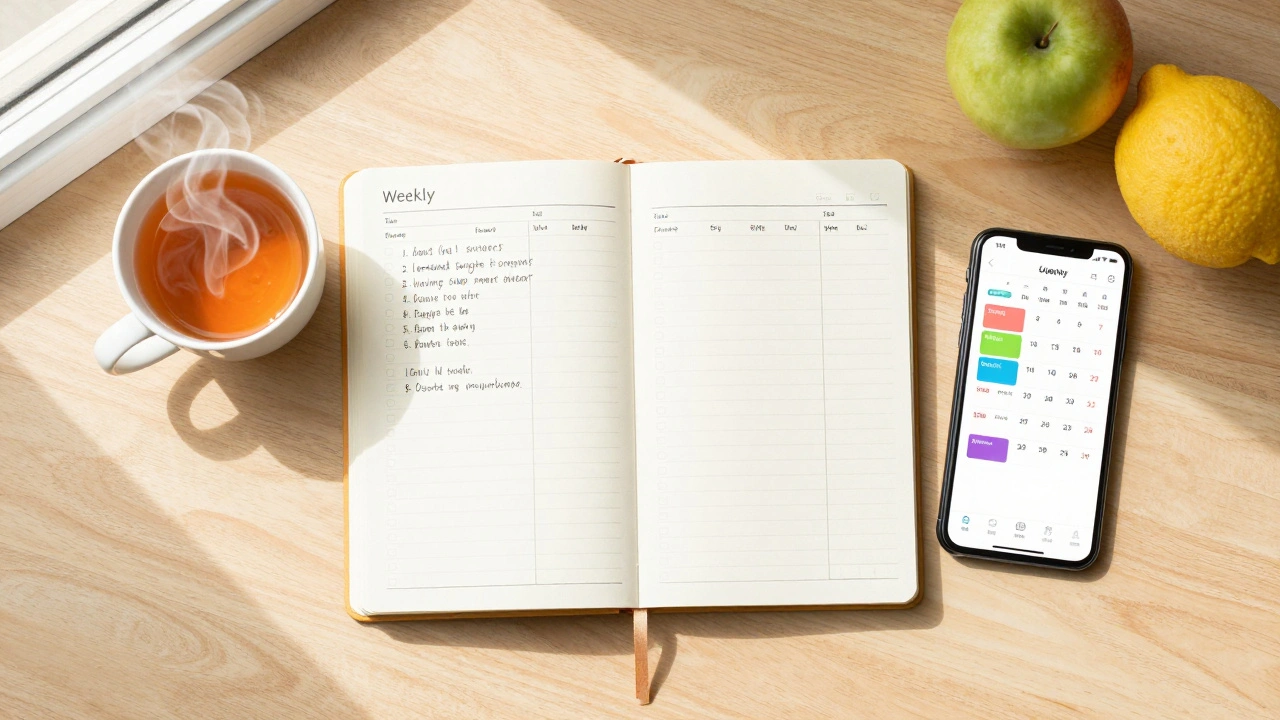
Daily to-do lists often fail because they don’t account for reality. Instead, try weekly planning. Every Sunday evening (or Monday morning), spend 20 minutes reviewing the week ahead.
- Check your calendar for fixed events
- List all tasks due that week
- Break large tasks into smaller steps
- Schedule specific times for each step
- Leave gaps for rest and unexpected delays
This method works because it forces you to think realistically about capacity. You won’t cram five hours of study into a day that already has lectures, dinner plans, and laundry.
If something falls through, adjust next week-not mid-crisis. Flexibility beats rigidity every time.
Prioritizing Smart, Not Hard
Not all tasks deserve equal attention. Use the Eisenhower Matrix to sort your workload:
| Quadrant | Description | Action | Example |
|---|---|---|---|
| Urgent & Important | Crisis-level tasks | Do now | Essay due tomorrow |
| Important, Not Urgent | Long-term goals | Schedule | Research for project due in 3 weeks |
| Urgent, Not Important | Distractions disguised as work | Delegate or minimize | Answering non-urgent emails |
| Neither | Time wasters | Eliminate | Scrolling social media during study blocks |
Most students spend too much time in Quadrant 1 (crisis mode) or Quadrant 3 (busywork). Shift focus to Quadrant 2-that’s where real progress happens. Schedule deep work sessions for complex tasks when your energy is highest.
Beating Procrastination Without Willpower
Willpower is overrated. Relying on motivation leads to failure because motivation fluctuates. Systems beat willpower every time.
Try the Pomodoro Technique: study for 25 minutes, break for 5. After four cycles, take a longer break. This method tricks your brain into starting because 25 minutes feels manageable. Once you begin, momentum carries you forward.
Another trick: the two-minute rule. If a task takes less than two minutes, do it immediately. Replying to a group chat message? Done. Filing a document? Now. Small wins build confidence and clear mental clutter.
For bigger tasks, use implementation intentions: “If [situation], then I will [action].” Example: “If it’s 9 AM on Wednesday, then I’ll open my laptop and write 300 words.” Specificity removes decision fatigue.
Managing Energy, Not Just Time
You can schedule perfectly and still burn out if you ignore your body. Sleep, nutrition, and movement directly impact cognitive performance.
Research from the University of Oxford shows that students who sleep 7-9 hours perform better on memory tests than those who pull all-nighters. Sacrificing sleep for study time is counterproductive-it reduces retention and increases errors.
Plan meals around study blocks. Keep healthy snacks handy. Take walks between sessions to reset your mind. Even ten minutes outside improves focus.
Social time isn’t wasted time. Talking with friends, joining clubs, or attending events recharges emotional batteries. Isolation breeds stress; connection builds resilience.

Tools That Actually Help
Tech should simplify, not complicate. Here are proven tools used by top-performing students:
- Notion: All-in-one workspace for notes, calendars, and project tracking
- Trello: Visual board for breaking down assignments into cards
- Forest App: Gamifies focus by growing virtual trees while you study
- Google Calendar: Syncs across devices, sends reminders, integrates with other apps
- Zotero: Manages research sources and citations automatically
Don’t jump between five apps. Pick one planner, one note-taker, and one distraction blocker. Consistency matters more than features.
Handling Setbacks Gracefully
Even the best plans fall apart sometimes. Illness, family emergencies, or unexpected coursework changes can derail your schedule. That’s normal.
When things go wrong, pause. Breathe. Then ask: What’s the minimum viable action right now? Maybe it’s emailing your tutor for an extension. Or focusing only on the most critical assignment. Perfectionism kills productivity. Progress does the opposite.
Review what went wrong without judgment. Was the plan unrealistic? Did you underestimate a task? Adjust accordingly. Resilience comes from adapting, not avoiding mistakes.
Building Habits That Last Beyond Term Time
Good time management isn’t just about passing exams-it’s about building lifelong skills. Employers value candidates who meet deadlines, communicate proactively, and balance multiple priorities.
Start small. Commit to one new habit per month. Week One: Plan your week every Sunday. Week Two: Use Pomodoro timers for study sessions. Week Three: Review progress monthly. Gradual change sticks better than overnight transformations.
Track your wins. Celebrate finishing a paper early. Acknowledge sticking to your schedule despite distractions. Positive reinforcement strengthens behavior.
How many hours should UK university students study per week?
Aim for 15-20 hours of independent study per week alongside lectures. This varies by course intensity-medicine and law may require more, while arts degrees might need slightly less. Quality matters more than quantity; focused 2-hour blocks beat distracted 6-hour marathons.
What’s the best way to organize lecture notes and readings?
Use a consistent folder system digitally or physically. Create folders by module, then subfolders for lectures, readings, and assessments. Name files clearly (e.g., “Week3_lecture_notes.pdf”). Tools like Zotero help link sources to notes automatically.
Can I really catch up if I’m already behind?
Yes, but triage ruthlessly. Identify which assignments carry the most weight. Focus energy there first. Communicate with tutors early-they’d rather help than penalize. Break recovery into daily chunks instead of trying to fix everything at once.
Should I join societies if I’m struggling with time?
Join selectively. One society meeting per week can reduce stress and build networks. Avoid overcommitting to leadership roles during exam periods. Balance academic load with social needs-both matter for long-term success.
How do I stay motivated during long reading lists?
Skim strategically. Read abstracts, introductions, and conclusions first. Highlight key arguments rather than memorizing details. Summarize each source in 3-5 sentences. Active engagement beats passive consumption-and saves hours.