Water Meters UK Student Housing: How They Work and How to Save
When you rent student housing in the UK, your water meter, a device that measures how much water your household uses. Also known as water usage meter, it’s the difference between paying a flat fee and paying for what you actually use. In many shared houses and university accommodations, landlords install these meters to split water costs fairly among tenants. But here’s the thing—most students don’t know how they work, who’s responsible, or how to use them to save money.
Water meters in UK student housing are tied to your utility bills, the combined costs for gas, electricity, and water that you pay monthly. If your home has a meter, your bill goes up when you shower longer, run the dishwasher more, or leave taps running. But if your place has an unmetered supply, you pay the same amount no matter how much water you waste. That’s why knowing if you’re on a meter matters. Some landlords charge a fixed water fee, others pass on the actual meter reading. And if you’re in a house with 6 people but only 2 of you are home most of the day? You could be paying for someone else’s habits.
It’s not just about the meter—it’s about shared accommodation water, how water costs are divided among housemates in rented housing. In many cases, the landlord gets one bill and splits it evenly. That’s fair only if everyone uses water the same way. But if one person takes two showers a day and another barely uses the bathroom, someone’s paying extra. Some student houses have smart meters that track usage per room, but those are rare. More often, you’re stuck with an agreement that’s either written in fine print or just spoken over tea.
And here’s what most students miss: you can ask for a meter to be installed—even if your landlord says no. If you’re in England or Wales and your home has three or more people, you have the legal right to request a water meter. The water company must install it for free. If your bill drops after that, you win. If it goes up? You can switch back within 12 months. That’s not common knowledge, but it’s in the Water Industry Act 1999. Scotland and Northern Ireland have different rules, so check your local provider.
Most of the posts you’ll find here are from students who’ve been there—people who got shocked by their water bill, figured out how to read their meter, or negotiated better terms with their landlord. You’ll see real examples: how one group saved £30 a month by timing showers, how another convinced their landlord to install low-flow showerheads, and how a student in Cardiff found out they were being overcharged because the meter was faulty. No fluff. Just what works.
You don’t need to be a plumber or a finance expert to understand water meters. You just need to know your rights, how to read a meter, and how to talk to your housemates about usage. The posts below cover everything from how to spot a broken meter to how to split the bill without starting a fight. Whether you’re in a flat in Manchester, a halls of residence in Glasgow, or a rented house in Bristol, this collection gives you the tools to stop overpaying and start saving.
Published on Nov 21
0 Comments
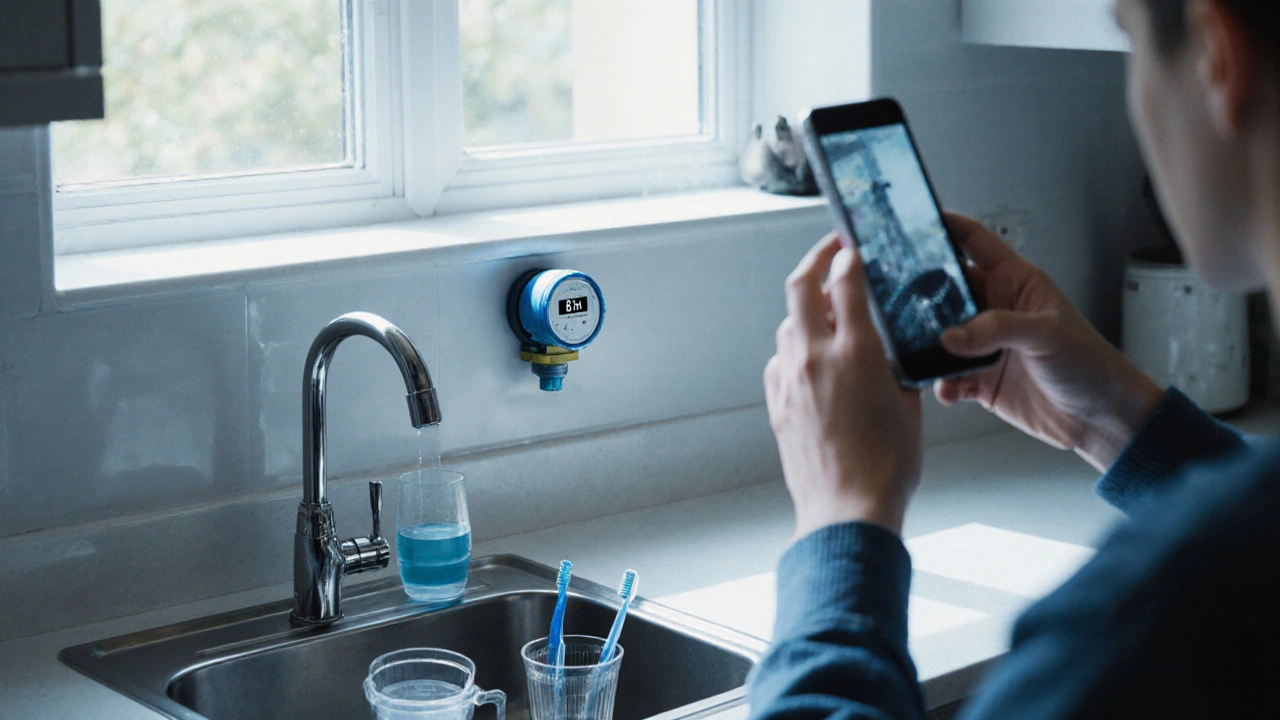
Water meters in UK student housing let you pay only for the water you use, not a flat rate. Learn how they work, what they cost, and how to save money on your bills as a student.